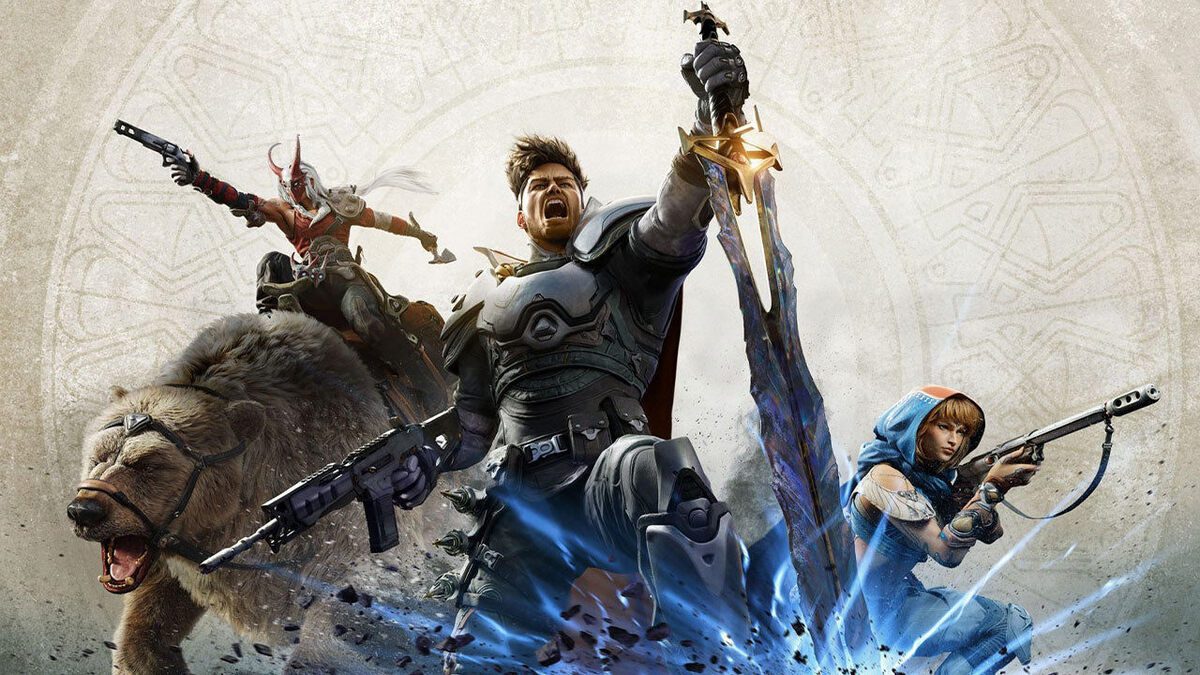
Highguard’s shutdown less than two months after launch has quickly become one of the most striking cautionary tales of the modern live‑service era. What makes this collapse so remarkable isn’t simply the speed of the failure, but the stage on which the game was introduced. As the final reveal of The Game Awards — a slot historically reserved for industry‑defining announcements — Highguard arrived with an aura of prestige that its studio was never structurally prepared to uphold. The project carried the weight of Tencent’s financial backing, but even that support appears to have been conditional and fragile. When the game launched on January 26, 2026, it immediately struggled to find its footing. Early Steam reviews highlighted technical instability, unclear design direction, and a lack of compelling identity. Within two weeks, the studio was downsized, and by early March, player counts had dwindled to near double digits. The announcement of its March 12 shutdown cemented its place as one of the fastest collapses ever for a title given such a prominent global spotlight.
Highguard’s trajectory suggests that the game was already in crisis long before players ever touched it. The Game Awards reveal, with its cinematic flair and dramatic positioning, created expectations that masked deeper issues — issues that became impossible to ignore once the game entered the hands of the public. The disconnect between the spectacle of its debut and the reality of its launch is now at the center of a broader industry conversation.
💬 A Community Asking How This Happened
The reaction across the gaming community has been a mixture of disbelief, frustration, and introspection. Many players expressed shock at how quickly the project unraveled, noting that even in an era where live‑service titles frequently struggle to maintain momentum, Highguard’s timeline was unusually abrupt. The speed of the shutdown raised immediate questions about the game’s internal state prior to release, and whether the team ever had the resources or stability to support a long‑term live‑service roadmap.
This led to a broader critique of The Game Awards’ curation process. The finale slot is traditionally seen as a stamp of confidence — a signal that the project being showcased is not only exciting, but also credible. Highguard’s collapse challenged that assumption. Players and analysts alike questioned how a game with such evident structural weaknesses earned the most coveted reveal position of the year. The skepticism wasn’t limited to the game itself; it extended to the ecosystem that elevated it.
At the same time, there was genuine sympathy for the developers caught in the fallout. The sudden withdrawal of funding, the rapid downsizing, and the abrupt shutdown all underscored the precariousness of mid‑tier studios operating under the shadow of large corporate backers. Highguard became another reminder of how quickly creative teams can be destabilized when financial support evaporates, and how little protection developers often have when projects fail to meet aggressive performance expectations.
🎤 What Highguard’s Failure Means for Geoff Keighley
For Geoff Keighley, Highguard’s collapse is more than an unfortunate footnote — it is a direct challenge to the credibility of the “World Premiere” brand that has become central to his shows. The Game Awards has built its identity around being a global stage for major reveals, a place where players expect to see the next big thing from the industry’s most trusted creators. When a finale reveal implodes this quickly, it forces a reevaluation of how those choices are made.
Keighley now faces the reality that spectacle alone is no longer enough. Audiences have become more discerning, more skeptical of cinematic trailers that lack gameplay substance, and more aware of the volatility of live‑service development. Highguard’s failure highlights the need for a more rigorous vetting process — one that considers not just the visual appeal of a trailer, but the maturity of the project, the stability of its funding, and the likelihood that it can sustain long‑term engagement.
This moment may push Keighley toward a more conservative approach to his biggest reveal slots. Historically, finales have gone to studios with proven track records — FromSoftware, Kojima Productions, major platform holders — whose projects carry built‑in trust and long‑term viability. Highguard’s collapse could signal a return to that philosophy, emphasizing established IP, gameplay‑first presentations, and titles with clear roadmaps already secured.
It also raises questions about the future of surprise multiplayer reveals at Keighley’s shows. Over the past few years, several live‑service titles have debuted with flashy trailers only to struggle or fail shortly after launch. With players increasingly wary of these pitches, Keighley may pivot toward narrative‑driven showcases and single‑player experiences that demonstrate their strengths more transparently. The era of cinematic‑only multiplayer reveals may be nearing its end.
🔮 A Turning Point for The Game Awards?
Highguard’s shutdown will be remembered less for the game itself and more for what it revealed about the ecosystem surrounding it. The Game Awards can amplify a project to global attention, but it cannot compensate for a shaky foundation. For Keighley, this is a moment of recalibration — a reminder that the prestige of his platform depends on the reliability of the projects he elevates. Highguard will likely become a case study in the risks of prioritizing spectacle over scrutiny, and a turning point in how the show approaches its most coveted reveal slots.
The collapse also serves as a broader reflection of the industry’s shifting landscape. Players are demanding more transparency, more authenticity, and more evidence that the games being promoted at major events are ready for the spotlight. Highguard’s failure may ultimately push The Game Awards toward a more grounded, gameplay‑centric philosophy — one that values substance over sizzle and long‑term credibility over short‑term hype.