Xbox’s newly revealed Project Helix and Satya Nadella’s reaffirmation of long‑term gaming investment paint a picture of a platform trying to reinvent itself — but the strategy risks leaning too far into a niche PC‑hybrid identity that could alienate the console loyalists who kept Xbox alive.
When Xbox unveiled Project Helix, the codename for its next‑generation console, the announcement landed with a mix of excitement and unease. According to Insider Gaming, new Xbox CEO Asha Sharma described Helix as a performance‑leading hybrid capable of playing both Xbox and PC games, signaling a future where the line between console and computer blurs more than ever before.
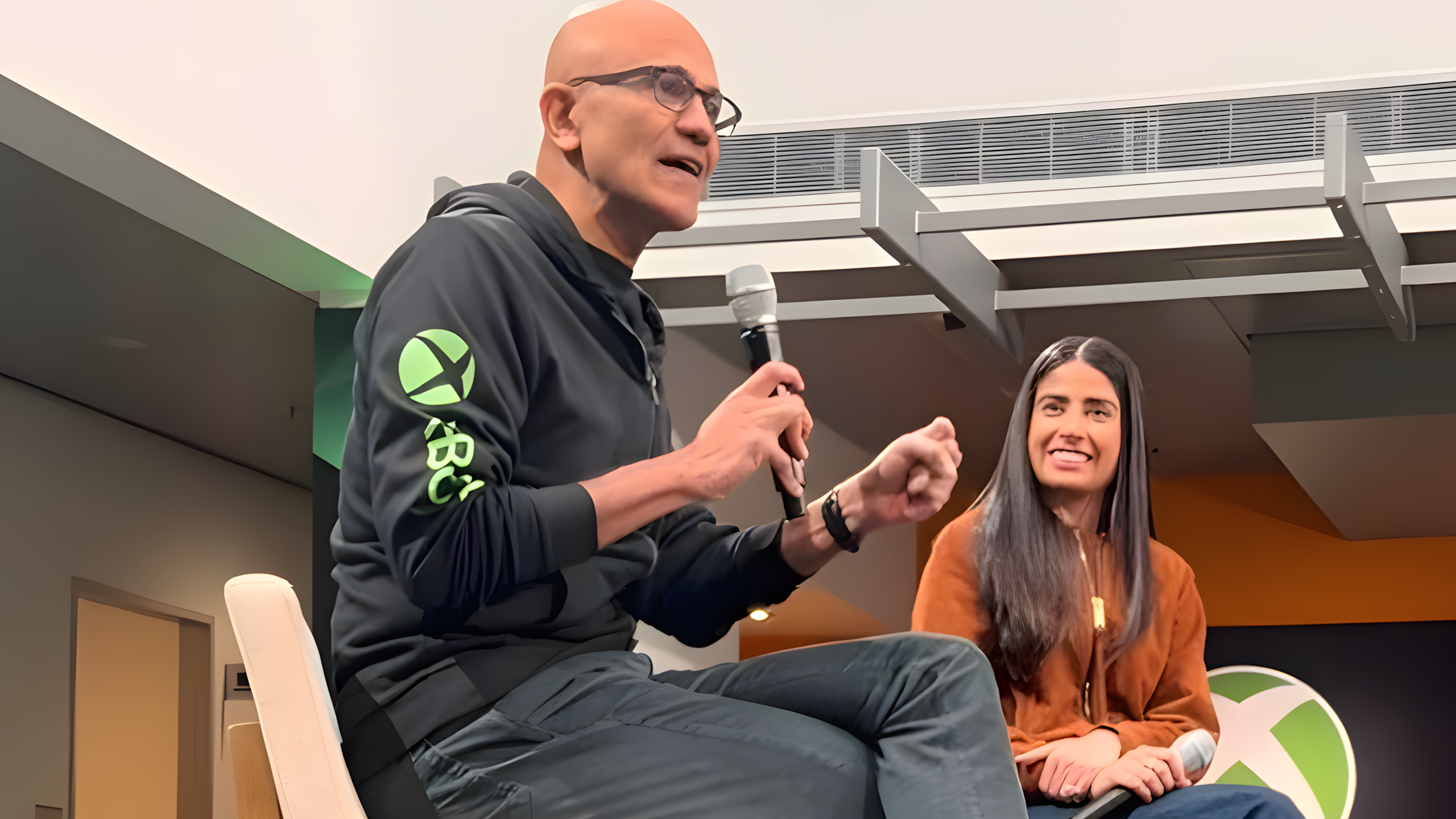
This vision arrives during a turbulent moment for the brand. Leadership changes, shifting strategies, and Microsoft’s increasing willingness to publish games on rival platforms have left fans questioning whether Xbox still believes in the console business at all. That anxiety was addressed directly days later when Microsoft CEO Satya Nadella insisted the company would “always invest” in gaming and remains “long on it,” emphasizing that Xbox’s mission is still rooted in why people love games in the first place.
But even with Nadella’s reassurance, the path forward is complicated — and Project Helix sits at the center of a strategic identity crisis.
A Hybrid Future… or a Niche Detour?
Sharma’s framing of Helix as a PC‑console hybrid reflects Microsoft’s long‑standing ambition to unify its gaming ecosystem. In theory, it’s a powerful pitch: one device, one library, one platform across form factors.
But in practice, this direction risks appealing to a disbalanced niche — players who want PC flexibility without the cost or complexity of a real PC. That audience exists, but it’s not the mass‑market foundation that sustained Xbox through the original, 360, and early One eras.
Meanwhile, the hybrid space is about to get more crowded. Insider Gaming notes that Valve’s upcoming Steam Machine is positioned to compete directly with Helix, offering a PC‑first experience backed by Steam’s massive library.
If Xbox leans too far into PC identity, it risks being out‑PC’d by the PC ecosystem itself.
Why Console Fans Still Matter
For all the talk of ecosystems, cloud, and platform expansion, the console audience remains Xbox’s emotional core. These are the players who:
- Buy hardware on day one
- Stay subscribed to services
- Build communities around exclusives
- Anchor the brand’s cultural identity
Sharma has already acknowledged fan concerns, responding publicly to pleas for more exclusives. But exclusivity is only part of the equation. Console fans want clarity — a sense that Xbox is still committed to delivering a traditional, plug‑and‑play, living‑room experience, not just a Windows‑branded gaming appliance.
If Helix becomes “a PC that looks like a console,” Xbox risks losing the very group that has stood by it through missteps, droughts, and strategic pivots.
The Real Challenge: Balance
Nadella’s comments highlight a desire to expand gaming’s reach without abandoning its roots. That balance is exactly what Xbox must strike:
- Innovate with hybrid features
- Compete with PC‑centric devices
- Reassure console loyalists
- Deliver emotionally resonant first‑party games
- Execute with consistency — something Xbox has struggled with for a decade
Project Helix could be the hardware that finally unifies Xbox’s ambitions. Or it could become another symbol of a brand stretched between identities.
The next year — especially Sharma’s messaging at GDC and the first concrete details about Helix’s design — will determine whether Xbox can expand its ecosystem without eroding the foundation that built it.
If Microsoft wants to grow, it must remember: you can’t scale a platform by shrinking its most loyal audience.