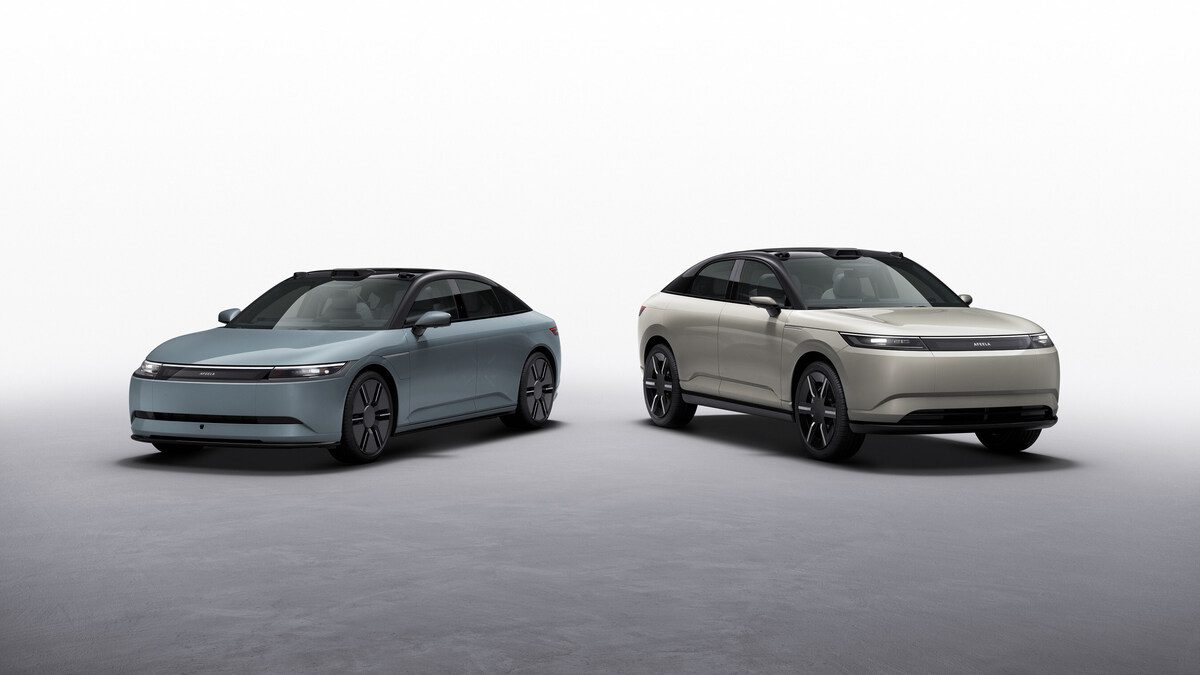
For a brief moment, the automotive and gaming worlds seemed aligned toward a future where the dashboard of a car could feel as familiar as a PlayStation home screen. That vision—embodied in Sony and Honda’s joint electric vehicle project, AFEELA—has now come to an abrupt halt. Sony Honda Mobility Inc. (SHM) confirmed that development of the AFEELA 1 and its planned successor has been cancelled, ending one of the most ambitious cross‑industry collaborations in recent memory.
The announcement lands with a thud, especially considering how promising the project looked just months ago. In late 2025, Sony and Honda were confidently projecting that AFEELA deliveries would begin in California in 2026. The car had become a minor sensation online after Sony showcased a prototype controlled—at least partially—using a PlayStation DualSense controller. It wasn’t a gimmick; it was a statement. Sony wanted to prove that the future of mobility wasn’t just electric, but interactive.
But behind the scenes, the partnership was already straining.
A Partnership Built on Two Histories—and Two Philosophies
Sony entered the EV space with a dream: to redefine the car as an entertainment platform. The company had spent years experimenting with automotive concepts, from the Vision‑S prototypes to in‑car media ecosystems. For Sony, AFEELA was the culmination of a decade of exploration—a chance to merge its dominance in entertainment with the emerging world of software‑defined vehicles.
Honda, meanwhile, approached the partnership from a more traditional angle. The Japanese automaker has been navigating a turbulent transition toward electrification, facing pressure from global competitors and shifting regulatory landscapes. Honda saw SHM as a way to accelerate its EV strategy while leveraging Sony’s software and UX expertise.
The two companies shared a vision, but not always the same priorities. And in early 2026, the fault lines finally widened.
The Turning Point: Honda’s Strategic Reassessment
According to SHM’s statement, the cancellation stems from Honda’s recent reassessment of its electrification roadmap. The automaker determined it could no longer provide key technologies and assets originally promised during the formation of SHM. Without those components, the AFEELA lineup no longer had a “viable path forward” to reach market as planned.
This wasn’t a minor setback—it was a foundational blow. The entire business plan for AFEELA depended on Honda’s manufacturing infrastructure, EV platform contributions, and supply chain support. Once those pillars weakened, the project’s collapse became inevitable.
Refunds, Regrets, and the Uncertain Future of SHM
SHM confirmed that all customers who placed reservations for the AFEELA 1 in California will receive full refunds. It’s a quiet end for a car that once generated headlines for its futuristic interface, sleek design language, and the promise of seamless PlayStation Remote Play integration.
Yet the company insists this is not the end of Sony Honda Mobility itself. Discussions between Sony and Honda continue, and both parties claim they remain committed to exploring future mobility concepts together. Whether that means a new EV platform, a software‑only initiative, or a scaled‑back entertainment‑focused partnership remains unclear.
AFEELA’s Legacy: A Glimpse of What Could Have Been
Even in cancellation, AFEELA leaves behind a fascinating legacy. It represented a bold attempt to rethink the car not as a machine, but as a digital living space—one where gaming, media, and mobility could coexist. The idea of a “PlayStation car” captured imaginations because it felt like a natural evolution of Sony’s ecosystem: a world where your console, your cloud saves, your entertainment library, and your vehicle all spoke the same language.
The project’s demise also highlights the challenges facing legacy automakers as they navigate the EV transition. Partnerships between tech companies and car manufacturers are becoming more common, but they’re also fragile. When strategies shift—as Honda’s did—entire product lines can evaporate overnight.
The Broader PlayStation Context
The timing of the cancellation is particularly interesting given other changes happening within the PlayStation ecosystem. Insider Gaming recently reported that Sony plans to retire the “PlayStation Network” and “PSN” branding by September 2026, signaling a broader rebranding effort across the company’s digital services.
In that light, AFEELA may have been caught in a transitional moment—one where Sony is redefining not just its hardware and services, but its identity.
What Comes Next?
For now, the AFEELA dream is over. But the idea behind it—the merging of mobility and interactive entertainment—feels too compelling to disappear entirely. Whether Sony and Honda revive the concept in a new form, or whether another tech giant steps in to fill the void, the industry has already been shown a glimpse of what the future could look like.
AFEELA may never hit the road, but its influence will linger in the conversations it started and the possibilities it revealed.