
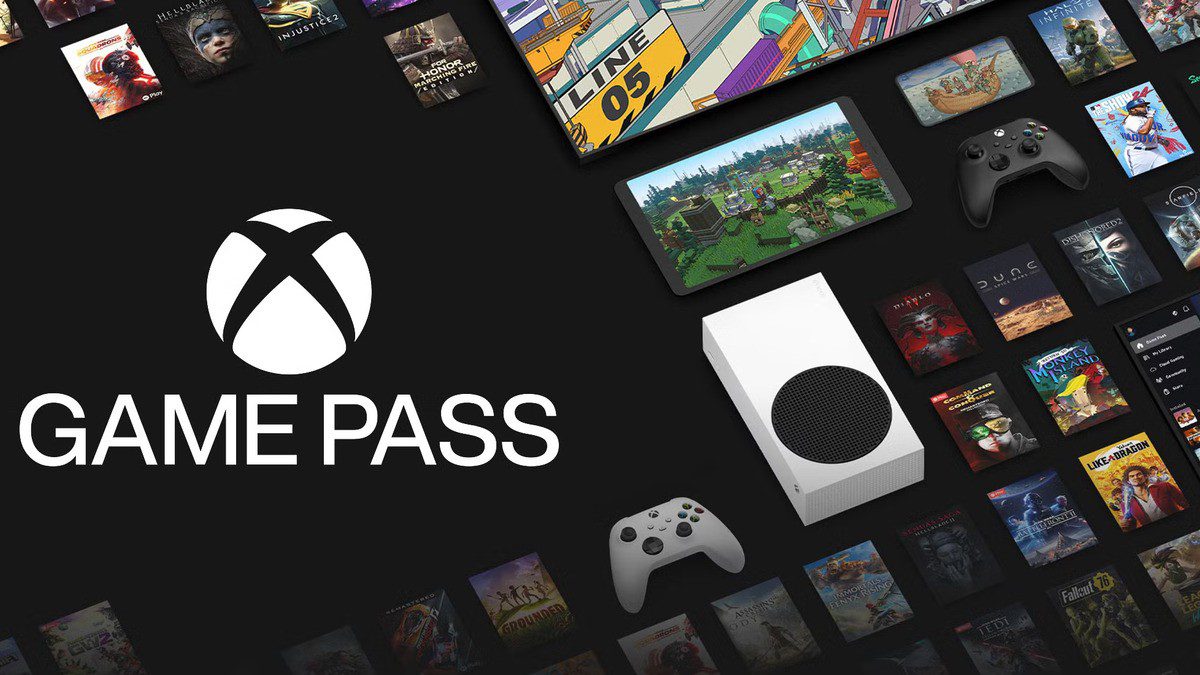
The Triple Click episode you linked features Jason Schreier, who provides new insider reporting about Xbox’s internal turmoil — including developers who hate Game Pass and believe it has destroyed the value of their games. This article synthesizes that reporting into a cohesive, documentary‑style piece.
For years, Xbox leadership presented Game Pass as the future — a frictionless subscription library that would redefine how players access games. But according to new reporting discussed by Jason Schreier on Triple Click, the mood inside Xbox Game Studios has shifted dramatically.
Behind closed doors, a number of developers — including studio leads and long‑time veterans — now openly express that they hate Game Pass. Not dislike. Not question. Hate.
Their reasoning is blunt: Game Pass is destroying the value of their games.
This isn’t a fringe complaint. It’s becoming a recurring theme across internal conversations, exit interviews, and private discussions with journalists.
“It Takes Away the Value From All Games in General”
Schreier’s reporting reveals a sentiment that has been simmering for years: Game Pass has fundamentally changed how players perceive the worth of a game.
Developers describe the subscription model as a race to zero, where:
- A $70 game becomes “just another tile” in a massive library.
- Players expect new releases to be included at no extra cost.
- Sales collapse because the subscription cannibalizes purchases.
- Engagement metrics replace traditional revenue — and those metrics are controlled entirely by Microsoft.
One developer reportedly told Schreier that Game Pass has “taken away the value from all games in general.” Another said the model is “a detriment to the games industry.”
These aren’t indie devs shouting into the void. These are Xbox first‑party creators, the people Game Pass was supposed to empower.
The Engagement Trap: When Success Looks Like Failure
One of the most damaging revelations from Schreier’s reporting is how Microsoft evaluates Game Pass titles.
Game Pass does not reward sales. It rewards engagement.
A studio can:
- Launch a game day‑one on Game Pass
- Reach millions of players
- Earn glowing reviews
- Build a passionate community
…and still be labeled a financial underperformer internally.
Why? Because the subscription model replaces direct revenue with a murky engagement formula that developers cannot see, influence, or predict.
This has led to:
- Studios hitting massive player milestones but still facing layoffs
- Teams being told their game “didn’t move the needle”
- Developers losing bonuses tied to traditional sales metrics
- Creative decisions being shaped around retention algorithms instead of artistic goals
Game Pass was supposed to liberate developers. Instead, many feel it has shackled them to a system they don’t control.
The Call of Duty Flashpoint
The internal backlash intensified when Microsoft pushed Call of Duty into Game Pass.
Schreier’s reporting highlights the fallout:
- Day‑one Game Pass inclusion cost Microsoft hundreds of millions in lost sales.
- To compensate, Microsoft raised Game Pass prices.
- Price hikes triggered subscriber cancellations.
- Retail sales dropped because players waited for the Game Pass version.
- The service failed to hit subscriber targets.
Developers saw this as proof that the model is not sustainable for blockbuster games.
One insider described the situation as a “self‑inflicted wound.”
Studios Feel Their Work Is Being Devalued
The resentment toward Game Pass isn’t just financial — it’s emotional.
1. Years of work reduced to a subscription tile
A game that took five years becomes a “content drop” instead of a premium release.
2. Loss of creative motivation
Sales milestones used to be a badge of honor. Now, success is measured by retention curves and engagement charts.
3. No transparency
Developers don’t know how Microsoft calculates payouts. They don’t know how their game compares to others. They don’t know how to improve their standing.
4. Competing against their own platform
Game Pass cannibalizes the very sales studios rely on to survive.
Schreier notes that some developers feel betrayed — promised a future that never materialized.
A Subscription Model That Works for Players, Not Creators
Game Pass remains beloved by players. But Schreier’s reporting makes one thing clear:
What’s good for consumers is not always good for developers.
Studios are being asked to deliver expensive AAA games into a system that:
- Reduces their revenue
- Obscures their performance
- Punishes them for low engagement
- Removes the prestige of a premium launch
- Forces them into a model that may not be financially viable
The result is a growing internal revolt — one Microsoft can no longer ignore.
Is Xbox Preparing to Change Course?
Schreier does not believe Microsoft will shut down Game Pass. But he does believe the company is rethinking day‑one releases, especially after the Call of Duty fallout.
Insiders expect:
- More staggered releases
- Fewer AAA day‑one drops
- A shift toward older catalog titles
- A renewed focus on traditional sales
- A restructuring of how studios are evaluated
Game Pass is not dying. But it is changing — because the people making the games are demanding it.
Conclusion: A Service at War With Its Own Creators
The reporting discussed in the Triple Click episode paints a stark picture:
Game Pass, once Xbox’s boldest innovation, has become a source of frustration, resentment, and existential fear inside Xbox Game Studios.
Developers feel:
- Their work is undervalued
- Their success is mismeasured
- Their revenue is unstable
- Their creative freedom is compromised
Game Pass may have revolutionized access to games. But according to the people building Xbox’s future, it may also be destroying the value of the games themselves.
Microsoft now faces a critical choice: Adapt Game Pass to protect its creators — or risk losing the very studios that make the service worth subscribing to.