Nintendo’s tariff battle has turned into a strange collision of trade policy, consumer expectations, and the philosophy of what a purchase really means — and the story goes back years before anyone filed a lawsuit.
When Nintendo raised the price of its Switch consoles in the United States, the company framed it as a reluctant response to a political and economic storm it didn’t create. The U.S. government, under President Donald Trump, had imposed sweeping tariffs on imports from numerous countries — but the most consequential for the gaming industry were the ones aimed squarely at China, where much of the world’s consumer electronics are manufactured.
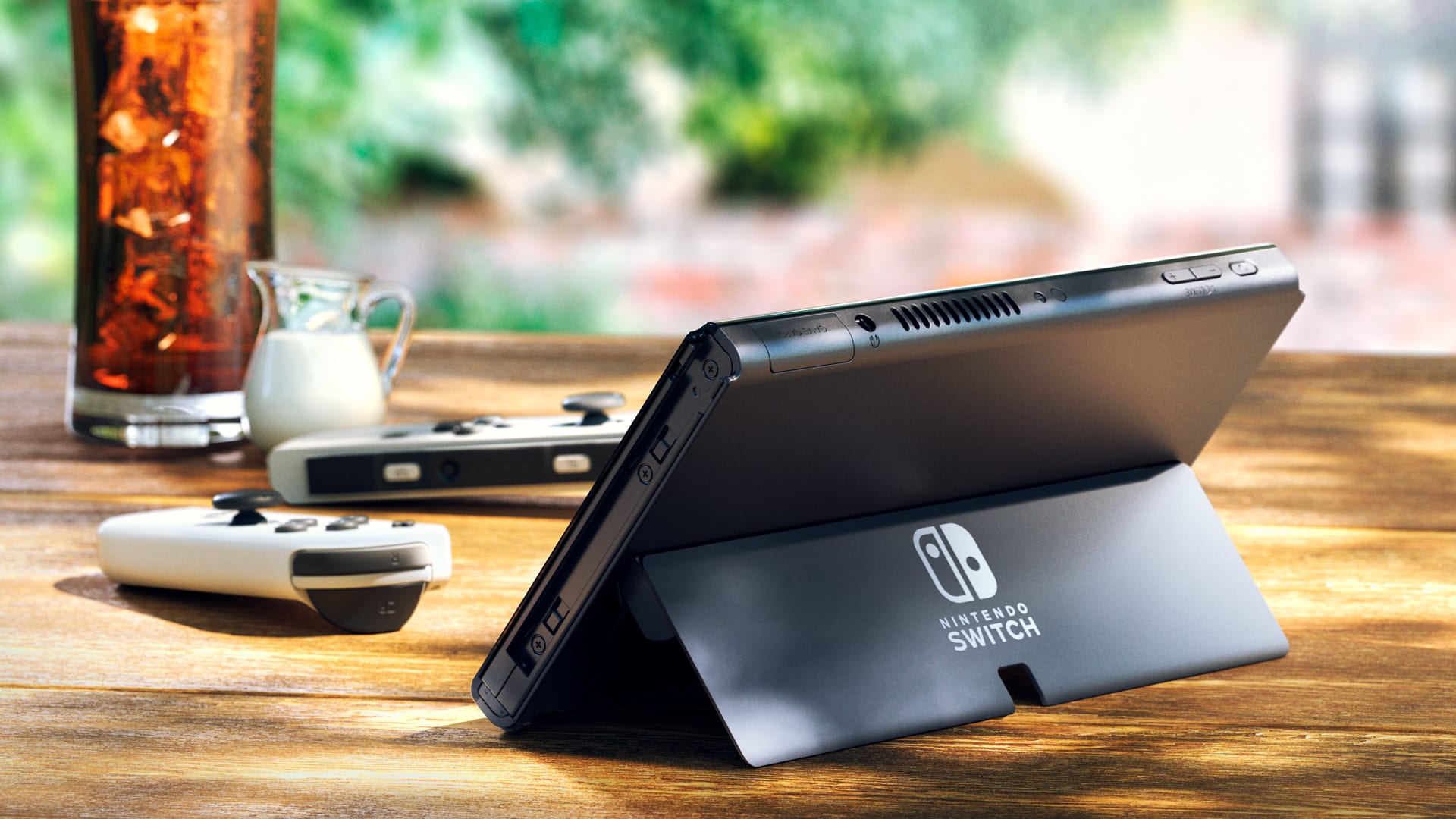
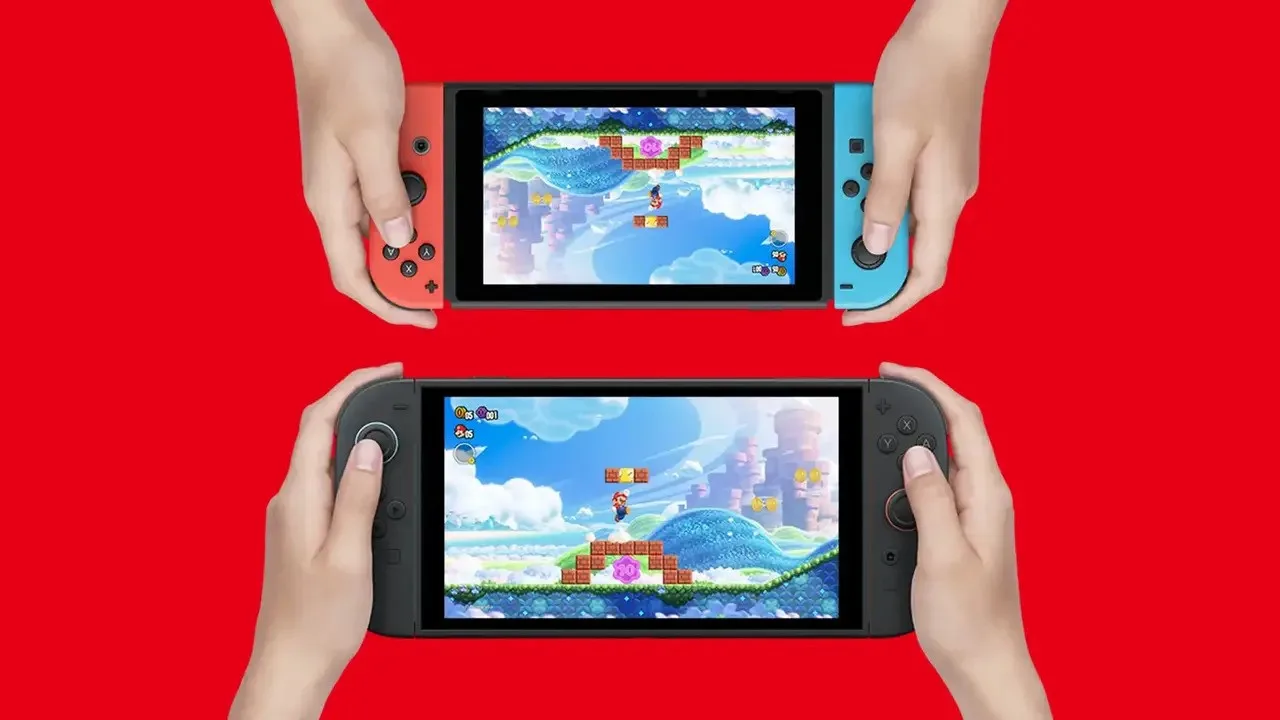
For Nintendo, the math was simple: higher import costs meant higher retail prices. The original Switch climbed by $40, the Lite by $30, and the OLED model by $50. Consumers grumbled, but the market adapted. People still bought consoles, and Nintendo still sold millions of them.
But the story didn’t end with the price hike. It only paused — waiting for the courts to catch up.
The Supreme Court’s Ruling and the Corporate Counterpunch
In March 2026, the U.S. Supreme Court delivered a ruling that detonated the foundation of those tariffs. The Court found that Trump did not have the authority to invoke them in the manner he did. Suddenly, companies that had spent years absorbing or passing along tariff costs saw an opening.
Nintendo joined more than 1,000 other firms in suing the U.S. government, arguing that the tariffs had been illegally implemented and that the money paid under them should be refunded. It was a rare moment where the gaming giant — typically quiet, conservative, and conflict‑averse — stepped directly into a political and economic fight.
But as Nintendo sought refunds, two players saw a different angle.
The Players Who Sued Nintendo
Gregory Hoffert of California and Prashant Sharan of Washington filed a class‑action lawsuit claiming that if Nintendo received tariff refunds, those funds should flow back to the customers who paid higher prices. Their argument was intuitive: if the price increase was caused by tariffs, and the tariffs are later deemed invalid, then the people who bore the cost should be reimbursed.
Nintendo’s response was blunt, almost philosophical: a purchase is a deal, not a promise about future legal outcomes.
Nintendo’s Defense: “You Got Exactly What You Paid For”
In its filing asking the court to dismiss the lawsuit, Nintendo argued that consumers received precisely what they agreed to buy — a console at the advertised price. The company insisted that commercial transactions don’t retroactively adjust themselves when external conditions change.
Nintendo’s position rested on a few pillars:
- A purchase is voluntary. No one was forced to buy a Switch at the higher price. If the cost seemed unfair, consumers could walk away or choose a competitor.
- Tariffs weren’t the only factor. Nintendo emphasized that rising costs in memory, labor, shipping, and other components also contributed to price adjustments. Tariffs were part of the equation, not the entire equation.
- Nintendo absorbed some costs. The company claimed it didn’t simply pass tariffs directly to consumers. It made “modest and selective” adjustments and even chose to absorb tariff costs on some of its most popular products, including the Nintendo Switch 2.
- Refunds don’t map cleanly to consumer harm. Even if Nintendo receives tariff refunds, the company argues that consumers didn’t suffer a legally recognizable loss. They paid the price they agreed to at the time, and they received the product they wanted.
In other words, Nintendo’s stance is that the fairness of a transaction is determined at the moment of purchase — not years later when political winds shift.
A Larger Question: What Do Companies Owe Consumers When Laws Change?
The lawsuit touches on a deeper tension in consumer economics. When a company raises prices due to external pressures — tariffs, supply chain disruptions, regulatory changes — and those pressures later disappear, does the company owe anything to the people who paid more?
Historically, the answer has almost always been no. Prices reflect conditions at the time of sale, not hypothetical future corrections. But the digital era has made consumers more aware of corporate accountability, and more willing to challenge long‑standing norms.
Nintendo’s case is a test of whether those norms still hold.
Why This Matters Beyond Nintendo
The gaming industry rarely intersects with trade law, but this dispute highlights how globalized and fragile the supply chain behind every console truly is. A tariff imposed in Washington can raise prices in California, influence manufacturing decisions in Shenzhen, and spark lawsuits years later when courts revisit the legality of those tariffs.
Nintendo’s argument — that consumers got what they paid for — is legally traditional but socially provocative. It asks players to accept that the price of a console is not a moral contract, but a snapshot of a moment in time.
The Human Side of the Story
For Hoffert and Sharan, the lawsuit isn’t just about money. It’s about fairness. They bought consoles during a period when prices were inflated by a government policy later deemed invalid. They believe that if Nintendo is made whole, consumers should be too.
Nintendo, meanwhile, is defending not just its finances but its philosophy of commerce. If courts decide that companies must retroactively adjust prices when external conditions change, it could set a precedent that ripples across industries far beyond gaming.
Where Things Stand Now
Nintendo has formally asked the court to dismiss the class‑action suit. The company’s filing is confident, almost dismissive, arguing that the plaintiffs misunderstand how commercial transactions work. Whether the court agrees will determine whether this becomes a footnote in trade‑war history or a landmark case in consumer rights.
Either way, the story reveals something essential about the modern gaming landscape: the price of a console is never just a number. It’s a reflection of politics, economics, global manufacturing, and the delicate balance between what companies charge and what consumers believe is fair.