
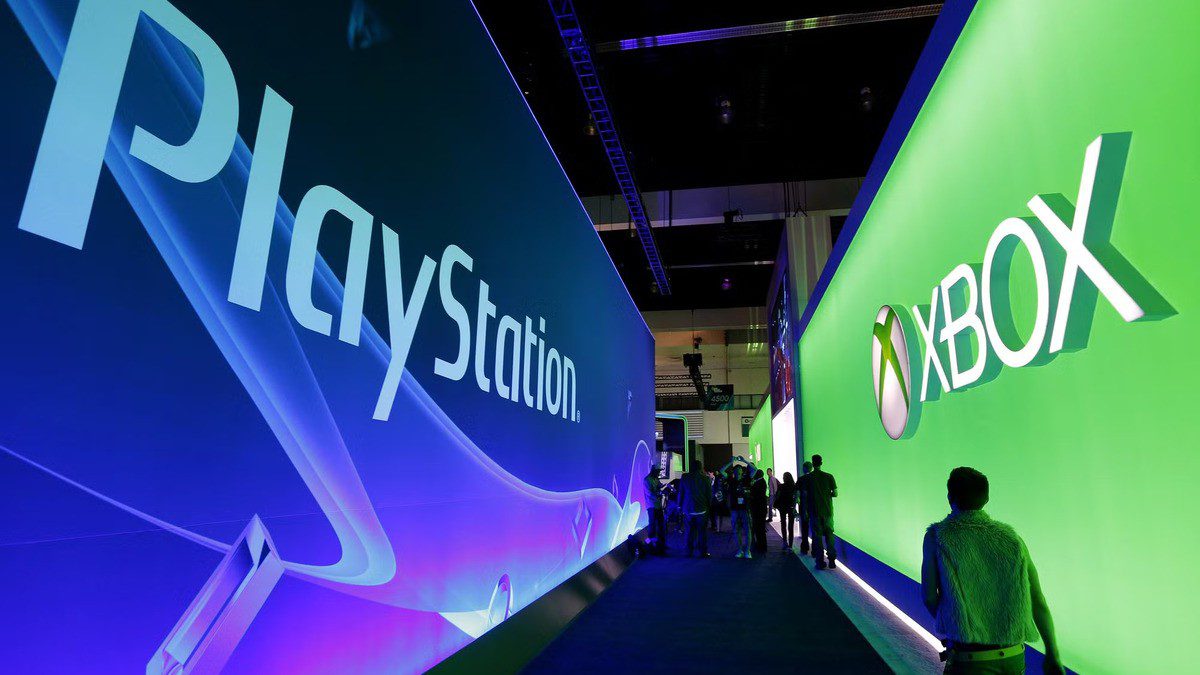
The gaming industry’s push toward a digital‑only future has never looked more ironic—or more fragile—than in the week both PlayStation and Xbox suffered major outages, exposing exactly why consumers should be skeptical of a world without physical media.
The Week the Digital Future Glitched: How PlayStation and Xbox Accidentally Proved Why Physical Media Still Matters
There are weeks in gaming history that feel like turning points. Sometimes they’re triumphant—new consoles, genre-defining releases, technological leaps. And sometimes, like this past week, they’re cautionary tales. In less than seven days, both PlayStation and Xbox suffered unexpected, widespread outages that locked players out of their digital libraries, disrupted online services, and reminded everyone of a truth the industry keeps trying to bury: digital gaming is only as reliable as the servers behind it.
The irony is almost cinematic. PlayStation had just opened Pandora’s box by announcing it would cease producing physical games by January 2028, a declaration that sent shockwaves through collectors, preservationists, and anyone who has ever tried to play a game during a network outage. Microsoft, meanwhile, isn’t innocent in this story. People forget that Xbox quietly disbanded the internal team responsible for coordinating physical releases with third‑party publishers—a move that signaled its own retreat from discs long before Sony’s announcement.
And then, as if the universe wanted to make a point, the digital future broke.
The Outages That Exposed the Cracks
PlayStation’s outage hit first, knocking PSN authentication offline and preventing players from launching digital titles—even ones they had purchased outright. A few days later, Xbox Live stumbled, producing login failures, cloud sync errors, and the dreaded “You must be online” prompts for games that were supposedly “owned.”
These weren’t catastrophic, multi‑day failures. They were inconvenient, frustrating, and temporary. But that’s exactly the problem: temporary outages shouldn’t erase access to something you paid for. Yet in a digital‑only ecosystem, they do.
The outages became a real‑time stress test of the industry’s dream scenario: a world where discs are gone, ownership is abstract, and access is conditional. And the results weren’t flattering.
PlayStation’s Pandora’s Box: The 2028 Deadline
Sony’s decision to end physical game production by January 2028 isn’t just a business pivot—it’s a cultural shift. Physical games have been part of the medium’s identity for nearly fifty years. They’re archival, collectible, and—most importantly—functional without permission from a server.
By announcing a hard cutoff date, Sony essentially declared that the future of gaming will be subscription‑based, server‑dependent, and controlled entirely by digital storefronts. It’s a future where:
- Games can be delisted permanently.
- Ownership becomes a license, not a right.
- Access depends on authentication servers that can fail, be retired, or be region‑locked.
- Preservation becomes a community effort instead of a corporate responsibility.
The outage made this future feel less like progress and more like a gamble.
Microsoft’s Quiet Exit From Physical Media
While Sony made headlines, Microsoft made moves. The dissolution of the Xbox physical media team didn’t trend on social media, but it was arguably just as significant. That team was the bridge between Xbox and publishers who still believed in discs. Without it, physical releases become harder, slower, and less prioritized.
Microsoft has been positioning Xbox as a service ecosystem—Game Pass, cloud gaming, digital storefront dominance. Removing the infrastructure that supports physical media is a strategic choice, not an accident. And when Xbox Live went down this week, players saw the consequences: a console that increasingly behaves like a streaming box, even for games installed locally.
The Digital‑Only Future: What Consumers Need to Understand
This isn’t fearmongering. It’s clarity. A digital‑only gaming world comes with real, factual implications that consumers must be aware of:
Digital ownership is not ownership. You are buying access, not a product. Access can be revoked, altered, or interrupted.
Server dependency is permanent. If authentication servers go offline—whether for maintenance, outages, or corporate decisions—your library becomes unusable.
Games can disappear forever. Licensing issues, music rights, expired contracts, or publisher closures can remove games from storefronts permanently. If you didn’t buy them physically, they’re gone.
Preservation becomes fragile. Without discs, future generations rely entirely on corporations to maintain archives. Historically, corporations do not preserve games—they sunset them.
Regional access becomes a gatekeeper. Digital storefronts can restrict purchases, updates, or downloads based on geography. Physical media bypasses that.
Resale and sharing vanish. Digital games cannot be resold, traded, gifted, or loaned. The secondary market dies.
Hardware longevity becomes irrelevant. A console that can run a game is meaningless if the server that authorizes the game no longer exists.
The outages were a preview of this reality. A small taste of a future where your library is only as stable as the network behind it.
The Industry’s Blind Spot: Convenience Isn’t Ownership
The gaming industry loves to frame digital as “convenience.” Instant downloads. No discs. No clutter. But convenience is not a replacement for reliability, and it certainly isn’t a replacement for ownership.
This week proved that the industry’s digital‑only ambitions are built on infrastructure that still fails—sometimes spectacularly. And when it fails, players lose access to the very thing they paid for.
The irony is that physical media was never the problem. It was the safety net.
The Final Word: A Future Worth Questioning
PlayStation and Xbox didn’t just suffer outages—they accidentally demonstrated why their digital‑only future is flawed. They showed that the infrastructure isn’t ready, the consumer protections aren’t strong enough, and the concept of “ownership” is being quietly rewritten.
The industry wants to delete discs. But this week, the servers reminded everyone that maybe—just maybe—we still need them.