Nearly four years after its announcement, Project Sirius—the experimental Witcher multiplayer spin‑off developed by CD Projekt’s Boston‑based subsidiary The Molasses Flood—has once again become the center of difficult news. Multiple outlets confirmed a fresh round of layoffs affecting the team, marking the second major workforce reduction since the project’s troubled reboot in 2023. According to reporting from IGN and Kotaku, nine developers were let go, with four departing from the Boston office and five from CD Projekt’s Warsaw headquarters. Another nine employees were informed they could apply for roles on other CD Projekt Red projects, signaling a restructuring rather than a full-scale downsizing.
The studio’s statement framed the layoffs as a pragmatic adjustment to the project’s needs at its current stage of development. As of April 30, the team consisted of 83 developers; the new staffing level is now understood to be closer to 60–65. CD Projekt emphasized that the decision was not indicative of cancellation, but rather a recalibration of resources as the game evolves. This echoes the company’s earlier messaging from 2023, when Project Sirius underwent a full reboot after leadership determined the original direction was not meeting internal expectations. That reboot resulted in 29 layoffs at the time, making this latest reduction part of a longer pattern of turbulence.
Part Of The Witcher future at Video Games
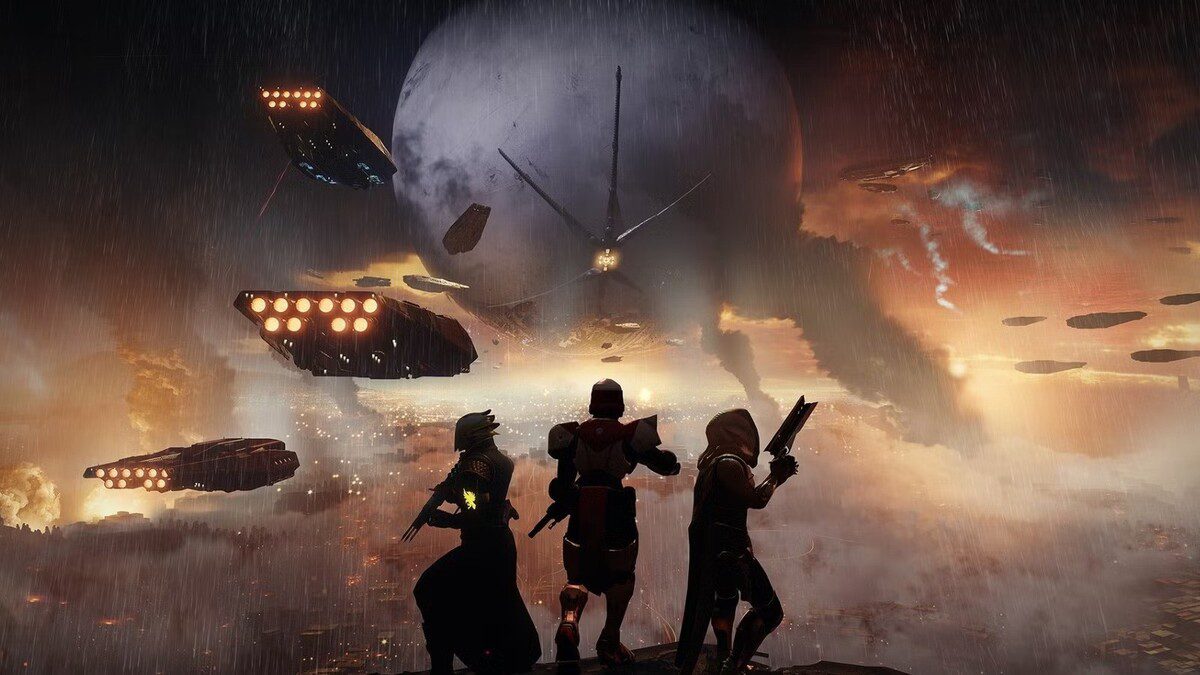
Project Sirius has always stood apart from the main Witcher franchise. Conceived as a hybrid single‑player and cooperative multiplayer experience, it represents one of CD Projekt’s most experimental ventures—an attempt to expand the Witcher universe into new genres and player dynamics. The Molasses Flood, known for The Flame in the Flood, was acquired in 2021 specifically to lead this effort. But the project’s development has been marked by uncertainty, shifting frameworks, and long periods of silence. Kotaku’s reporting notes that despite recent signs of progress—including the hiring of acclaimed Destiny 2 writer Kwan Perng as lead writer—the project continues to face structural challenges that have required repeated reevaluation.
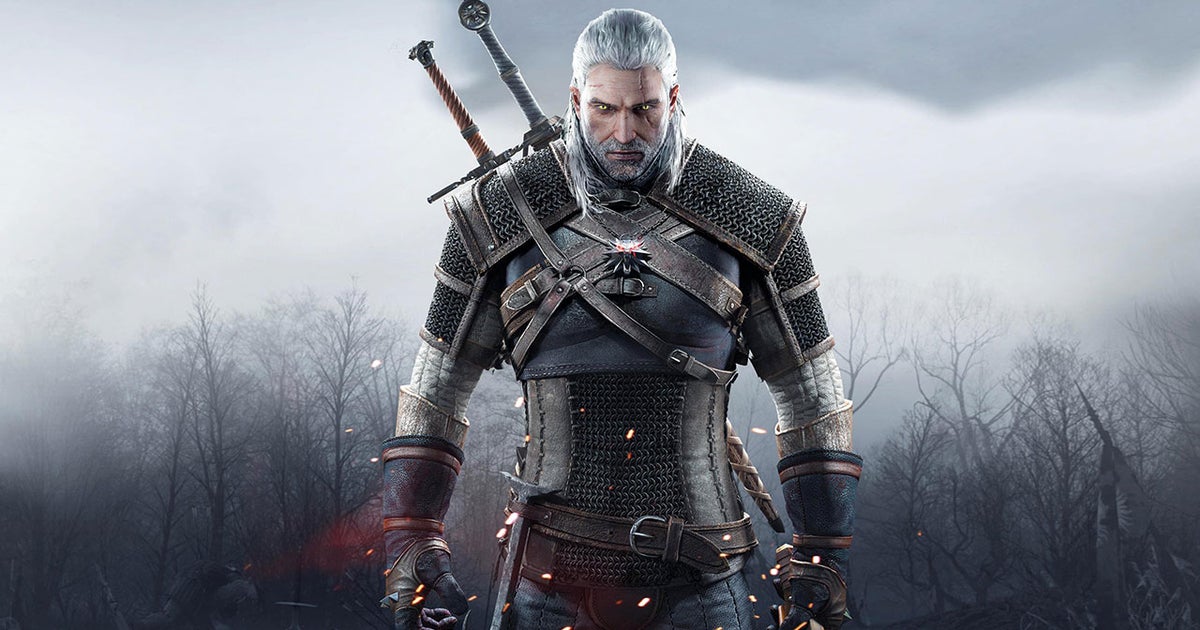
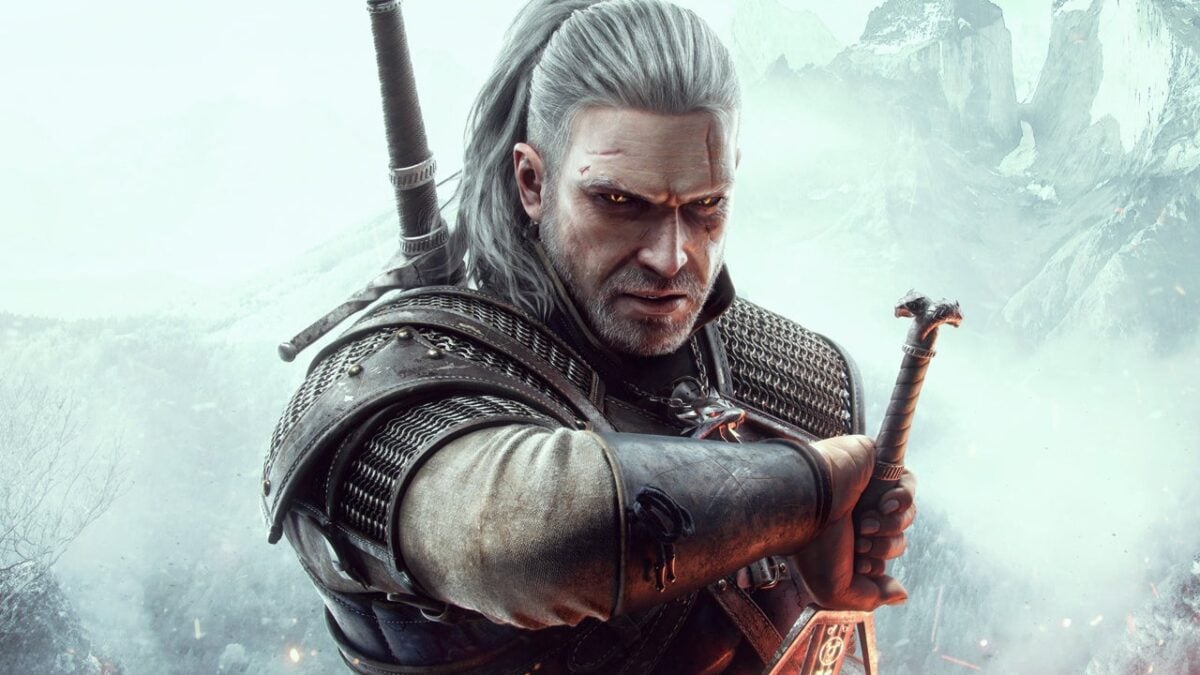
The layoffs also highlight the broader pressures within CD Projekt as it juggles an unusually ambitious slate of upcoming titles. The company is currently deep into production on The Witcher 4, with a massive team of over 500 developers assigned to the next mainline entry. Parallel development continues on Cyberpunk 2, staffed by more than 160 developers, and the studio’s new IP, Project Hadar, which remains in early stages with a smaller team. Beyond these flagship projects, CD Projekt is also preparing a new expansion for The Witcher 3 and developing a full remake of the original Witcher. The company has publicly committed to releasing The Witcher 4, 5, and 6 within a six‑year window—a plan so aggressive that it effectively rules out expansions for The Witcher 4 and leaves little room for delays or resource misallocation.
The Outlook?
Within this context, Project Sirius occupies a precarious position. It is neither canceled nor confidently showcased; nearly four years after its reveal, CD Projekt has yet to present gameplay, concept footage, or even a clear vision of what the final experience will be. The studio’s insistence that development continues suggests a desire to preserve the project’s potential, but the repeated layoffs underscore the difficulty of sustaining an experimental title while the company’s main franchises demand enormous manpower. The Molasses Flood’s integration into CD Projekt was intended to diversify the studio’s creative output, yet the ongoing instability around Sirius raises questions about how smaller teams can thrive under the weight of such large-scale corporate ambitions.
Still, the project’s survival—despite two rounds of layoffs, a full reboot, and years of silence—indicates that CD Projekt sees value in exploring multiplayer storytelling within the Witcher universe. The hiring of high-profile talent and the continued reassignment of staff rather than outright termination for some roles suggests that the company is trying to preserve institutional knowledge while reshaping the project’s direction. Whether this results in a revitalized vision or a prolonged struggle remains to be seen, but Project Sirius now stands as a symbol of both the promise and the peril of expanding a beloved franchise into uncharted territory.
In the end, the latest layoffs reflect a studio attempting to balance innovation with practicality. CD Projekt’s ambitions for the Witcher franchise are larger than ever, spanning remakes, sequels, and new narrative horizons. But Project Sirius—once envisioned as a bold multiplayer experiment—continues to navigate a difficult path shaped by shifting priorities, evolving design goals, and the realities of large-scale game development. Until the studio is ready to reveal the project publicly, its future will remain defined not by what players have seen, but by the internal struggles that continue to shape its development.