Riot’s announcement that 2XKO will end active development in December 2026 marks a turning point not only for the game, but for how live‑service titles communicate their futures. The decision, confirmed publicly on August 20, 2026, comes after months of internal evaluation showing that 2XKO—despite strong early interest, a dedicated competitive community, and high‑profile tournament showings—never reached the level of sustained player retention needed to justify continued investment.
The End of the Push: Why 2XKO’s Development Is Stopping
Riot’s messaging is unusually candid: 2XKO costs more to operate than it brings in, and even major updates—new champions like Akali, Senna, Thresh, the PvE mode The Climb, and its EVO 2026 main‑stage appearance—failed to meaningfully shift the game’s long‑term trajectory. Engagement remained “flat,” and the studio concluded that continuing development into 2027 would be irresponsible for both players and the team.
The game’s early access launch in late 2025 and full release in January 2026 showed promise. Over 1,500 community tournaments sprang up, and the game briefly became the third‑most played title at EVO behind Street Fighter 6 and Tekken 8. But the broader fighting‑game audience never embraced 2XKO at scale. Riot even downsized the development team in February 2026—an early sign that the project was struggling to find its footing.
By mid‑2026, the writing was on the wall: the game had a passionate niche, but not a sustainable ecosystem.
What Happens Now: The Final Roadmap
Riot is not abandoning the game overnight. Instead, the studio is delivering a structured wind‑down that respects players’ investment:
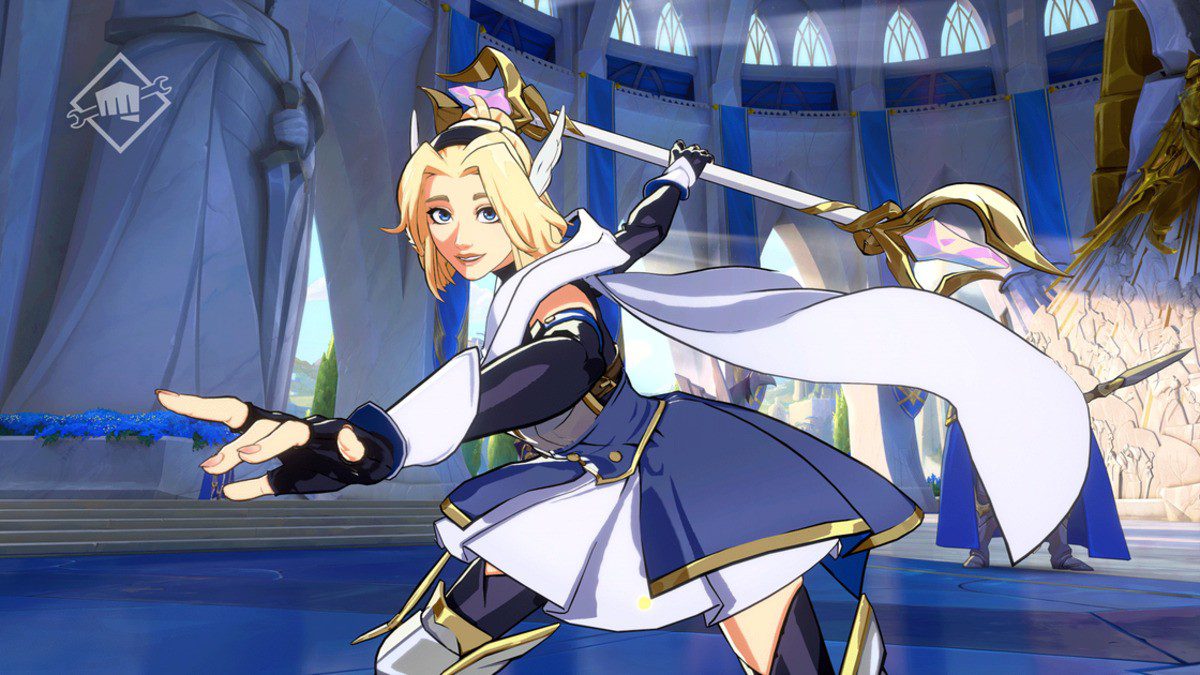
- September 2026 (Patch 1.3.1): Lux joins the roster; all champions unlock for free; ranked mode is removed; battle passes, KO Points, and seasonal systems disappear. Cosmetics consolidate into a $39.99 “Ultimate Bundle.”
- October 2026 (Patch 1.3.3): Samira arrives as the final new champion.
- December 2026 (Patch 1.3.5): A last optional bug‑fix and balance pass marks the official end of active development.
Every purchase made on or before August 20, 2026—including KO Points and the Starter Edition—will be refunded. PC refunds return to the original payment method; console refunds go through PlayStation and Xbox.
The competitive circuit remains intact through 2026, ensuring that the community’s final year is not cut short.
Sunset vs. End of Active Development: The Crucial Difference
Riot’s announcement uses careful language. The game is not being shut down. Instead, it is entering a state that sits between “fully supported live service” and “sunset.”
Ending Active Development
This means:
- No new champions, modes, or major features after December 2026
- No ongoing balance patches beyond the final one
- No seasonal resets, battle passes, or live‑service progression
- No expansion of monetization systems
- The game remains downloadable and fully playable online and offline
- Servers stay online “beyond 2026,” with advance notice if that ever changes
In other words, 2XKO becomes a static product—complete, but no longer evolving.
Sunsetting
A sunset is more final. It typically means:
- Servers shut down permanently
- Online play becomes impossible
- The game may be delisted from storefronts
- Offline functionality may be removed or limited
- The title is effectively retired
Riot has not announced a sunset. They have only ended active development.
This distinction matters. Many live‑service games disappear entirely once they stop receiving updates. Riot is choosing a different path: preserving 2XKO as a playable experience, even if it no longer grows.
This approach mirrors how some fighting games transition into “legacy mode,” where the community maintains interest through tournaments, friend groups, and offline sessions long after official support ends.
Why Riot Didn’t Sunset the Game Immediately
The decision to keep servers online is both practical and symbolic.
Practically, 2XKO still has an active daily player base—small, but passionate. The game’s rollback netcode, duo‑focused design, and unique tag‑team mechanics earned admiration from parts of the FGC. Riot acknowledges this by ensuring players can continue enjoying the game without fear of sudden shutdown.
Symbolically, it’s a gesture of respect. Riot is refunding all purchases, unlocking all champions, and bundling cosmetics—moves that prioritize player goodwill over short‑term revenue. It’s a rare, almost preservation‑minded stance in an industry where live‑service games often vanish without warning.
The Legacy of 2XKO
2XKO will not make it to its first anniversary as an actively developed title, but its impact is more nuanced than its short lifespan suggests.
It proved that:
- Riot can build a mechanically strong fighting game
- The FGC will embrace new titles when they respect genre fundamentals
- Live‑service ambitions must match realistic player‑base expectations
- Transparency—especially around financial sustainability—can soften the blow of difficult decisions
The game’s future now belongs to its community. With servers online, all champions unlocked, and the full roster accessible, 2XKO enters a new phase: not a sunset, but a preserved snapshot of what Riot hoped would be a long‑running fighting‑game platform.
A Final Thought
Ending active development is not the same as ending a game’s life. 2XKO will continue to exist, be played, and be remembered—just not expanded. Riot’s decision reflects both the realities of modern game economics and a genuine attempt to honor the players who believed in the project.