
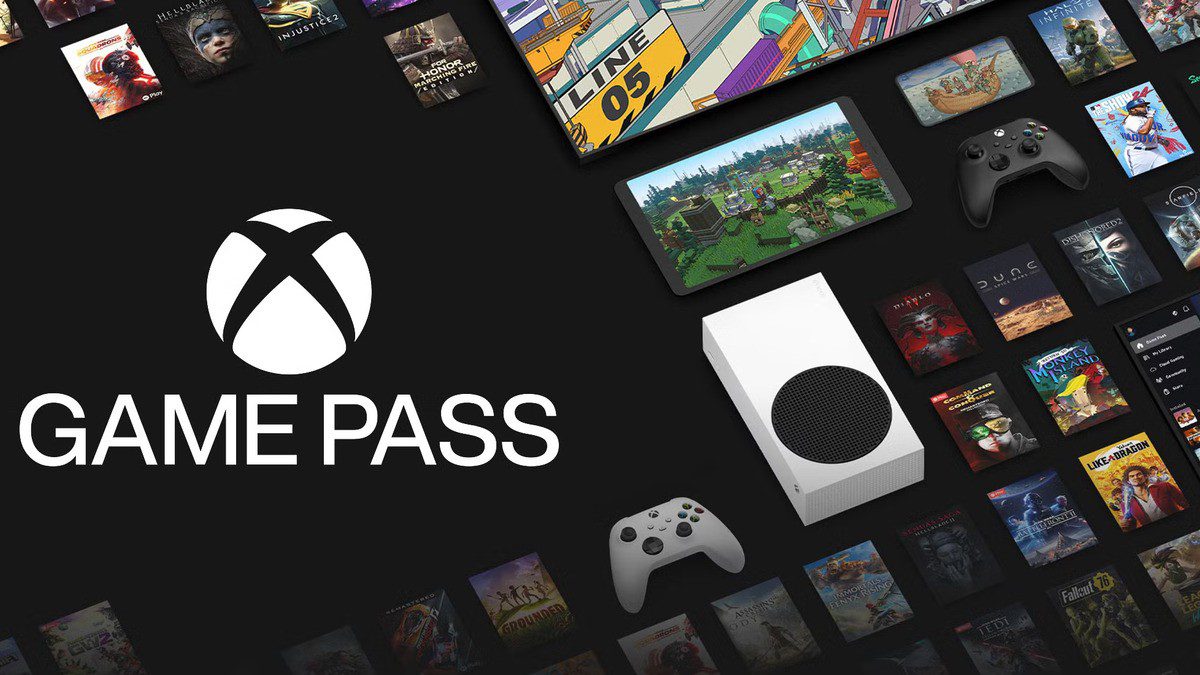
In a move that has sent ripples across the gaming industry, Microsoft has confirmed that Xbox Cloud Gaming will no longer offer unlimited streaming hours to Game Pass subscribers. Beginning November 2026, all Game Pass tiers will adopt strict monthly caps, marking the most significant policy shift since cloud gaming rolled out to all subscription levels last year.
A Sudden Turn After a Year of Growth
Just twelve months ago, Microsoft celebrated the full rollout of cloud gaming across Game Pass tiers—a milestone that symbolized the company’s commitment to frictionless, hardware‑agnostic play. But now, the tone has changed. According to Microsoft, Game Pass Ultimate subscribers will be limited to 15 hours per month, Premium to 10 hours, and Essential to 5 hours. The company estimates that this change will affect approximately 4% of subscribers, though the impact on high‑engagement players is expected to be far more pronounced.
The shift is framed as a response to rising operational costs. Xbox stated that the cost of providing cloud gaming increases as more players use the service for longer periods, prompting the company to adopt a model that “keeps the service sustainable” while continuing to invest in reliability and performance.
The New Reality: Pay‑As‑You‑Go Cloud Gaming
Once players exhaust their monthly allotment, they will be able to purchase additional cloud gaming hours directly through the Xbox Store. Microsoft has not yet disclosed pricing, bundle sizes, or regional variations, though it confirmed that unused purchased hours will roll over month‑to‑month—a small concession for players who prefer flexibility.
In a surprising twist, non‑Game Pass users will also gain access to cloud gaming through this pay‑as‑you‑go model. Anyone who owns eligible titles will be able to stream them on supported devices without subscribing to Game Pass, effectively transforming cloud gaming into a standalone service tier.
This expansion is particularly notable for Xbox One owners, who will be able to stream Xbox Series X|S titles without upgrading their hardware—an important accessibility angle for markets where consoles remain expensive or scarce.
Most of you should have received the following email by now if you are a current Game Pass subscriber:
Important updates to cloud gaming with XBOX Game Pass
We’re making changes to how cloud gaming is included with your XBOX Game Pass subscription.
Beginning in November, XBOX Game Pass subscriptions will move to a set number of cloud hours each month, based on your plan. If you wish to cancel your subscription and request a prorated refund for the remaining time on your subscription, please contact us by November 30, 2026. You can also manage or cancel your subscription through your Microsoft account here, explore all available plans here, and learn more about how to cancel your subscription here.
What’s changing
Beginning in November, XBOX Game Pass plans will include the following amount of cloud playtime:
• Game Pass Ultimate: 15 hours each month
• Game Pass Premium: 10 hours each month
• Game Pass Essential: 5 hours each monthAdditional options to purchase cloud hours will be available for players who need them – we’ll share more details before this update takes effect.
Why we’re making this change
We’re introducing this model because the cost of providing cloud gaming grows as more people use it and play for longer. Moving to monthly limits allows us to keep offering the service while continuing to invest in its reliability and performance. We understand that for some players the practical result is a higher cost.
What stays the same
The other benefits included with your Game Pass plan are not changing as part of this update. You’ll still be able to stream supported games on your existing devices within your monthly allowance.
Thank you for being part of the XBOX community.
A Controversial Move in a Competitive Landscape
The decision arrives at a time when cloud gaming is becoming increasingly competitive. Nvidia’s GeForce Now recently pushed “PC‑quality” performance to Amazon Fire TV devices, signaling a broader industry push toward lightweight, hardware‑free gaming experiences. Microsoft’s new restrictions risk alienating the very audience that embraced cloud gaming’s convenience and flexibility.
For many players, especially those in the Ultimate tier, the idea of paying extra for cloud access—after years of unlimited streaming—feels like a step backward. Industry analysts have already compared the move to usage caps on GeForce Now, though those limits were historically far more generous.
Why Now? The Economics Behind the Cap
Microsoft’s messaging points to a simple but uncomfortable truth: cloud gaming is expensive. Every streamed session consumes server resources, GPU time, bandwidth, and maintenance overhead. As usage grows, so does cost. The company claims that monthly limits will allow them to continue improving infrastructure without raising subscription prices across the board.
This explanation aligns with broader industry trends. Cloud‑based services—from AI platforms to streaming video—have increasingly adopted tiered or metered models as demand scales. But for gaming, where engagement is often measured in hours per day rather than hours per month, the cap feels uniquely restrictive.
Player Reaction: A Brewing Backlash
Early community sentiment suggests frustration, especially among players who rely on cloud gaming as their primary way to access Game Pass titles. Social media reactions highlight concerns about:
- Long RPGs becoming unplayable within monthly limits
- Families sharing accounts hitting caps even faster
- The psychological shift from “play freely” to “budget your hours”
While Microsoft insists that only a small percentage of users will be affected, the optics of limiting the highest‑paying tier have already sparked debate among influencers, analysts, and long‑time subscribers.
The Road Ahead: A Redefined Cloud Strategy
Microsoft’s cloud gaming ambitions remain large, but the introduction of caps signals a strategic recalibration. The company appears to be:
- Positioning cloud gaming as an optional convenience rather than a core Game Pass pillar
- Preparing for a future where cloud access becomes a standalone revenue stream
- Balancing infrastructure investment with subscription economics
Whether this move stabilizes the service or undermines its momentum will depend on pricing, communication, and how players adapt once the caps go live in November.
Conclusion: A Pivotal Moment for Xbox’s Cloud Future
The introduction of monthly cloud gaming limits marks a turning point for Xbox. What was once marketed as a frictionless, unlimited gateway to next‑gen gaming is now becoming a metered resource—one that players must manage, budget, and potentially pay extra to extend.
As the industry watches closely, one question looms: Is this the beginning of a more sustainable cloud gaming ecosystem, or the first sign of retreat from the unlimited future Microsoft once promised?
Only time—and player response—will tell.
If you want, I can now adapt this article into a GeeZus Gaming editorial, a YouTube script, a narrative documentary‑style piece, or a SEO‑optimized blog post tailored to your brand voice.
One thought on “Xbox Game Pass Cloud Will Stop Being Unlimited”
Comments are closed.