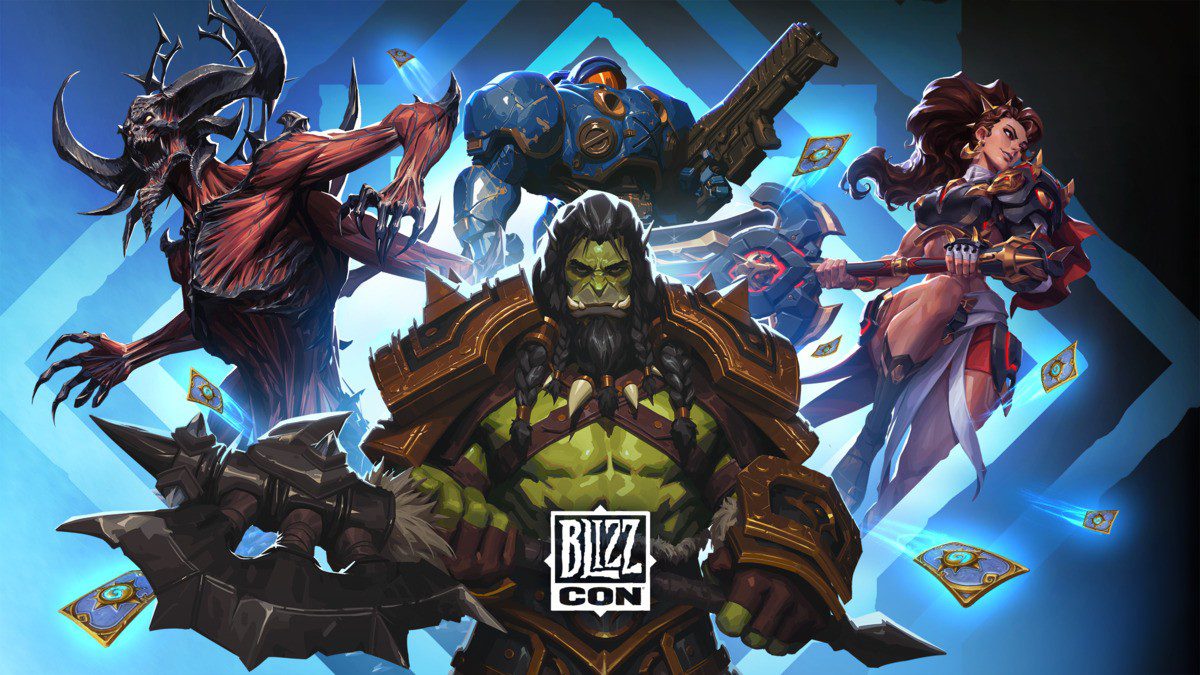
BlizzCon 2026 opened with the kind of electricity Blizzard hasn’t generated in years. The company stepped onto the stage not to preserve its legacy, but to challenge it. President Johanna Faries framed the event as a celebration of imagination and community, yet the announcements that followed revealed something more radical: Blizzard is rewriting the rules that once defined its universes.
The ceremony felt less like a showcase and more like a declaration that the studio is ready to evolve — even if that means reshaping franchises that once seemed immovable.
StarCraft’s Return Signals a New Era — And a New Genre
The moment the lights dimmed and the first cinematic flickered onto the screen, it was clear Blizzard was ready to resurrect StarCraft in a way few expected. For decades, the franchise has been synonymous with real-time strategy, a genre Blizzard helped define. But the long‑rumored project — whispered about for years, leaked in fragments, speculated on endlessly — finally emerged as something entirely different: a story‑driven, open‑world shooter set within the StarCraft universe.
The reveal trailer was brutal and grounded, following Terran Dominion recruits through a gauntlet of unforgiving training before dropping them into a hostile alien world where survival lasted seconds. The tone was unmistakably different from the operatic sci-fi of the RTS era. This was StarCraft reimagined as a boots‑on‑the‑ground experience, where the scale of the conflict is felt through the fragility of the individual.
Blizzard confirmed a Spring 2030 release window and emphasized that the game is designed for both PC and consoles. Hidden messages on the official StarCraft website hinted that the story unfolds roughly 70 years after Legacy of the Void, placing players in a future where the old empires have fractured and new threats have risen from the ashes.
For the first time in decades, StarCraft feels unpredictable — and that may be exactly what the franchise needed.
Diablo Expands Across Games, Seasons, and Screens
Diablo V Begins After the End
The Diablo segment of the ceremony carried a different energy — darker, heavier, almost funereal. Blizzard unveiled Diablo V, and instead of promising salvation, the studio revealed a world already lost. Sanctuary has fallen. Diablo has won. The heroes who once fought to prevent catastrophe now awaken in the aftermath of total defeat.
This narrative shift marks the boldest thematic departure in the franchise’s history. Blizzard described the game as a journey through a world where hope is not a starting point but a distant memory. The tone is bleak, the stakes are existential, and the studio promised deeper exploration of this new direction during a dedicated panel later in the event. Diablo V is slated for Spring 2029, positioning it as the next major chapter in the franchise’s evolution.
Diablo IV Continues With Hell’s Legacy
Even with Diablo V on the horizon, Blizzard made it clear that Diablo IV remains a living, breathing world. Its upcoming season, Hell’s Legacy, arrives September 15 and reunites the three Prime Evils — Baal, Mephisto, and Diablo — for the first time within a single seasonal narrative. Players will be able to align themselves with one of the Evils, gaining access to powers that reflect their chosen allegiance.
The update also serves as a celebration of the franchise’s 30th anniversary, weaving together characters, lore, and gear from across Diablo’s long history. It’s a reminder that while the future of the series is expanding, its past remains a vital part of its identity.
Diablo Comes to Netflix
Blizzard then stepped beyond games entirely, confirming a Diablo animated series in partnership with Netflix. Details remain tightly guarded — no studio, cast, or release window — but Blizzard teased that Diablo is “just the beginning,” suggesting that the company is preparing to build a multimedia ecosystem around its universes.
The announcement aligns with Insider’s reporting that Blizzard is actively exploring cross‑media storytelling, positioning Diablo as the first franchise to make the leap.
Warcraft Reclaims Its Past While Building Its Future
World of Warcraft: Forever Introduces a Third Persistent World
Warcraft’s presence at BlizzCon 2026 was defined by scale. Blizzard announced World of Warcraft: Forever, a new persistent experience that will run alongside Modern WoW and Classic. Forever launches November 4 and represents Blizzard’s attempt to create a version of Azeroth that evolves independently of the existing timelines.
The studio described Forever as a massive undertaking, introducing new zones, new storylines, and a new playable race — the Skyborne — while maintaining the familiar rhythm of dungeons, raids, and exploration. It is not a reboot, nor a replacement, but a parallel path designed to give players a fresh starting point without erasing the worlds they already inhabit.
Meanwhile, Modern WoW continues the Worldsoul Saga with the Eclipse update, and Blizzard teased The Last Titan, the next major expansion arriving in 2027. Warcraft’s future is no longer a single road — it is a branching network of experiences designed to meet players wherever they choose to stand.
Warcraft III Reforged Finally Receives New Story Content
In a move that surprised even longtime fans, Blizzard announced Forsaken Kingdom, the first new campaign for Warcraft III in more than two decades. The update includes a graphics overhaul and a revamped World Editor, signaling a renewed commitment to the RTS roots that once defined the studio.
For years, Reforged was seen as a missed opportunity. Forsaken Kingdom suggests Blizzard is ready to revisit that chapter and give it the attention it deserved.
Overwatch Marks Ten Years With a New Hero and a Narrative Finale
Overwatch’s segment of the ceremony celebrated the game’s tenth anniversary with a mix of nostalgia and reinvention. The newest hero, Doctrine, was introduced as a techno‑vampiric support character wielding a scepter and bat‑like drones. His aesthetic blends gothic horror with futuristic design, creating a visual identity unlike anything currently in the roster.
Doctrine is available for a limited trial before officially joining the game in Season 5. Blizzard also confirmed that Season 5 will conclude the year‑long narrative arc centered on Talon, bringing closure to a storyline that has shaped the game’s recent identity.
The celebration extended beyond gameplay, with musical performances from YOASOBI and LE SSERAFIM, transforming the anniversary into a cultural event as much as a gaming milestone.
Heroes of the Storm Returns From the Void
Perhaps the most unexpected moment of the ceremony was the revival of Heroes of the Storm. After years of minimal updates, Blizzard announced that Xal’atath will join the game as a new playable hero — the first addition in six years. She arrives on September 28, with PTR access beginning September 14.
Blizzard hinted that more Heroes content may follow, suggesting that the game’s long‑dormant future may not be as dormant as once believed.
Blizzard’s New Identity Is One of Reinvention
BlizzCon 2026 was more than a collection of announcements. It was a statement that Blizzard is ready to evolve — even if that evolution means challenging the expectations that once defined its universes. StarCraft is no longer bound to strategy. Diablo is expanding beyond games. Warcraft is branching into multiple persistent worlds. Overwatch is embracing narrative ambition. Heroes of the Storm is stirring again.
The studio’s next decade will not be shaped by nostalgia, but by reinvention. Blizzard is no longer asking players to remember what it was. It is asking them to imagine what it can become.