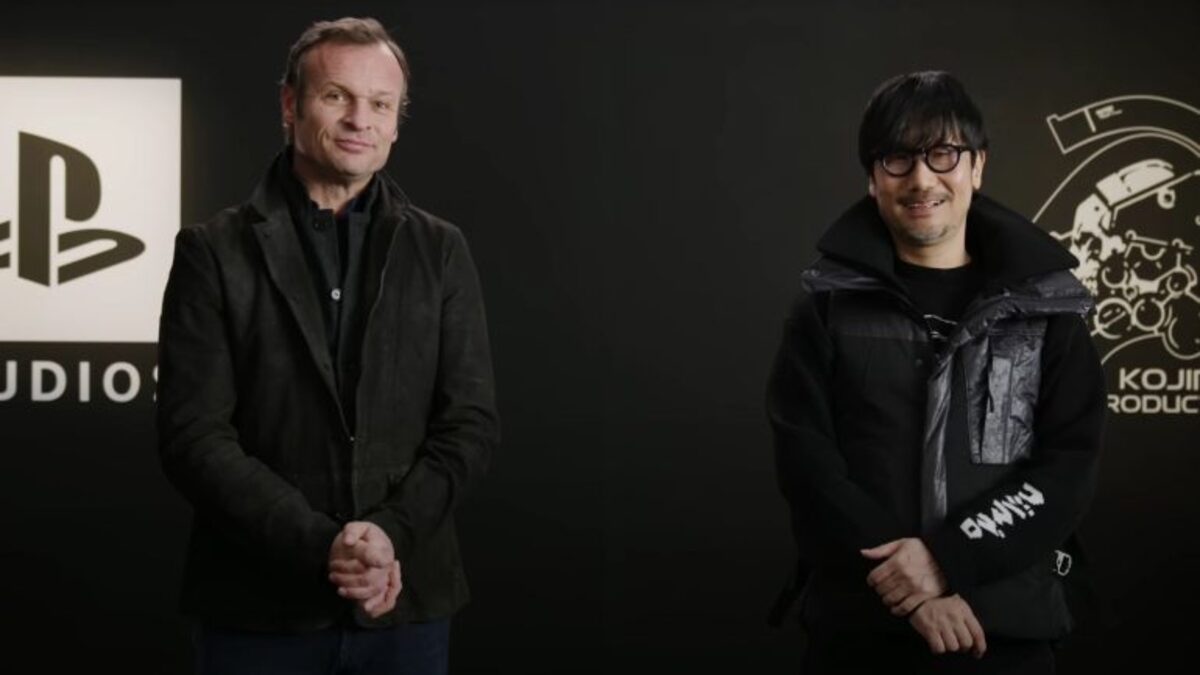
The collapse of Physint at PlayStation didn’t happen as a sudden creative disagreement—it was the culmination of shifting corporate priorities, disappointing sales trajectories, and a widening philosophical divide between Sony and Hideo Kojima. Alinea’s reporting places Death Stranding 2: On the Beach at over 2.5 million copies sold, a respectable figure for an auteur‑driven project but one that failed to match the long‑tail success of the first game. Sony expected a franchise that grew, not one that contracted, and the sequel’s performance became a quiet but influential data point in the background of Physint’s fate.
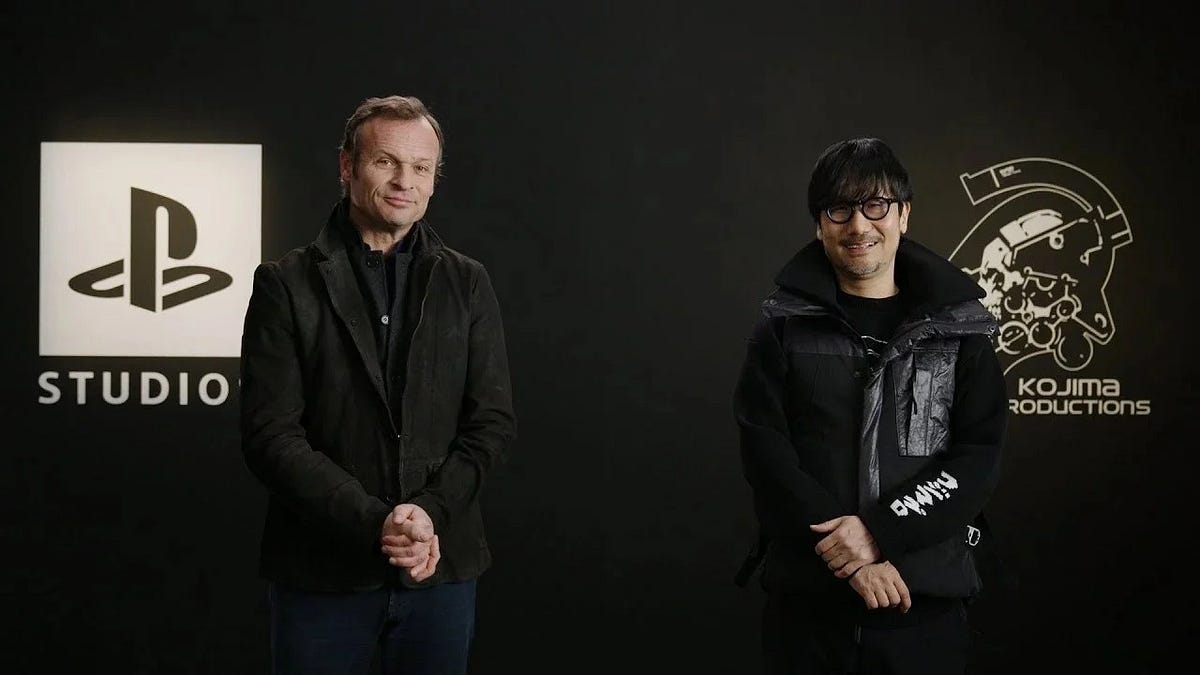
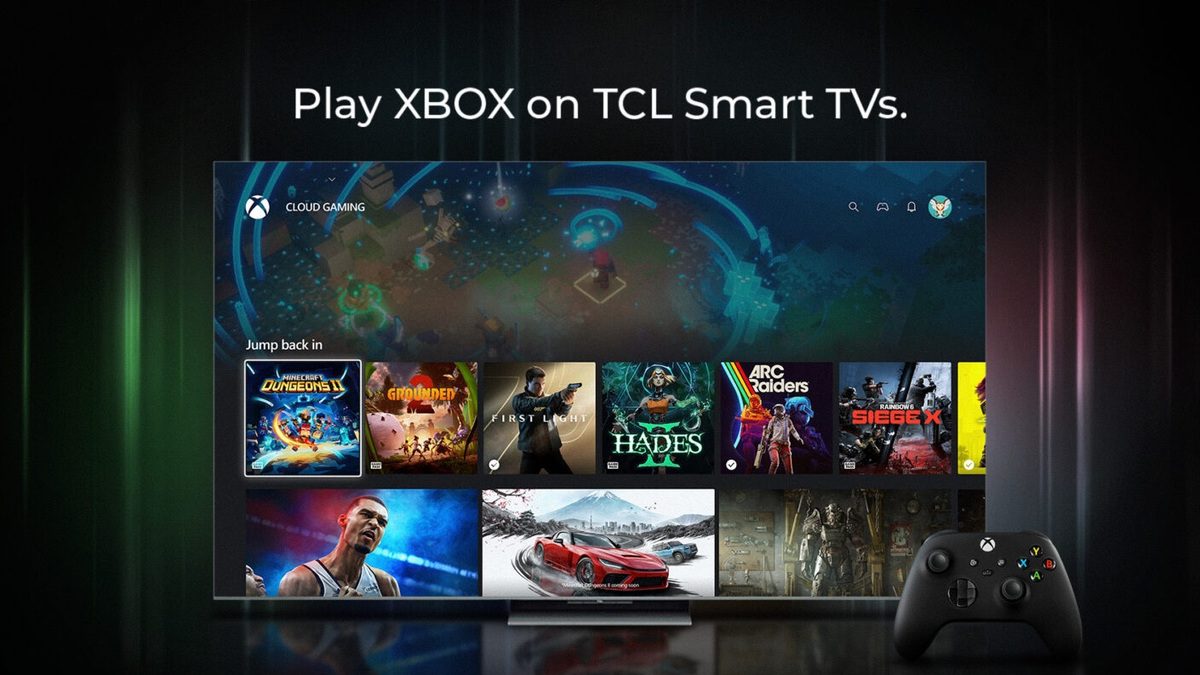
Sony’s internal posture had already changed. The executives who originally championed Kojima’s partnership were gone, replaced by leadership far more cautious about ballooning budgets and long development cycles. Bloomberg’s reporting describes Physint as over budget, behind schedule, and no longer guaranteed to be a permanent PlayStation exclusive, a combination that made the project difficult to justify in a portfolio undergoing cost‑cutting and strategic consolidation. When Sony pulled the plug, Kojima was blindsided, forced into months of negotiations before ultimately finding a new home for the project at Xbox.
Kojima’s Creative Philosophy and the Industry’s Economic Reality
This moment isn’t just about one cancelled game. It’s part of a recurring tension that has followed Kojima for decades: his relationship with time, budget, and the uncompromising pursuit of artistic expression. The rumored reasons behind his departure from Konami—conflicts over the escalating scope and cost of Metal Gear Solid V—mirror the dynamics now resurfacing with Sony. Kojima builds games like films, with cinematic ambition, star‑driven casting, and production timelines that stretch far beyond industry norms. Physint was reportedly tracking toward five to six more years of development, a scale that no longer aligned with Sony’s increasingly risk‑averse strategy.
This is where the theory gains weight. Kojima consistently prioritizes art over the arithmetic of production, and while that philosophy produces singular, culturally resonant works, it also creates friction in an industry where budgets have exploded and timelines have tightened. The modern AAA landscape is unforgiving: even prestige studios are expected to deliver predictable returns, and even visionary creators are expected to operate within corporate constraints. Kojima’s approach—expensive, slow, and unpredictable—clashes with a market that demands efficiency and risk mitigation.
The Future of Auteur‑Driven AAA Games
The irony is that Kojima’s refusal to compromise is precisely what makes his work matter. His games aren’t designed to chase trends; they’re built to challenge them. Yet the industry’s economic realities are shifting faster than its creative ideals, and Physint may be the clearest example of how those forces collide. Sony’s retreat from experimental projects and its renewed focus on safer, more scalable investments leaves little room for the kind of boundary‑pushing work Kojima specializes in.
Xbox, meanwhile, is positioning itself as a home for prestige partnerships—projects that may not be conventional commercial bets but carry cultural weight and ecosystem value. The question is whether Xbox will give Kojima the runway Sony no longer could, or whether even the most visionary creators will eventually be forced to reckon with the constraints of time, budget, and the unforgiving math of blockbuster development.
Kojima’s legacy has always been defined by the tension between art and industry. Physint simply brings that tension into sharper focus, reminding us that the future of auteur‑driven AAA games may depend not just on creative ambition, but on finding publishers willing to embrace the risks that come with it.