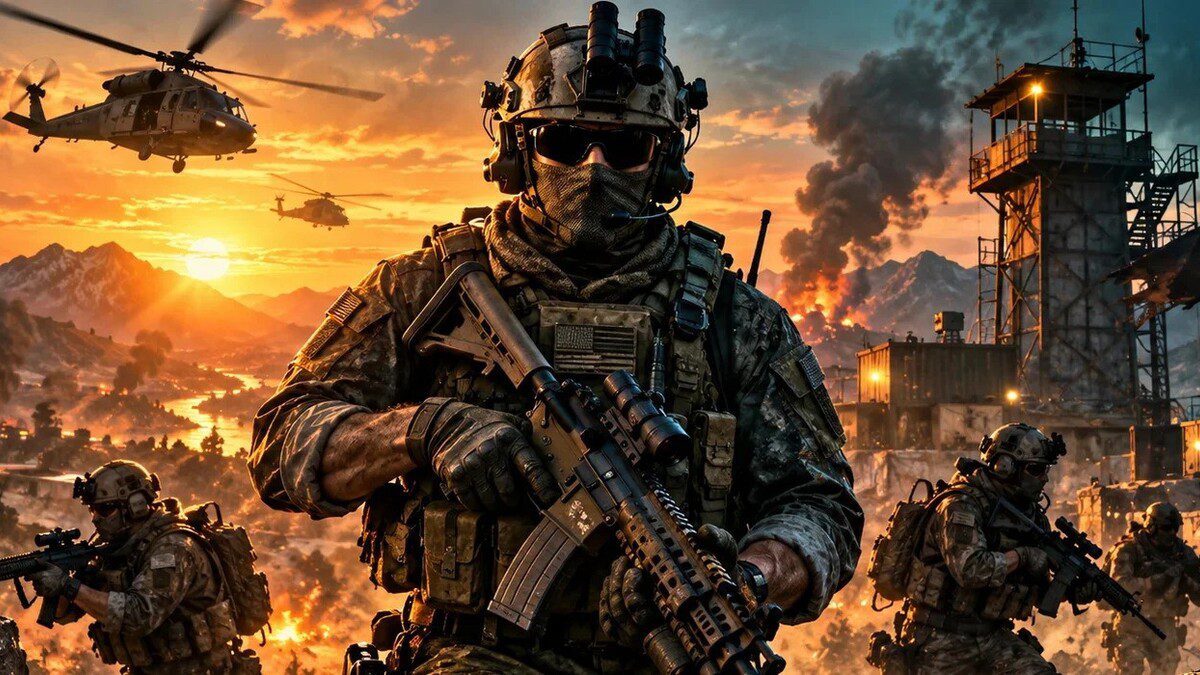
Wardogs CEO David Morin has issued a new public response following a week of escalating backlash over alleged studio crunch practices and internal policies that reportedly included monitoring employees’ social‑media activity. The updated statement, released late Tuesday, attempts to clarify the company’s stance after developers and fans criticized the studio’s earlier messaging as dismissive and overly defensive.
The controversy began when former employees described a pattern of mandatory overtime, unrealistic production timelines, and pressure to maintain public positivity about the studio’s upcoming extraction shooter WarDogs: Frontline. Several workers claimed that management encouraged—or in some cases required—staff to avoid posting negative sentiments about the studio or its leadership on personal accounts.
Morin’s initial response last week framed the allegations as “misunderstandings amplified by social media,” a comment that only intensified criticism. Developers argued that the statement minimized their experiences, while players accused the CEO of attempting to control the narrative rather than address the underlying issues.
A Shift in Tone
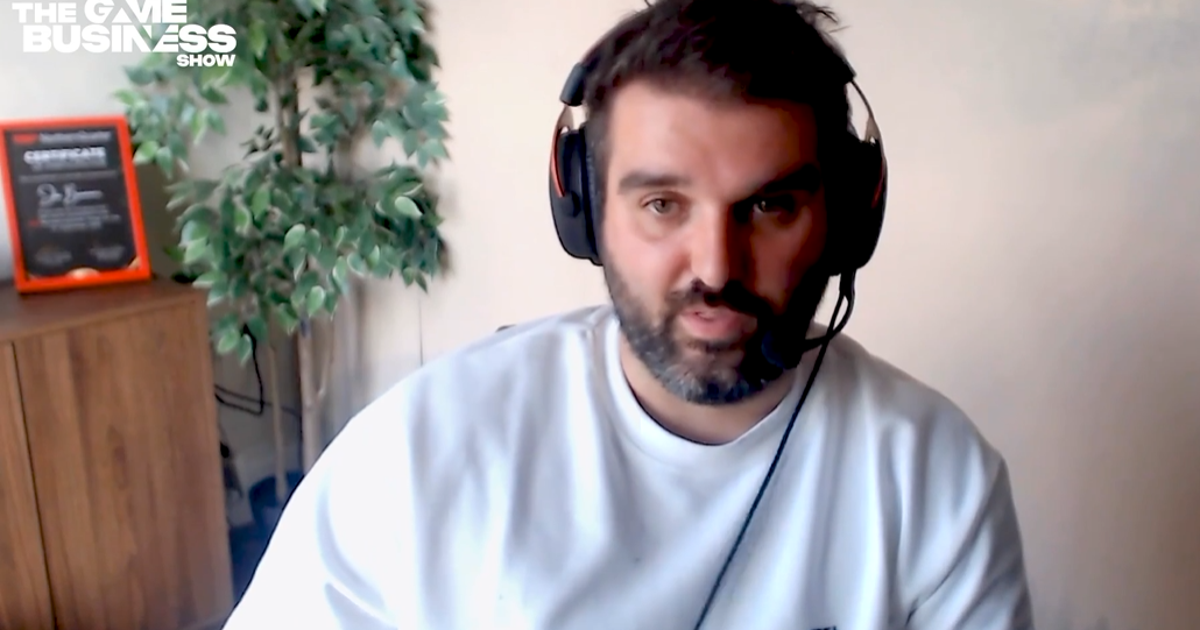
In his new statement, Morin adopts a noticeably different tone, acknowledging that the studio’s communication “fell short” and that concerns raised by employees “deserve serious attention rather than dismissal.”
“We recognize that our previous message did not reflect the empathy or accountability our team deserves,” Morin wrote. “We are committed to reviewing our internal processes, including workload expectations and communication policies, to ensure our studio remains a healthy, transparent, and supportive environment.”
The CEO also denied that Wardogs engaged in “surveillance” of employees’ personal accounts but admitted that leadership had “reviewed public posts when they directly referenced the studio or ongoing projects.” He conceded that the practice “may have created discomfort or confusion” and pledged to establish clearer boundaries.
Developers Push Back
Current and former Wardogs employees responded cautiously to the new statement. Several welcomed the shift in tone but expressed skepticism about whether meaningful change would follow.
One developer, speaking anonymously, said the studio’s culture “has been strained for months,” citing long nights, weekend work, and pressure to meet milestones tied to investor expectations. “Words are good,” the developer said, “but unless the deadlines change, nothing changes.”
Another former staff member argued that the issue wasn’t simply crunch but the normalization of crunch. “It wasn’t framed as an emergency. It was framed as the way things are done here.”
Community Reaction
Players and industry observers have also weighed in. Some praised Morin for acknowledging the missteps, while others criticized the statement as “corporate damage control.” The studio’s subreddit remains divided, with some fans urging patience and others calling for external audits or third‑party HR intervention.
Wardogs’ official Discord server saw moderators temporarily lock several channels after heated debates about workplace conditions and management transparency.
What Happens Next
Morin announced that Wardogs will begin an internal review led by an external HR consultancy, with findings expected later this fall. The studio also plans to implement optional anonymous feedback channels and reevaluate production timelines for WarDogs: Frontline.
Industry analysts note that the controversy arrives at a sensitive moment for the studio, which has been positioning Frontline as its breakout title. Any perception of instability could affect investor confidence and recruitment efforts.
For now, Wardogs faces a familiar crossroads—one that many studios have encountered in recent years as the industry continues to grapple with crunch culture, leadership accountability, and the boundaries between professional and personal digital spaces.
Whether Morin’s new statement marks the beginning of genuine change or simply a pause in the backlash will depend on what the studio does next, not what it says.