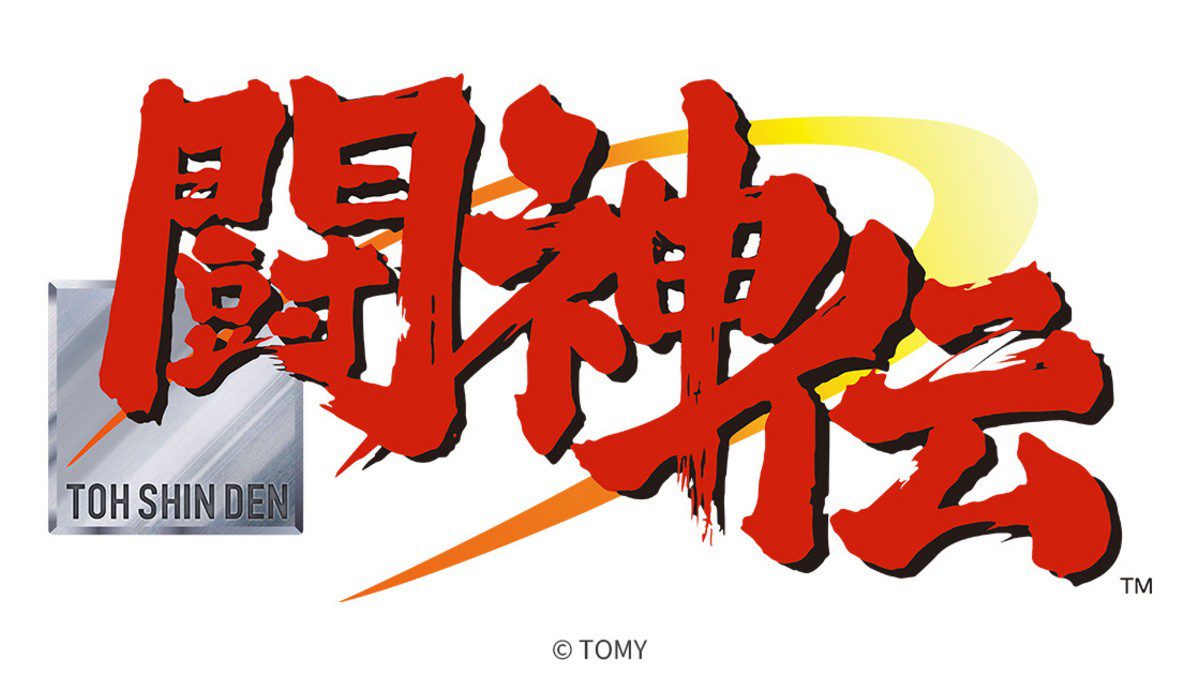
For the first time in decades, Battle Arena Toshinden—once one of the PlayStation’s most visually striking launch-era fighters—is returning to modern platforms. Japanese publisher Edia has formally announced the Toshinden Collection, a three‑game compilation that brings Battle Arena Toshinden (1995), Battle Arena Toshinden 2 (1995), and Battle Arena Toshinden 3 (1996) to contemporary hardware. The reveal, confirmed ahead of the Tokyo Game Show 2026, marks the first major revival of the franchise since the late 1990s.
This new collection is not a remaster, reboot, or reinterpretation—it is a preservation effort. Edia has secured licensing rights from Takara Tomy to port the original PlayStation versions, presenting them as high‑quality retro releases aimed at longtime fans and curious newcomers alike. The company previously announced that these ports are planned for the 2026–2027 fiscal year, aligning with the series’ 30th anniversary.
Why Toshinden Matters: A Brief Historical Context
When the PlayStation launched in Japan, two titles defined its early identity: Ridge Racer and Battle Arena Toshinden. Toshinden’s fully 3D arenas, weapon‑based combat, and dramatic camera sweeps were a technological showcase—so much so that it was frequently compared to Sega’s Virtua Fighter. In visuals, it surpassed Sega’s offering; in gameplay depth, critics were less kind. Still, Toshinden carved out a loyal fanbase and became one of the console’s most recognizable early fighters.
The series expanded quickly, spawning sequels, ports to Saturn, MS‑DOS, and Game Boy, and even a fourth entry that released only in Japan and Europe. But despite its early fame, Toshinden faded as Tekken and Soul Blade reshaped the genre. Edia’s revival is the first meaningful attempt to bring the franchise back into public view.
What’s Included — and What Isn’t
Edia’s collection focuses strictly on the first three PlayStation titles. That means:
- Included: Battle Arena Toshinden, Toshinden 2, Toshinden 3
- Excluded: Toshinden 4, Battle Arena Nitoshinden (PS1), Toshinden Remix (Saturn), Nettōu Tōushinden (Game Boy), and other spin-offs.
This decision has sparked debate among fans—some lamenting the absence of the Game Boy entry, others questioning the omission of Toshinden URA or the Wii-era revival. But Edia appears committed to presenting the core trilogy as originally released, without expanding the scope beyond the foundational titles.
Tokyo Game Show 2026: First Hands-On
The Toshinden Collection will be playable at TGS 2026, though only the first game will be available on the show floor. Edia’s lineup confirms that the collection is also coming to Nintendo Switch 2, marking the first time Toshinden has appeared on a Nintendo platform since the Game Boy era.
Early footage shared by attendees shows the original PS1 visuals preserved faithfully, with support for modern multiplayer setups—including shared-screen play—suggesting that Edia is prioritizing authenticity over reinvention.
A Revival Rooted in Preservation, Not Reinvention
Edia has emphasized that its goal is to deliver high-quality re-releases rather than remakes. The company has built a reputation for porting retro titles with minimal alteration, focusing on stability, accessibility, and platform compatibility. Their press materials highlight a commitment to “bringing this highly-popular series to retro game fans worldwide,” positioning Toshinden as part of a broader strategy to commercialize classic IP.
While platform specifics have not yet been announced, the presence of PS5 trademarks in official documentation strongly suggests Sony platforms will be included. The Switch 2 confirmation further indicates a multi-platform rollout.
What This Means for Fighting Game History
The Toshinden Collection is more than a nostalgia play—it’s a restoration of a missing chapter in 3D fighting game history. For years, Toshinden has been overshadowed by franchises that refined or surpassed its ideas. Yet its influence remains undeniable: weapon-based combat, sidestepping, ring-outs, and cinematic presentation all helped shape the genre’s evolution.
By bringing these games back in their original form, Edia is giving players a chance to revisit the experimental, transitional era of 3D fighters—a time when developers were still discovering what the genre could become.
The Road Ahead
With the collection slated for release between 2026 and 2027, more details—platforms, pricing, enhancements, and bonus features—are expected as Edia finalizes its plans. For now, the Toshinden Collection stands as one of the most intriguing retro revivals of the decade: a return to a series that once helped define the PlayStation’s identity, now resurfacing for a new generation of players.