
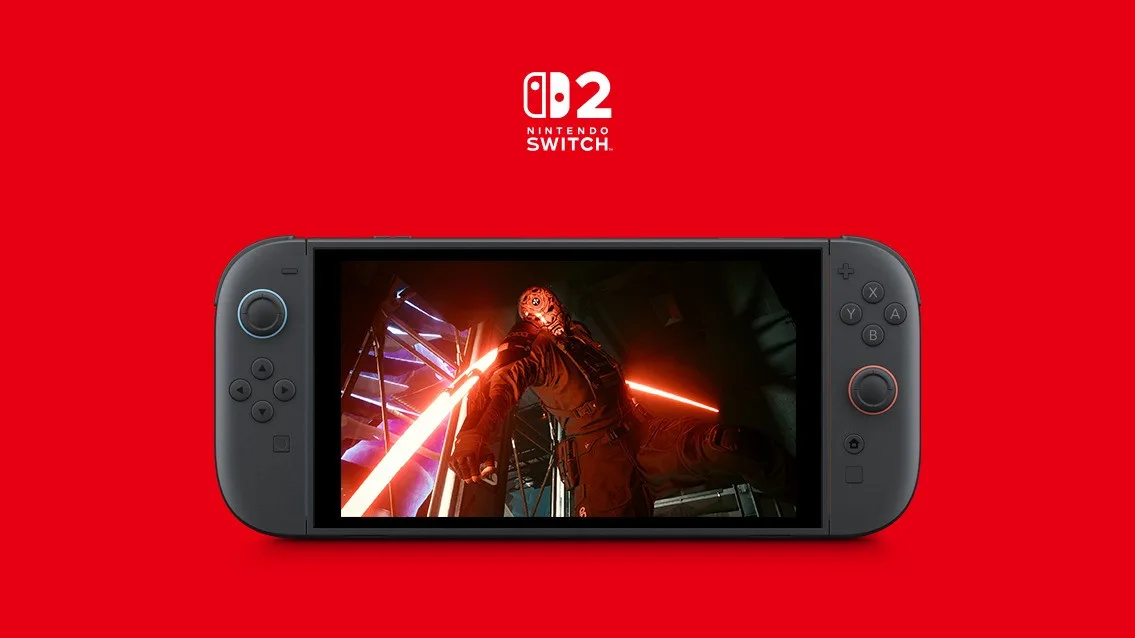
Nintendo’s latest financial results reveal a company navigating one of the most unusual periods in gaming history. While the broader industry continues to battle rising component costs, memory shortages, inflationary pressures, and increasingly expensive hardware, the Nintendo Switch 2 continues to sell at a remarkable pace. At the same time, Nintendo has reassured consumers that another price increase is not currently on the table, offering a rare piece of stability in a market where PlayStation and Xbox hardware pricing has become increasingly volatile.
According to newly released sales data, the Nintendo Switch 2 has now reached 26.35 million units sold worldwide as of September 30, 2026, a milestone achieved in just over a year since launch.
The achievement further strengthens Nintendo’s position as one of the most successful hardware manufacturers in the gaming industry and demonstrates that the company’s hybrid console strategy remains as relevant today as it was when the original Switch launched in 2017.
Nintendo Switch 2 Continues to Outpace Its Legendary Predecessor
Selling more than 26 million units in roughly sixteen months would be considered a success for virtually any platform. What makes the achievement even more impressive is that Nintendo Switch 2 is reportedly still ahead of the sales trajectory established by the original Nintendo Switch during a comparable period.
The latest figures show Nintendo Switch 2 hardware sales standing at 26.35 million units, while software sales have surpassed 73.21 million copies globally.
This software attach rate is particularly important because Nintendo has increasingly transformed into a software-driven business. While hardware introduces consumers into the ecosystem, first-party games ultimately drive profits. The continued success of Mario Kart World, Donkey Kong Bananza, Pokémon Legends: Z-A Nintendo Switch 2 Edition, and other major releases illustrates how Nintendo has successfully converted Switch 2 owners into active software buyers.
Mario Kart World remains the platform’s biggest success story. The title has sold more than 16.48 million units, benefiting from strong critical reception and widespread bundle availability during the console’s launch period.
Even though quarterly hardware sales have naturally slowed following the explosive launch window, Nintendo’s software business remains exceptionally strong, helping offset declines in hardware volume. Nintendo reported Switch 2 software sales of 24.49 million units during the first half of the fiscal year, representing year-over-year growth despite lower hardware shipments.
The Original Switch Is Still Making History
The financial report also highlights another extraordinary achievement. The original Nintendo Switch has now sold 157.20 million units worldwide, placing it within striking distance of the all-time best-selling console record long associated with Sony’s PlayStation 2.
More impressively, software sales for the original Switch have reached nearly 1.6 billion units worldwide, proving that Nintendo’s ecosystem remains healthy even as consumers gradually transition toward newer hardware.
This dual-platform success gives Nintendo a unique advantage. Unlike previous console transitions where older platforms rapidly declined, Nintendo currently benefits from revenue generated by both current and legacy hardware simultaneously.
Backward compatibility has also played a significant role in maintaining software momentum, allowing players to continue purchasing and playing Switch titles on Switch 2.
Nintendo Financial Results Show Strong Profitability
Although some headlines focused on slowing hardware sales, Nintendo’s broader financial report paints a more positive picture.
For the six-month period ending September 2026, Nintendo reported net sales of approximately ¥966 billion. Based on current exchange rates and Nintendo’s own reporting equivalents, that represents roughly $6.1 billion USD in revenue.
Operating profit reached approximately ¥216.5 billion, equivalent to around $1.37 billion USD, representing a substantial year-over-year increase of 49.1 percent.
Ordinary profit climbed to ¥300.6 billion, while net profit reached ¥220.9 billion.
Nintendo attributed part of the improved profitability to its growing software mix, which typically generates significantly higher margins than hardware. Additional benefits came from refunds related to U.S. tariffs that had previously been recorded as costs.
Digital sales also grew dramatically, reaching ¥249.6 billion, while Nintendo’s intellectual property business generated approximately ¥62.7 billion, boosted by continued audience engagement with its entertainment initiatives.
The numbers reinforce a reality that many investors already understand: Nintendo is no longer solely a hardware company. It has evolved into a multifaceted entertainment business built around gaming, digital distribution, licensing, film projects, and mobile initiatives.
Why Nintendo Is Not Planning Another Switch 2 Price Increase
Perhaps the most reassuring news for consumers came during discussions surrounding hardware pricing.
Nintendo President Shuntaro Furukawa stated that the company is not currently considering another Switch 2 price increase. According to reports, Nintendo has secured sufficient memory supplies to maintain current production plans despite ongoing industry-wide shortages.
This announcement arrives at a critical moment.
Across the gaming industry, rising memory costs have forced manufacturers to reevaluate pricing strategies. Sony and Microsoft have both implemented various price increases over the past several years, while Nintendo itself previously increased the Switch 2’s price amid worsening component costs.
The surge in AI infrastructure spending has created intense competition for memory resources. Data centers powering artificial intelligence platforms have become major buyers of advanced memory technologies, increasing costs throughout the broader technology sector.
For Nintendo, securing memory supply appears to have reduced immediate concerns.
The company continues to forecast total Switch 2 sales of 16.5 million units for the fiscal year ending March 2027 and remains confident that current production capabilities are sufficient to meet demand.
That confidence likely explains why management sees no need for additional pricing adjustments despite broader market pressures.
The Bigger Picture for Nintendo’s Future
The most significant takeaway from Nintendo’s latest earnings may not be the impressive 26.35 million hardware figure by itself. Instead, it is the combination of strong hardware adoption, growing software revenue, stable pricing, and increasing profitability.
Many companies struggle during the transition from one console generation to the next. Nintendo appears to have avoided that trap entirely.
Switch 2 continues to grow its install base, first-party titles are selling millions of copies, the original Switch remains a revenue contributor, and consumers now have greater confidence that hardware pricing will remain stable in the near term.
For Nintendo fans, that creates a favorable environment heading into the next wave of major releases. For investors, it demonstrates that the company’s hybrid strategy remains one of the smartest business decisions in gaming history.
More than nine years after the original Switch changed Nintendo’s fortunes, its successor is proving that the company has no intention of stepping away from a formula that continues to deliver extraordinary results. With over 26 million Switch 2 consoles already in players’ hands and software sales accelerating, Nintendo’s momentum remains difficult to ignore.

