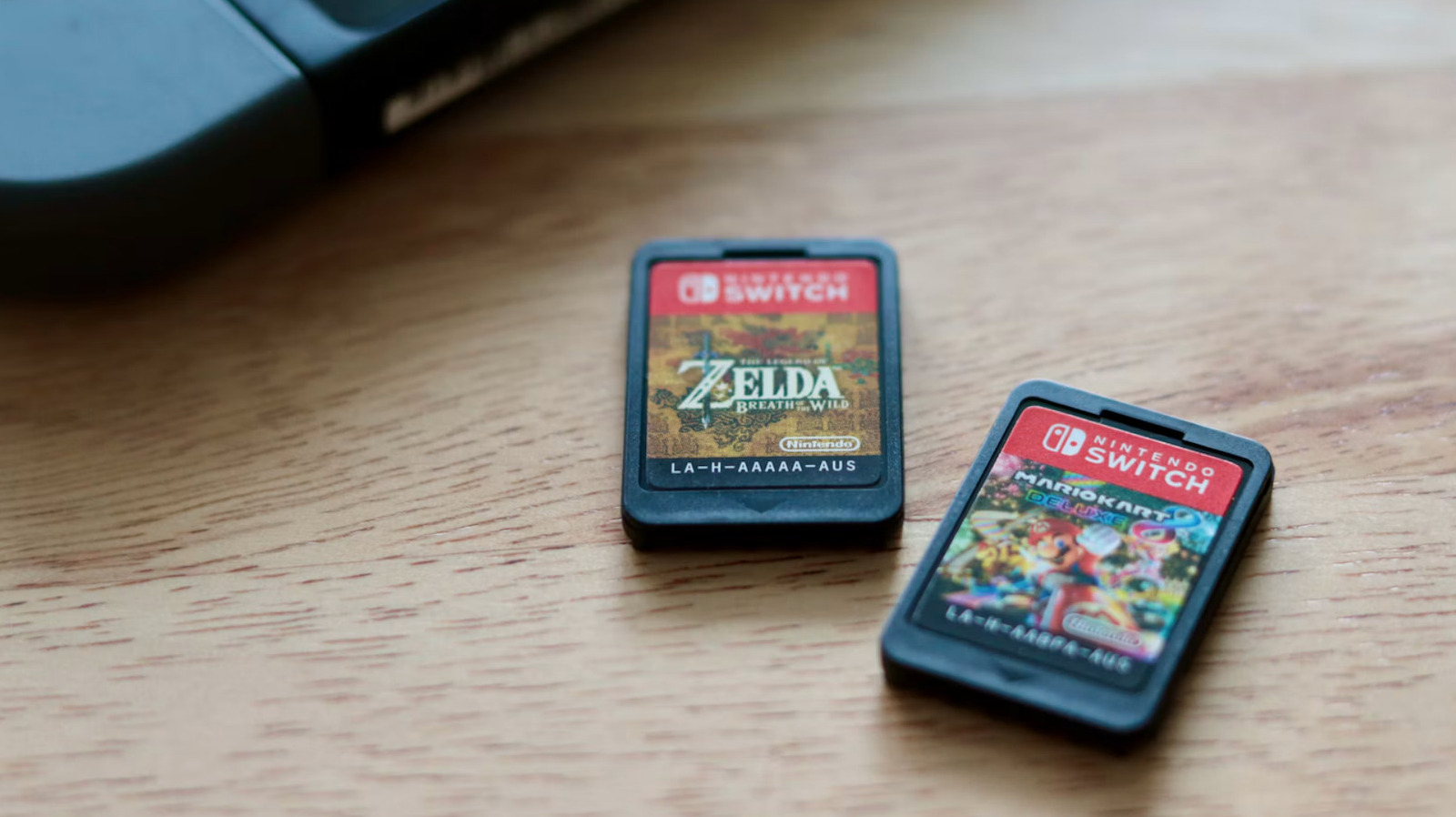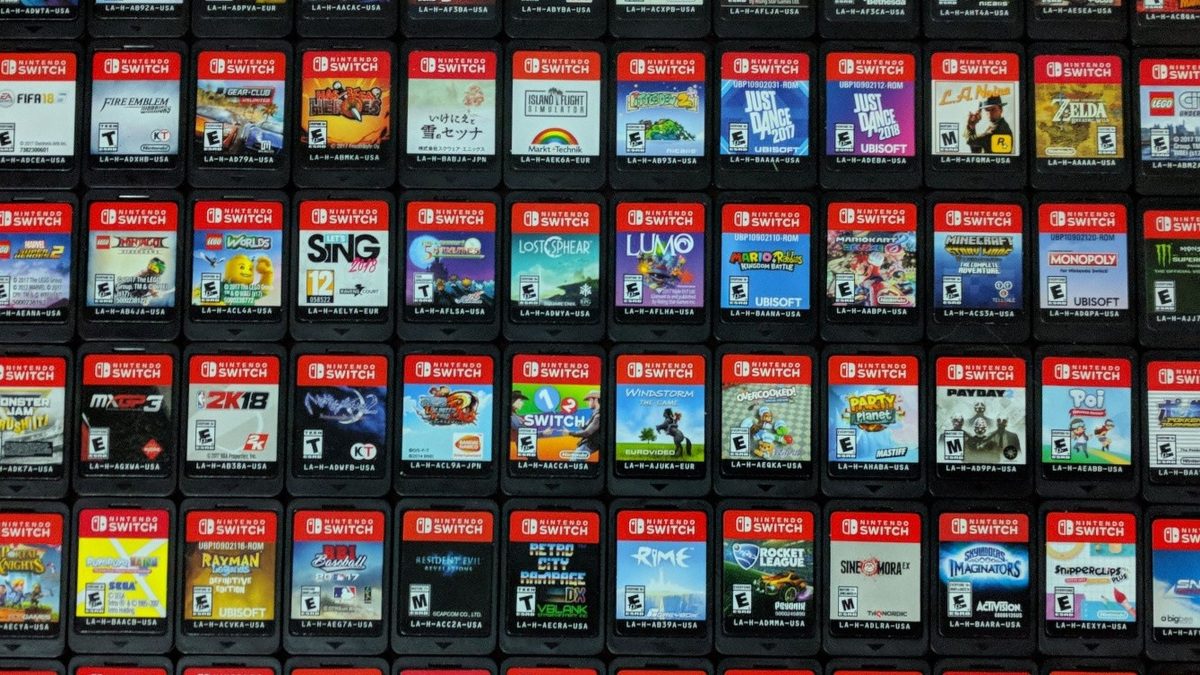
Nintendo Switch cartridges are facing a new challenge as longtime memory supplier Macronix begins phasing out its ROM business. While Nintendo insists it remains committed to physical games, the move arrives at a time when physical media across the gaming industry is under greater pressure than ever before.
Nintendo Loses a Key Switch Cartridge Supplier
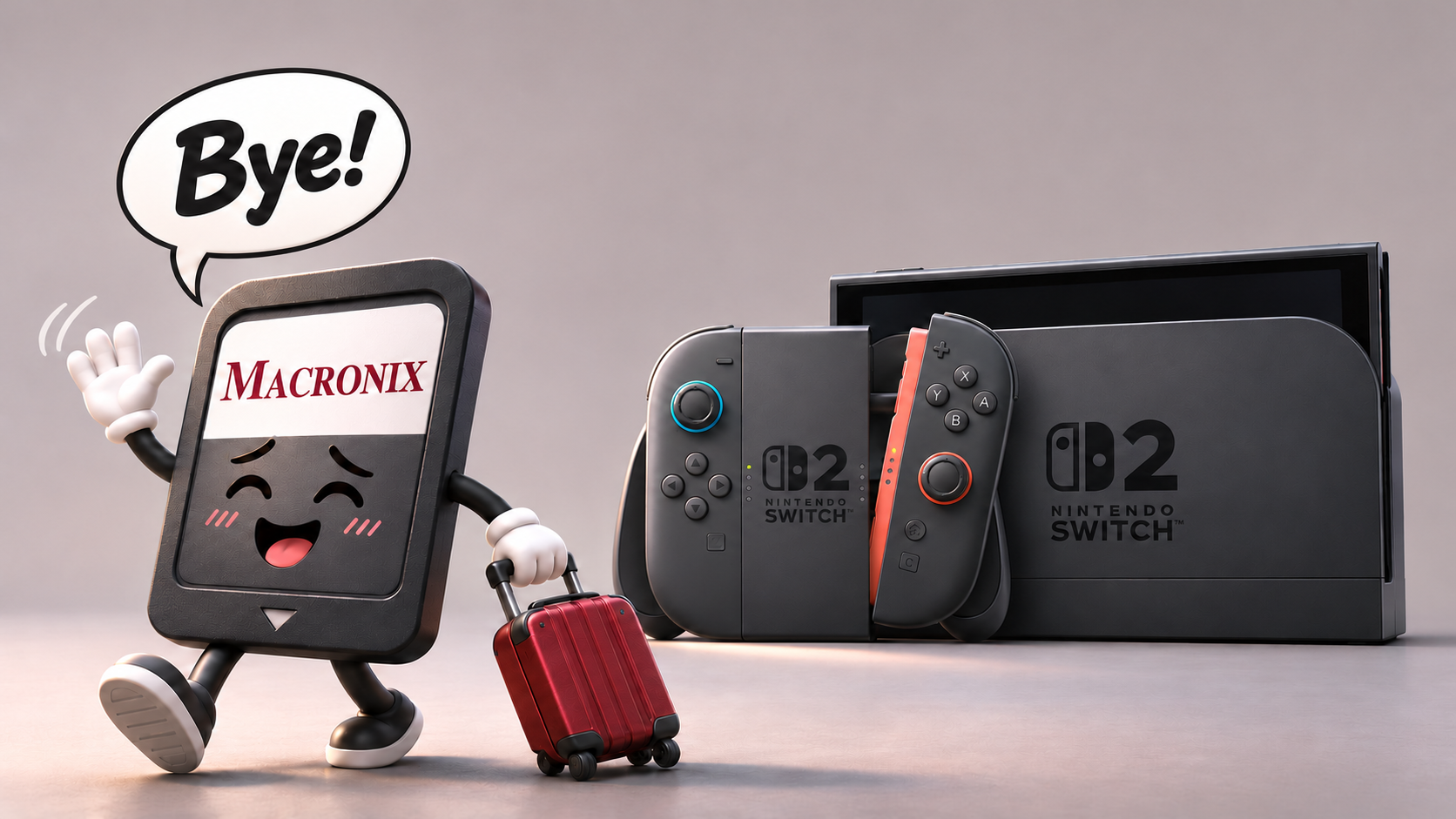
Nintendo’s position as one of the strongest defenders of physical game releases is facing another unexpected obstacle. According to reports highlighted by many outlets, Taiwanese memory manufacturer Macronix, a major supplier of ROM chips used in Nintendo Switch game cartridges, is gradually exiting the ROM business to focus on more profitable memory products used in data centers and AI infrastructure. Macronix confirmed the strategic shift during its latest earnings call, citing booming demand for NOR flash memory and NAND solutions driven by growing data center expansion. ROM revenue reportedly dropped 39% year-over-year, while other memory segments experienced explosive growth.
For Nintendo fans, this may sound like a niche semiconductor story. In reality, it reflects a much broader trend that has been quietly threatening physical gaming for years.
Why Macronix Is Walking Away
The reason is simple: money.
Physical game cartridges represent a shrinking portion of the memory market. According to statements reported from Macronix’s earnings presentation, ROM products now account for only a small fraction of the company’s overall business, while demand for memory products powering cloud services, artificial intelligence platforms, and massive data centers continues to surge.
As companies worldwide compete to supply the AI boom, manufacturers are directing resources toward products with significantly higher profit margins.
From a business perspective, Macronix’s decision makes perfect sense.
From a gaming preservation perspective, it is alarming.
Nintendo Still Supports Physical Games
Before panic sets in among collectors, there is an important detail.
Nintendo has publicly stated that it has“no plans” to abandon physical games, maintaining a position that increasingly separates it from competitors in the console market. Physical software still represents a meaningful portion of Nintendo’s game sales, accounting for 38.5 percent of software purchases according to recent company figures cited by The Verge.
Nintendo also does not rely exclusively on Macronix. Other suppliers continue to manufacture components used in Switch cartridges, meaning physical releases are not disappearing overnight. Multiple industry reports indicate alternative suppliers remain available to meet Nintendo’s production needs.
Still, losing one of the industry’s most established cartridge memory providers creates new uncertainty for future production capacity and potentially higher manufacturing costs.
A Warning Sign for Physical Media
The Macronix story matters because it highlights a larger reality.
Physical media is currently facing perhaps its greatest threat since digital distribution became mainstream.
Across the gaming industry, publishers are pushing consumers toward digital ecosystems.
Sony has already announced plans to gradually end physical PlayStation disc production beginning in 2028, while digital purchases dominate PlayStation software sales. Microsoft has moved even further toward a digital-first strategy, with Xbox software sales overwhelmingly occurring through digital channels.
Meanwhile, Nintendo itself has introduced controversial Game-Key Cards on Switch 2, products that look like physical cartridges but primarily function as download authentication keys instead of containing the full game data.
For collectors, this trend represents a significant shift.
Owning a physical box no longer guarantees ownership of a complete game.
The Decline of True Physical Ownership
For decades, buying a video game meant owning a complete product.
A cartridge for the NES, Nintendo 64, Game Boy, DS, or original Switch contained the actual software. Players could insert it years later and instantly access the game regardless of servers, account systems, or licensing agreements.
Modern gaming looks very different.
Many physical releases now require massive downloads, day-one patches, online verification, or additional content stored elsewhere. Some “physical” products barely contain any playable data at all.
The gradual disappearance of ROM production reflects the shrinking importance of traditional game storage in an industry increasingly built around cloud infrastructure and digital ecosystems.
As manufacturing priorities shift toward AI and enterprise computing, physical gaming media risks becoming a niche market served by fewer suppliers and potentially higher costs.
Why Collectors Should Pay Attention
The immediate impact of Macronix’s decision may be minimal.
Nintendo will continue releasing physical games. Switch cartridges will continue being manufactured. Stores will continue stocking boxed titles.
The long-term implications, however, are more significant.
Fewer cartridge suppliers could eventually mean:
- Higher manufacturing costs.
- Increased reliance on digital distribution.
- More Game-Key Card releases.
- Smaller production runs for physical editions.
- Greater challenges for game preservation.
That does not mean physical gaming is dead.
But it does mean another piece of the infrastructure supporting physical ownership is disappearing.
Nintendo Remains the Last Major Champion of Physical Games
Ironically, Nintendo may now stand as the strongest remaining advocate for physical media among the major console manufacturers.
The company continues to support cartridges across its hardware ecosystem and maintains a higher ratio of physical sales than many competitors. Even as digital revenue grows, Nintendo recognizes that collectors, families, retailers, and preservation advocates still value tangible game ownership.
That commitment may become increasingly important as the rest of the industry moves toward subscription services, cloud gaming, and digital-only distribution models.
Final Thoughts
Macronix leaving the ROM business is not the end of Nintendo Switch cartridges. It is, however, another reminder that the foundations supporting physical gaming are slowly eroding.
The same forces reshaping the technology industry through AI, cloud computing, and data center expansion are now affecting the production of game cartridges. A supplier that once helped power Nintendo’s physical game ecosystem now sees far greater opportunity elsewhere.
Nintendo remains committed to physical releases, but the industry’s direction is obvious.
As digital sales continue to dominate and manufacturers prioritize more profitable technologies, physical media is entering its most vulnerable period in gaming history.
For collectors, preservationists, and players who still enjoy opening a box and inserting a cartridge, the Macronix announcement is more than business news.
It is another warning that physical ownership is becoming increasingly rare in the modern gaming landscape.