For decades, Nintendo has been one of gaming’s most influential companies, helping shape the industry through iconic hardware and franchises such as Mario, The Legend of Zelda, Metroid, Donkey Kong, Pikmin, and Animal Crossing. Yet like much of the video game industry, Nintendo now faces a challenge that goes beyond creating new games: preserving its past.
According to a recently discovered Nintendo of America job listing, the company is seeking a Digital Archivist, Historical Systems, a role dedicated to safeguarding historical hardware and software information, engineering documentation, institutional knowledge, and other records tied to Nintendo’s legacy platforms. The position is designed to ensure historical information remains accessible, discoverable, and preserved for future generations.
While this may sound like a routine corporate hiring effort on the surface, it could represent something much larger. At a time when digital storefronts are disappearing, physical media faces increasing uncertainty, and countless classic games remain inaccessible, Nintendo’s move highlights the growing importance of video game preservation across the entire industry.
Nintendo Appears Serious About Preserving Its Legacy
The archivist role goes far beyond storing old documents in filing cabinets. According to Nintendo’s job description, the successful candidate will create metadata standards, develop classification systems, organize historical engineering records, and build a searchable digital repository of information related to legacy Nintendo systems. The archivist will also collaborate with engineering, legal, research, business, and product development teams.
Perhaps even more interesting is Nintendo’s plan to conduct interviews with long-serving employees and subject matter experts, transforming decades of informal knowledge into structured documentation.
That part is especially important because preservation is not just about preserving software. Many of the stories, technical decisions, development methodologies, and hardware innovations behind classic games often live only in the memories of veteran developers. Once those employees retire, a significant piece of gaming history can disappear forever.
Nintendo appears to recognize that preserving knowledge is just as valuable as preserving source code.
Video Game Preservation Is Reaching a Critical Point
The need for preservation has become increasingly urgent over the last decade.
Gaming differs from films, books, and music because access to older titles often depends on specific hardware, operating systems, proprietary storefronts, and licensing agreements. When any of those elements disappear, entire libraries can effectively vanish from public access.
The closure of digital storefronts has amplified these concerns. Nintendo itself drew criticism when the Wii U and Nintendo 3DS eShops were discontinued, reducing legal access to hundreds of digital releases. Preservation groups argued that the decision further endangered gaming history.
Modern gaming’s shift toward digital distribution makes the challenge even greater.
Unlike a physical cartridge or disc that can survive for decades when stored properly, digital products rely on infrastructure that must be maintained continuously. Servers shut down. Licenses expire. Operating systems evolve. Companies merge, collapse, or change priorities.
Without organized preservation efforts, significant portions of gaming history risk being lost.
Physical Media Remains a Critical Part of Preservation
Nintendo’s archivist role focuses heavily on digital documentation, but its existence inevitably reignites an important debate: the value of physical media.
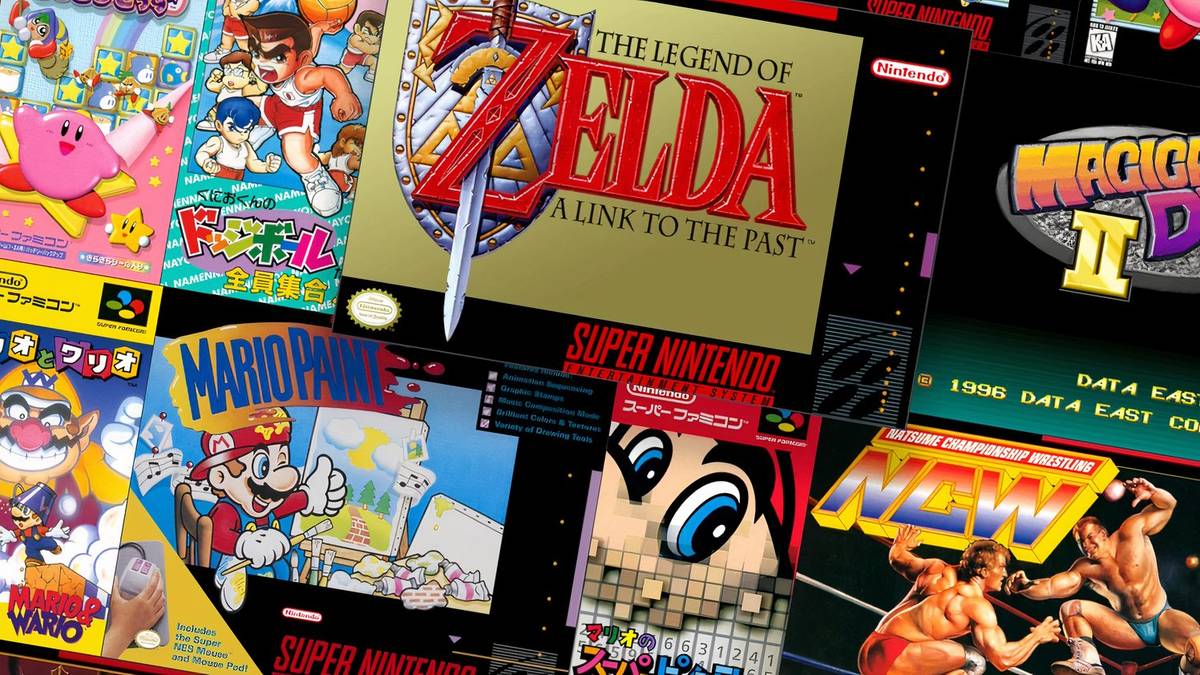
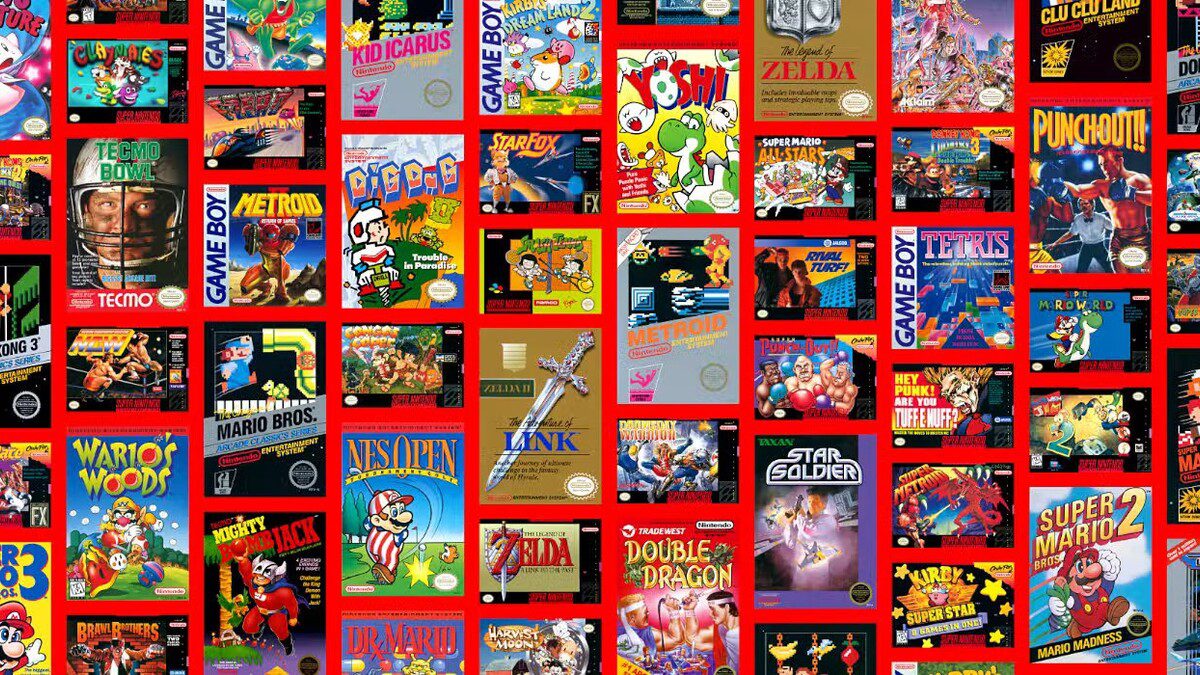
For generations, cartridges and discs have served as unofficial preservation tools. A Nintendo Entertainment System cartridge from the 1980s can still function today. A Game Boy game found at a flea market can often be played immediately without needing internet access or authentication servers.
Physical media provides something increasingly rare in modern gaming: permanence.
When players own a physical copy of a game, they generally retain access regardless of business decisions affecting digital storefronts.
This doesn’t make physical preservation perfect. Hardware degrades. Batteries fail. Optical media can deteriorate. Yet physical copies continue providing access long after many digital services have disappeared.
Nintendo is one of the few major publishers that has largely maintained strong support for physical releases even as competitors increasingly emphasize digital ecosystems. That commitment has helped preserve large portions of its software history, whether intentionally or not.
Preservation Is About More Than Playing Old Games
One misconception surrounding game preservation is that it only concerns making old games playable.
True preservation involves much more.
Source code reveals how games were created. Technical documentation explains hardware limitations and engineering decisions. Concept art showcases creative evolution. Production notes document industry history.
Nintendo’s archivist position specifically references preserving engineering documentation, technical records, historical source materials, and institutional knowledge.
These materials can become invaluable decades later.
A preserved archive can support remasters, remakes, anniversary collections, documentary projects, museum exhibitions, academic research, and future hardware development. It can also help engineers understand how legacy systems functioned, ensuring important technical knowledge remains available.
In other words, preservation protects not only games themselves but also the stories behind them.
What This Could Mean for Nintendo’s Future
It is important to note that Nintendo’s archivist hiring does not automatically mean fans should expect a flood of retro releases or public archives.
The job listing focuses on internal preservation efforts rather than public accessibility.
However, the long-term implications could still be significant.
Well-organized archives make it easier to research legacy platforms, recover historical assets, verify information, and revisit older projects. Such work can support future remasters, rereleases, museum collaborations, documentaries, and anniversary celebrations.
Nintendo has one of the largest and most influential catalogs in gaming history. Preserving that legacy today could unlock opportunities far beyond what the company currently has planned.
An Industry Trend That Is Finally Gaining Momentum
Nintendo is not alone in recognizing the value of preservation.
Over the past several years, more publishers have started investing in internal archives and preservation initiatives. The growing recognition reflects a reality many enthusiasts have argued for years: video games are cultural artifacts deserving the same level of preservation as books, films, and music.
As gaming approaches its sixth decade as a mainstream entertainment medium, companies can no longer afford to treat their own history as expendable.
Every development document, prototype, source file, design sketch, and oral history helps tell the story of how the industry evolved.
Nintendo’s decision to recruit a dedicated archivist may seem like a small headline today, but it represents a noteworthy acknowledgment that preserving gaming history matters.
And in a future increasingly dependent on digital ecosystems, preserving that history may require something many publishers have overlooked for years: respecting both digital archives and physical media as complementary pillars of long-term game preservation.