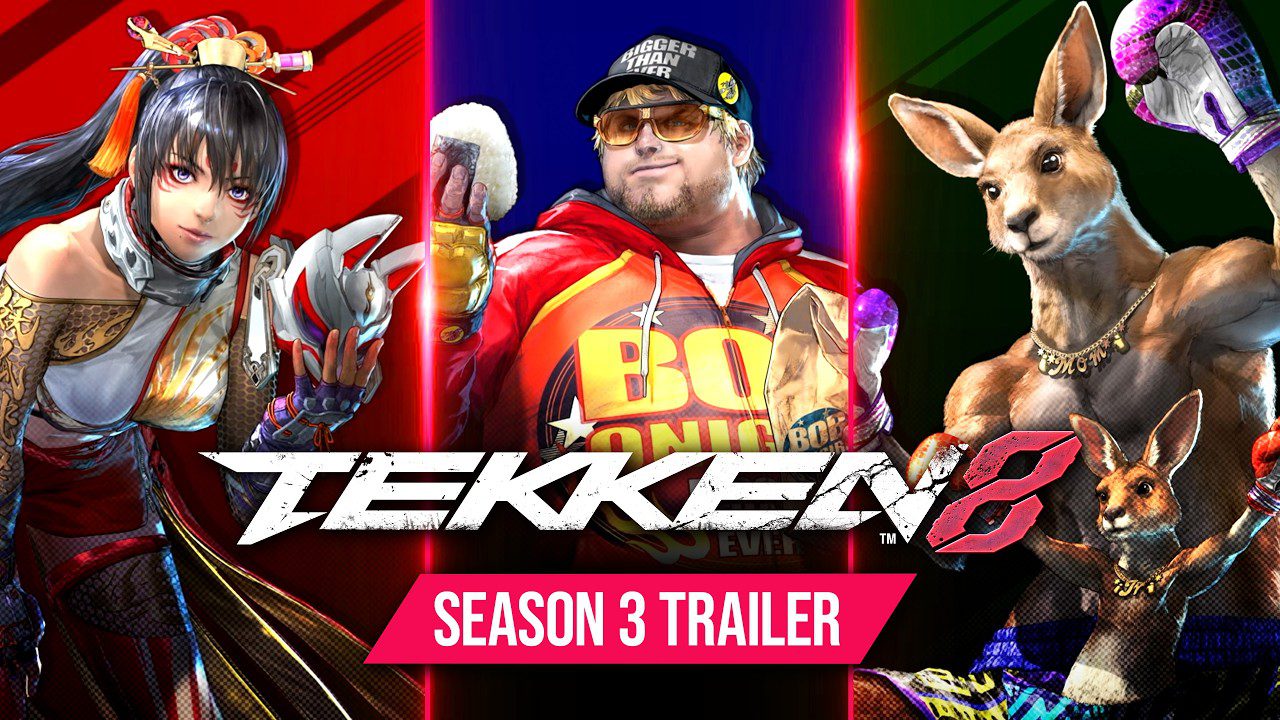
Tekken 8’s new Season 3 trailer marks a quiet but historic turning point for the franchise: it is the first major piece of Tekken content released without Katsuhiro Harada’s direct involvement, and the shift is already shaping the tone, pacing, and creative direction of the series.
Bandai Namco dropped the Tekken 8 – Season 3 trailer with the familiar promise of “Back to the fight. Back to basics,” but beneath the surface, this update represents something far more significant than new characters or balance changes. For the first time in Tekken’s 30-year history, the franchise is moving forward without the guiding presence of Katsuhiro Harada—the man who shaped its identity from the original PlayStation era to the modern esports stage.
Harada’s absence isn’t framed as a dramatic departure. There’s no farewell message, no public handoff, no ceremonial passing of the Mishima headband. Instead, the trailer simply arrives—clean, confident, and focused on gameplay—signaling that Tekken’s future is now in the hands of a new generation of developers who grew up under Harada’s design philosophy.
The Backstory: How We Got Here
Tekken’s development lineage has always been unusually stable. Harada wasn’t just a producer; he was the face of the franchise, the voice of its community interactions, and the architect of its tone—equal parts serious martial arts drama and self‑aware absurdity. His leadership shaped everything from character archetypes to the series’ famously tight input feel.
But over the last few years, Harada’s role at Bandai Namco expanded beyond Tekken. He moved into broader corporate responsibilities, overseeing multiple projects and internal initiatives. As Tekken 8 launched, it became increasingly clear that day‑to‑day creative control was shifting toward Michael Murray and the internal combat design team. Season 3 is the first major update created entirely under this new structure.
That context matters, because Tekken has never existed without Harada’s fingerprints—until now.
What the Trailer Reveals About the New Direction
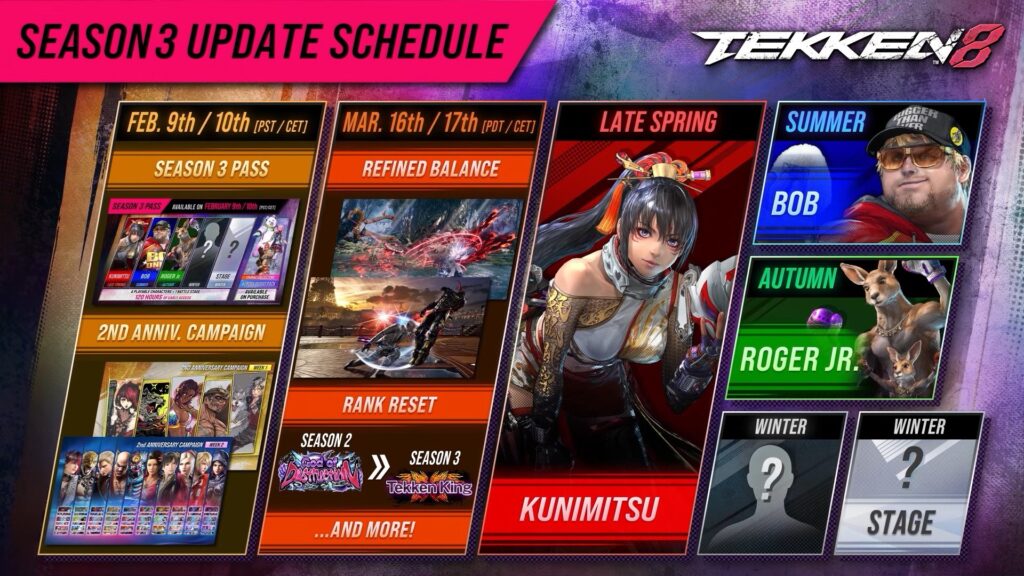
The Season 3 trailer focuses heavily on fundamentals: movement, spacing, and a recalibration of the aggressive systems that defined Tekken 8’s launch. The tone is more grounded, less theatrical, and more reminiscent of Tekken Tag Tournament 2’s competitive philosophy. That alone signals a philosophical pivot.
The pacing of the trailer is also different. Instead of Harada’s signature hype‑driven presentation, the reveal feels more methodical, almost surgical. It’s a showcase of mechanics rather than personality—a subtle but unmistakable shift in how Tekken communicates with its audience.
Even the tagline, “Back to basics,” reads like a mission statement from a team eager to reassert Tekken’s identity on their own terms.
Why This Moment Matters
Tekken has always evolved, but it has never changed hands. Season 3 is the first time the franchise is being steered by a team that grew up in Tekken rather than creating it. That generational shift brings both risk and opportunity.
The risk: losing the eccentric charm and bold creative instincts that Harada embodied.
The opportunity: a fresh competitive vision, modernized systems, and a more collaborative development culture.
Season 3 feels like the first chapter of that new era—respectful of the past, but no longer defined by it.
A Franchise Standing on Its Own Feet
What makes this trailer historic isn’t just the content—it’s the confidence. Tekken 8 Season 3 doesn’t try to imitate Harada’s voice or style. It doesn’t lean on nostalgia or legacy. It simply presents Tekken as it is now: a mature, evolving fighting game shaped by a team ready to take ownership of its future.
For longtime fans, this moment may feel surreal. For the developers, it’s a milestone. And for the franchise, it’s the beginning of a new identity—one built on the foundation Harada created, but no longer dependent on it.