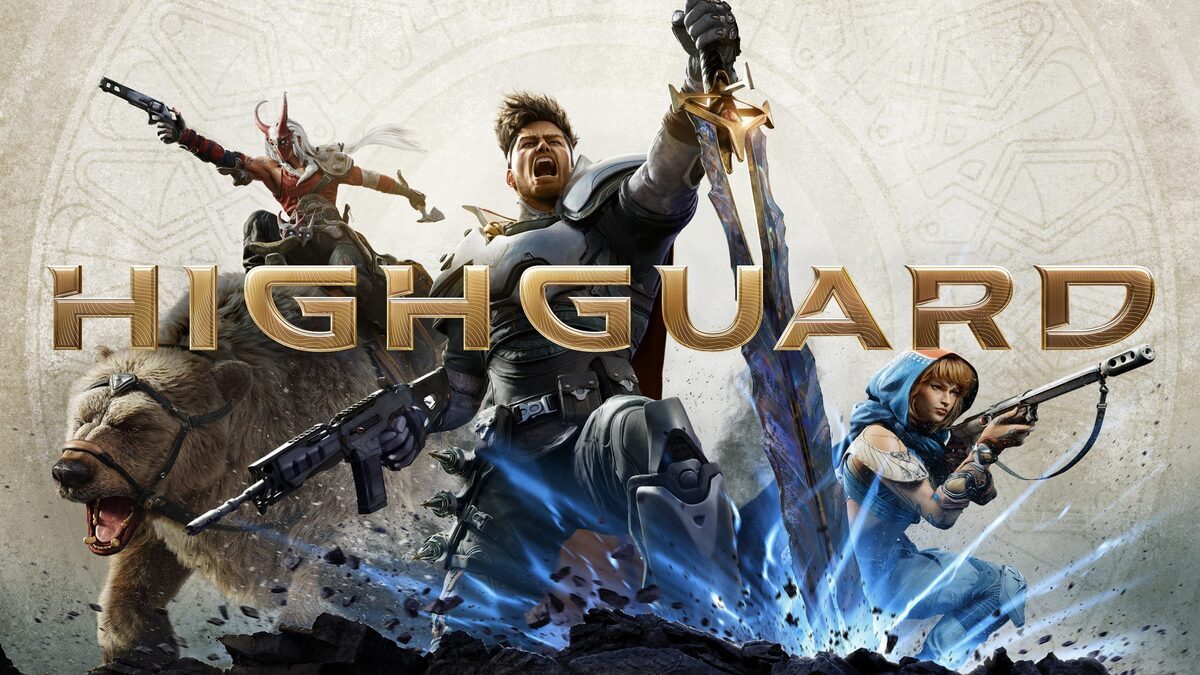
Wildlight Entertainment, the studio behind Highguard, has been hit with major layoffs—an abrupt and troubling turn for a team that had only just launched its debut title. Senior level designer Alex Graner publicly confirmed that he and “most of the team at Wildlight” were let go on February 11, noting that a significant amount of unreleased content had been in development and was never shown to players.
This development lands at a delicate moment for both the studio and the game.
A Brief Backstory: From Surprise Reveal to a Rocky Launch
Highguard arrived on January 26 after being positioned as a high‑profile new IP. Its reveal closed the 2025 Game Awards—an enviable spotlight that set expectations high. But after that moment, communication from the studio went quiet. There were no major dev diaries, previews, or community‑building efforts leading up to release.
That silence created a vacuum. Players didn’t know what to expect, and critics had little to analyze before launch. When the game finally dropped, the reception was harsh: Steam reviews skewed mostly negative from day one. Performance issues, unclear progression systems, and a lack of content depth were common complaints. Wildlight attempted to stabilize the situation with updates, new modes, and limited‑time events, but the momentum never shifted.
The Layoffs: A Studio in Crisis
Less than a month after launch, the layoffs hit. Graner’s comments suggest the cuts were sweeping, affecting the majority of the development team. The mention of “a lot of unreleased content” hints at a roadmap that may now be impossible to deliver.
For a live game—especially one struggling to win back players—losing most of the team is a severe blow. It raises immediate questions about:
- Whether Highguard can sustain updates
- How much of the planned content will ever see release
- Whether the studio itself can continue operating in its current form
What This Means for Highguard Going Forward
The timing of the layoffs suggests internal pressure, likely tied to the game’s early performance. A debut title that launches to negative reviews and low engagement can put a young studio in a precarious financial position. Without a full team, maintaining a live service cadence becomes extremely difficult.
While Wildlight has not issued a public statement at the time of reporting, the situation strongly implies a pivot—or a shutdown—of active development.
The Bigger Picture
Highguard’s trajectory reflects a growing pattern in the industry: ambitious new IPs launched with high expectations but insufficient runway. The gap between reveal hype and actual community‑building hurt the game early, and the layoffs now cast doubt on its long‑term viability.
If Wildlight had more time, more communication, or more post‑launch stability, the unreleased content Graner mentioned might have reshaped the game’s reputation. Instead, the studio faces an uncertain future, and Highguard risks becoming another cautionary tale about the volatility of modern game development.