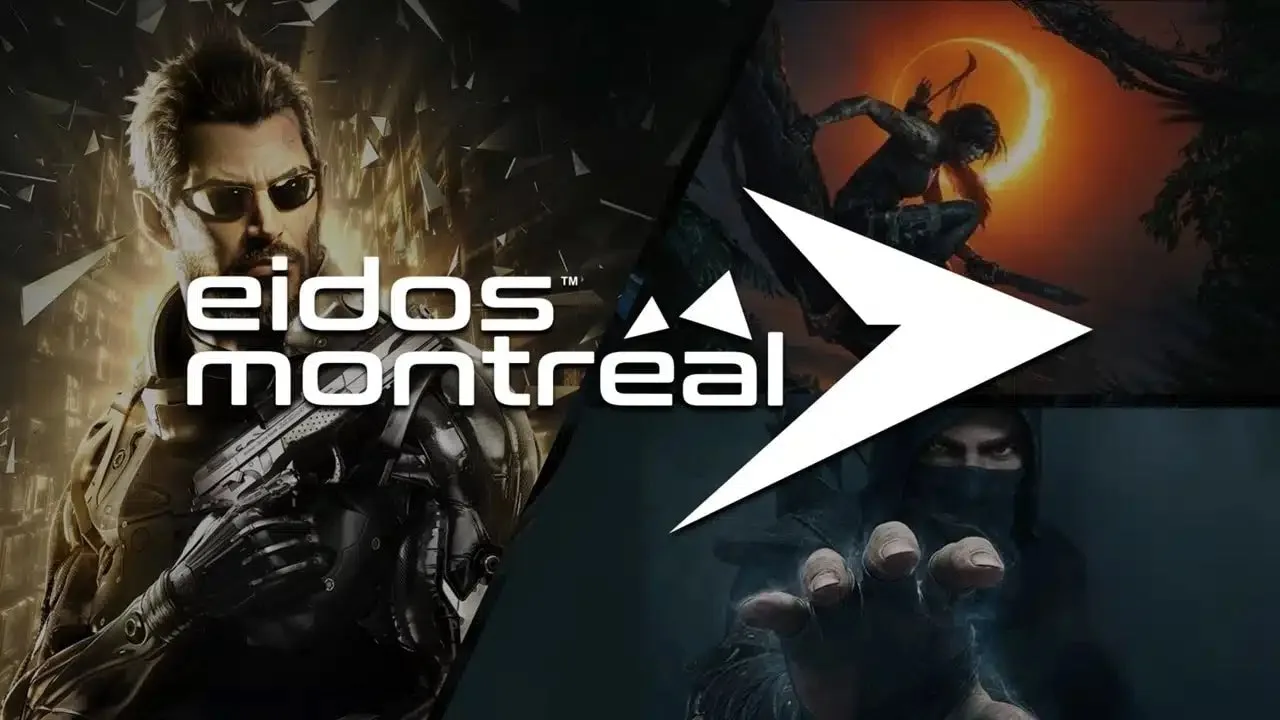
For the developers at Eidos Montréal, the news hit like a punch to the chest: Wildlands, a project quietly in development since early 2019, has been canceled—despite being nearly complete. The decision, confirmed through internal sources and first reported by Insider Gaming, triggered another round of layoffs at the studio and closed the book on a game that had already consumed hundreds of millions of dollars and seven years of creative labor.
But to understand why Wildlands died so close to the finish line, you have to understand the storm Eidos Montréal has been living in ever since Embracer Group acquired the studio in 2022. What happened this week isn’t an isolated event. It’s the culmination of years of instability, shifting priorities, and corporate misfires that have defined Embracer’s stewardship of its Western studios.
A Game That Survived Everything—Except Its Own Publisher
Internally known as “P11” as per Insider Gaming, Wildlands was envisioned as a sweeping open‑world third‑person adventure centered on a teenager named River, part of a group called the Spiritbounds—youths capable of warding off malevolent spirits using magical staffs and riding mythical creatures. River’s companion, a massive moose‑like creature named Redheart, served as both mount and narrative anchor, giving the game a distinct identity that blended fantasy, exploration, and emotional storytelling.
The project was ambitious from the start, but ambition alone wasn’t the problem. Over its seven‑year development, Wildlands cycled through four different game engines, each shift forcing the team to rebuild systems, rewrite tools, and re‑evaluate core mechanics. Narrative direction changed multiple times. Budgets ballooned past nine‑figure territory. And as the years dragged on, the project became emblematic of a studio trying to find its footing while its parent company kept moving the goalposts.
Despite all this, Wildlands had recently crossed major milestones. According to sources, the game had entered debugging and was approaching a tentative release window later this year. It wasn’t a prototype. It wasn’t a concept. It was a nearly finished game.
And yet, Embracer pulled the plug.
The Embracer Era: A Pattern of Turbulence
The cancellation of Wildlands is shocking, but not surprising—not if you’ve been following Embracer Group’s chaotic trajectory.
When Embracer acquired Eidos Montréal, Crystal Dynamics, and Square Enix Montréal in 2022, the move was pitched as a renaissance for Western AAA development. Embracer promised stability, investment, and creative freedom. Instead, the years that followed became a case study in corporate overreach and mismanagement.
A massive $2 billion partnership deal—widely believed to be with Saudi‑backed Savvy Games Group—collapsed at the last minute in 2023. That single failure sent Embracer into a tailspin, triggering a sweeping restructuring effort that led to studio closures, mass layoffs, and project cancellations across its entire portfolio.
Eidos Montréal was hit early and often. In January 2024, the studio’s new Deus Ex project—one of the most anticipated revivals in modern gaming—was abruptly canceled. Other internal initiatives were quietly shelved. Teams were reshuffled. Budgets were slashed. And morale, according to multiple former employees, never fully recovered.
Through all of this, Wildlands somehow survived. It became the studio’s anchor project, the one thing that seemed too far along, too expensive, and too creatively invested to abandon.
Until now.
Why Cancel a Nearly Finished Game?
That’s the question echoing through the industry today. Sources close to the project suggest Embracer simply “went cold” on Wildlands, concluding that the remaining investment required to ship the game wouldn’t be recouped. Whether that assessment was based on market analysis, internal politics, or shifting corporate strategy remains unclear.
What is clear is that Embracer’s restructuring has become less about long‑term vision and more about short‑term survival. Projects aren’t being evaluated on creative merit—they’re being evaluated on balance sheets.
And in that environment, even a nearly finished game can be deemed expendable.
A Studio Caught in the Crossfire
For Eidos Montréal, the cancellation is more than a lost project—it’s another blow to a studio that has spent years trying to reclaim its identity. Once celebrated for Deus Ex: Human Revolution, Mankind Divided, and its contributions to Marvel’s Guardians of the Galaxy, the studio now finds itself defined by projects it never got to finish.
The layoffs tied to Wildlands only deepen the wound. Talented developers who spent years building a world, characters, and systems that players will never experience are now left without jobs, and without closure.
The Bigger Picture
The collapse of Wildlands is not just a story about one game. It’s a story about what happens when creative studios become collateral damage in corporate gambles. It’s about the cost of instability, the fragility of long‑term development, and the human toll behind every cancellation headline.
Eidos Montréal deserved better. The team behind Wildlands deserved better. And the industry, watching yet another ambitious project disappear into the void, is left wondering how many more stories like this we’ll see before the dust finally settles on the Embracer era.