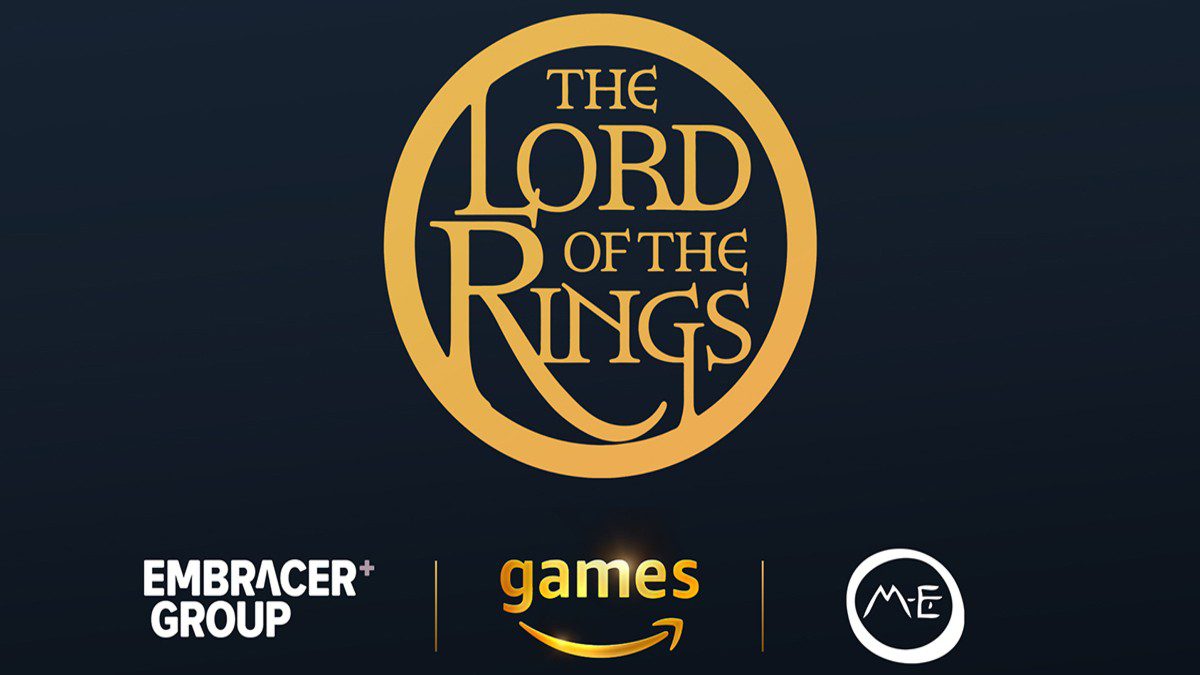
For the second time in five years, Amazon’s dream of building a massive Lord of the Rings MMO has dissolved into vapor. What began as a high‑profile partnership between Amazon Games and Embracer Group’s Middle‑earth Enterprises has now quietly ended, with Amazon confirming to Eurogamer that the project is no longer in development—even as the company insists it is “continuing to explore a compelling new game experience” set in Tolkien’s world.
The statement, delivered by Amazon’s head of games Jeff Grattis, is the only official acknowledgment of a project that had already been presumed dead. The MMO had vanished from Amazon’s website, developers had referenced its demise in farewell posts, and internal memos had signaled a retreat from first‑party AAA MMO development. But the story behind this cancellation is far more tangled than a simple corporate pivot. It is the intersection of two chaotic trajectories: Embracer’s aggressive, debt‑fueled acquisition of the Lord of the Rings franchise, and Amazon’s decade‑long struggle to become a serious player in the games industry.
This is the story of how those paths collided—and why Middle‑earth remains a battlefield for companies still trying to prove they belong in gaming.
The Rise—and Rapid Unraveling—of Embracer’s Middle‑earth Ambitions
To understand how Amazon ended up holding a half‑formed MMO and a handful of concept art, you have to rewind to 2022, when Embracer Group shocked the industry by acquiring Middle‑earth Enterprises, the company that controls worldwide rights to The Lord of the Rings and The Hobbit. The deal gave Embracer unprecedented power over one of the most valuable fantasy IPs on the planet. It also marked the peak of Embracer’s acquisition spree, a period in which the Swedish conglomerate bought studios, publishers, and IP at a breakneck pace.
But the spree was built on unstable ground. When a massive Saudi‑backed funding deal collapsed in 2023, Embracer’s empire began to buckle. The company initiated sweeping layoffs, studio closures, and asset sales. Yet Middle‑earth remained one of its crown jewels—an IP too valuable to abandon, even as the company restructured.
This is the environment in which Amazon’s MMO was born: a partnership between a company desperate to monetize its most prestigious acquisition and another company desperate to prove it could build a hit game.
Amazon Games: A Decade of False Starts, Reinventions, and Abandoned Worlds
Amazon’s gaming ambitions have always been outsized. With AWS powering half the internet and Prime Video spending billions on original content, the company believed it could simply will itself into becoming a major game publisher. But the reality has been far messier.
Breakaway, Amazon’s first big multiplayer project, was canceled before launch.
Crucible, its hero shooter, launched, unlaunched, and was canceled within months.
New World, its most successful title, launched strong but struggled to retain players and is now scheduled to sunset in January 2027.
Behind the scenes, Amazon cycled through leadership changes, reorganizations, and shifting priorities. Developers described a culture where projects were greenlit before teams existed, where executives chased trends, and where Amazon’s corporate machinery clashed with the creative realities of game development.
The Lord of the Rings MMO became a casualty of this environment long before its official cancellation.
A License First, a Game Later
According to sources who spoke to Eurogamer, Amazon announced the MMO the moment it secured the license—before speaking to developers, before assembling a team, and before any meaningful pre‑production had begun. For years, only “one or two people” were assigned to the project, producing a single piece of concept art every few months.
Then, in 2025, everything changed. Amazon began transitioning more than 1,000 developers from New World onto the Lord of the Rings project. The MMO was finally entering real pre‑production. The company was preparing to shift its entire MMO workforce into Middle‑earth.
And then the layoffs hit.
Amazon’s October 2025 restructuring gutted its games division. Internal memos stated that the company was halting “a significant amount of our first‑party AAA game development work—specifically around MMOs.” Developers on the Lord of the Rings project were laid off en masse. Mentions of the game disappeared from Amazon’s website. The project was effectively dead before it ever truly lived.
The New Middle‑earth Gold Rush
Even as Amazon’s version of Middle‑earth collapsed, Embracer’s restructuring created a new wave of Lord of the Rings projects across its surviving studios.
Warhorse Studios, creators of Kingdom Come: Deliverance, is reportedly developing an open‑world Lord of the Rings game.
Crystal Dynamics—already collaborating with Amazon on upcoming Tomb Raider titles—is rumored to be working on another LOTR project.
These games, if real, would be born from the same IP ecosystem Amazon once hoped to dominate. And they raise an uncomfortable question: Is Amazon still the right steward for a Middle‑earth game?
Grattis’ statement leaves the door open. Amazon “continues to explore” a new experience in Tolkien’s world. But the company’s track record suggests that any such project will face the same internal turbulence that doomed the MMO.
A Future Still Shrouded in Mist
Amazon’s Lord of the Rings MMO is gone, but the forces that shaped its rise and fall are still very much alive. Embracer continues to reorganize its Middle‑earth strategy. Amazon continues to search for its identity in gaming. And Middle‑earth—one of the most coveted IPs in entertainment—remains a battleground for companies trying to prove they can build worlds as enduring as Tolkien’s.
Whether Amazon’s next attempt will fare any better is unclear. But one thing is certain: Middle‑earth will not wait for them.