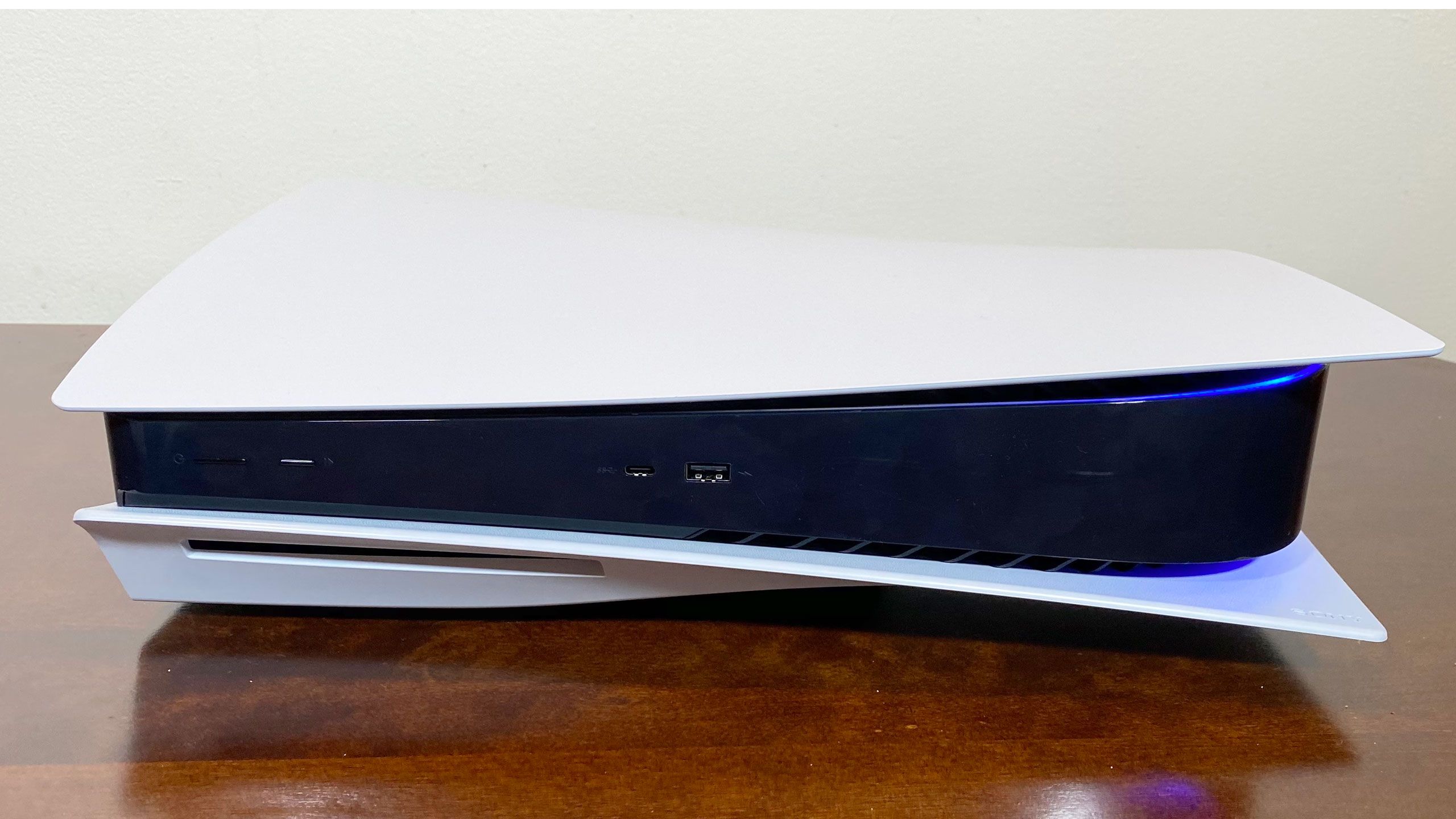
For the first time in more than a decade, the PlayStation brand is once again brushing up against a version of itself that Sony tried very hard to bury. With the public release of ps5-linux, security engineer Andy “TheFlow” Nguyen has transformed early‑firmware PS5 “Phat” consoles into fully functional Linux PCs — complete with a reproducible toolchain, a bootable Ubuntu 24.04 image, and performance that rivals mid‑range desktops.
It’s a technical breakthrough, yes. But it’s also something else: a ghost from the PlayStation 3 era, when Sony briefly embraced the idea of its console as an open computing platform before abruptly slamming that door shut.
A Modern Hack With PC‑Class Ambition
Nguyen’s release is not a proof‑of‑concept tossed into the wind. It’s a complete, documented workflow that allows owners of PS5 units running firmware 3.xx through 4.xx to boot into Linux using a payload that exploits a patched hypervisor vulnerability. The package includes a builder that generates a full Ubuntu image, tools for installing Linux on an M.2 SSD, and even a fan‑and‑clock controller that unlocks CPU and GPU boost modes.
Once inside Linux, the PS5 behaves like a compact x86 workstation: eight Zen 2 cores, sixteen threads, and an RDNA 2 GPU capable of outputting 4K60. USB ports remain active, HDMI audio works, and the internal SSD is left untouched, meaning the console can return to normal PS5 mode with a simple reboot. The only catch is that the exploit must be re‑triggered each time — a softmod, not a permanent jailbreak.
It’s a level of refinement rarely seen in console Linux projects. GTA V Enhanced Edition has already been demonstrated running at 60 FPS with ray tracing under Linux, a sight that would have been unthinkable on previous generations.
A Familiar Echo From the PS3 Era
For longtime PlayStation historians, this moment feels strangely nostalgic. The PS5 was never meant to run Linux — but the PS3 famously was.
In 2006, Sony marketed the PlayStation 3 as a hybrid entertainment‑and‑computing device. Its “OtherOS” feature allowed users to install Linux distributions like Yellow Dog or Ubuntu directly onto the console. Universities used PS3 clusters for research. Hobbyists experimented with the Cell processor’s SPEs. It was one of the most enthusiast‑friendly moves Sony ever made.
And then, in 2010, Sony killed it.
The rise of the PlayStation Store, PSN, and the growing importance of digital rights management made OtherOS look like a liability. Sony removed the feature via firmware update, citing “security concerns,” and the backlash was immediate — lawsuits, protests, and a permanent fracture between Sony and the open‑source community. The PS3’s most unique feature became a cautionary tale about openness in the console world.
TheFlow’s PS5 Linux loader doesn’t restore that era, but it undeniably rhymes with it. It shows that the appetite for open computing on PlayStation hardware never disappeared — Sony simply stopped feeding it.
Why This Matters in 2026
The timing is almost poetic. GPU prices remain inflated. Valve’s next‑generation Steam Machine has slipped past its original launch window. Meanwhile, millions of early‑firmware PS5 units sit unused or resold, quietly waiting for a second life.
A PS5 Phat running Linux is not the most powerful PC you can build, but it’s shockingly capable for the cost — especially if you already own the hardware. And unlike the PS3’s OtherOS, this isn’t a corporate experiment. It’s a community‑driven reclamation of hardware potential.
There are limitations, of course. Firmware 6.xx and above are completely incompatible. Firmware downgrading is not possible. Some displays struggle with 1440p or 4K output. And the exploit chain requires a bit of technical patience.
But the spirit of the project — the idea that a closed console can be coaxed into becoming a general‑purpose computer — is exactly the kind of tinkering culture that defined the early PS3 years.
A Legacy Sony Never Intended to Revive
Sony’s modern PlayStation strategy is built on tight integration: PSN accounts, digital licensing, cloud saves, subscription services, and a curated ecosystem. The PS5 Linux loader exists entirely outside that vision. It’s not sanctioned, not supported, and not something Sony will ever embrace.
And yet, it’s a reminder of what PlayStation once was — and what it could have been if the OtherOS experiment had survived the rise of digital storefronts.
TheFlow’s work doesn’t just unlock a console. It unlocks a memory: a time when Sony briefly flirted with the idea that a PlayStation could be more than a gaming machine. A time when the community wasn’t fighting for openness — because it was already built in.
The PS5 Linux loader is a technical achievement. But it’s also a cultural one. It revives a lineage that Sony abandoned, and it proves that even in 2026, the dream of an open PlayStation refuses to die.