For the first time in decades, the earliest chapters of one of gaming’s foundational RPG sagas are stepping back into the light—and Atari is the one carrying the torch. The company has secured the complete and exclusive rights to the first five Wizardry titles, a move that reshapes the custodianship of a franchise that helped define computer role‑playing games in the 1980s.
The acquisition is more than a legal footnote. It’s a reclamation of a lineage that has been scattered across companies, continents, and licensing agreements for years. Atari now holds the keys to the original universe—the one that introduced dungeon‑crawling to an entire generation of PC players and laid the groundwork for systems that modern RPGs still borrow from today.
But the Wizardry family tree has always been complicated. While Atari now owns the first five entries, Japanese publisher Drecom retains ownership of Wizardry VI, VII, and VIII, along with the global trademark. Those later games, set in a separate fictional continuity, remain firmly under Drecom’s control. The company made it clear it has “no intention of selling the trademark rights or other rights to Wizardry titles it holds in the future,” a statement that underscores just how unusual this split custodianship is.
The result is a franchise divided not by conflict, but by history—two branches of the same tree, each preserved by a different caretaker.
Atari New Acquisition For Adding At Its Gaming Footprint
Atari’s newly acquired rights extend beyond the core games. The deal includes additional Wizardry‑related titles, contract rights, and associated IP tied to the original universe. It’s a treasure chest of dormant potential, and Atari isn’t shy about its ambitions. The company plans to revive the classics through remasters, collections, and expanded digital and physical distribution, but that’s only the beginning. The roadmap stretches into card and board games, books, comics, and even TV and film projects, signaling a push to transform Wizardry into a modern multimedia franchise.
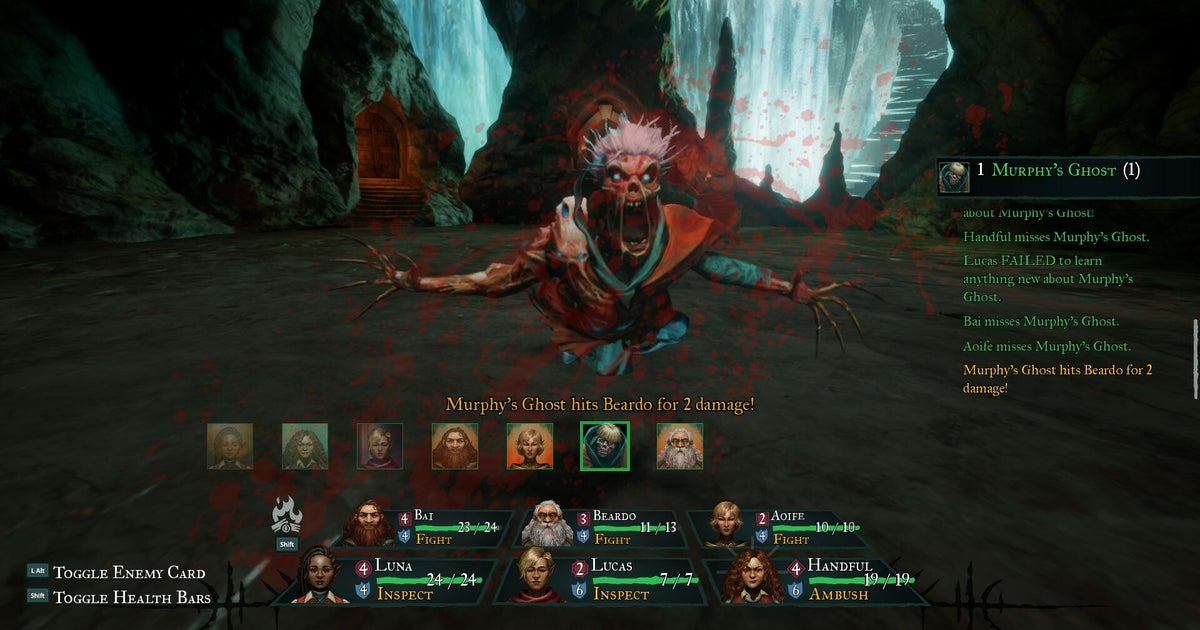
This isn’t Atari’s first step back into the dungeon. Its studio Digital Eclipse released a full remake of Wizardry: Proving Grounds of the Mad Overlord in 2024, a project that demonstrated both the viability and the appetite for resurrecting these early RPGs. Atari had acquired Digital Eclipse the year prior in a deal valued at up to $20 million, a move that now looks like a strategic prelude to today’s announcement.
For Atari CEO Wade Rosen, the mission is clear: these games deserve to be playable again. Many of the early Wizardry titles have been effectively inaccessible for more than twenty years, trapped behind outdated platforms and licensing limbo. Rosen described the acquisition as a “rare opportunity” to bring them back to market, not just as museum pieces but as living works that can be remastered, republished, and reintroduced to new audiences.
And for the people who built Wizardry in the first place, the moment carries a different kind of weight. Co‑creator Robert Woodhead reflected on the franchise’s origins in the early 1980s, when the video game industry was still a frontier and Wizardry was one of the first titles to translate tabletop role‑playing into a digital format. Seeing the series return under Atari’s stewardship, he said, is something he’ll be watching closely—especially as new players confront the uncompromising, old‑school challenge that defined the originals.
The acquisition doesn’t resolve the franchise’s split identity, but it does something arguably more important: it ensures that the earliest Wizardry games—once nearly lost to time—will live again. Atari now holds the responsibility of preserving a cornerstone of RPG history, and the company seems intent on doing more than simply dusting off the archives.
For longtime fans, this is a resurrection. For newcomers, it’s an invitation to step into the labyrinth for the first time. And for the industry, it’s a reminder that even in 2026, the past still has the power to surprise us.