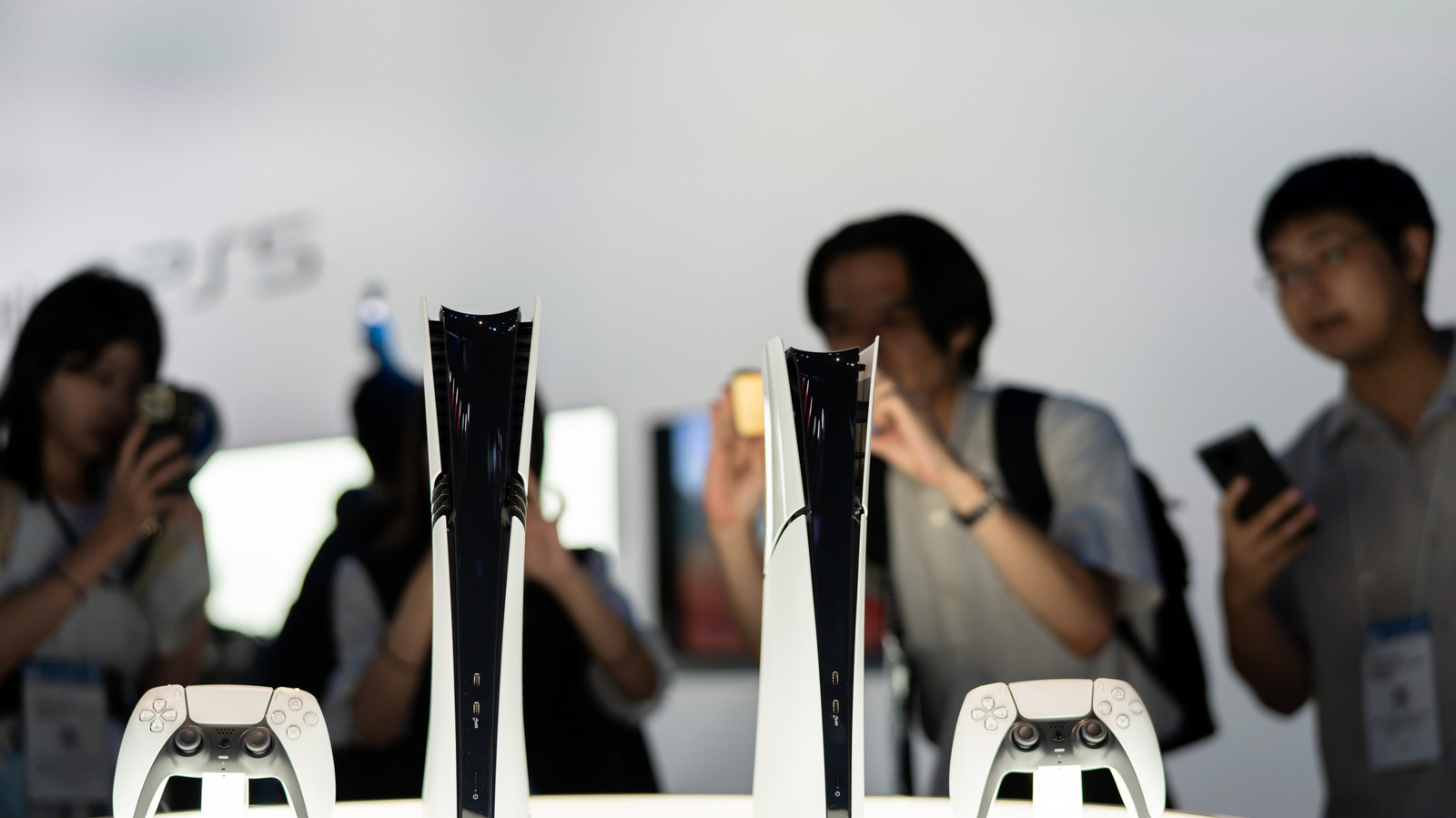
PlayStation is once again under legal fire. This time, the fight isn’t about digital storefront monopolies or subscription hikes — it’s about tariffs, refunds, and whether Sony owes money back to everyday console buyers.
A newly filed class‑action lawsuit, Walker et al. v. Sony Interactive Entertainment LLC, accuses Sony of pocketing a “substantial windfall” after raising PS5 prices in 2025 due to U.S. tariffs that were later overturned. Plaintiffs Amorey Walker and Bryce Foster‑Quarles argue that Sony benefited twice: once when it raised prices, and again when the tariffs were struck down, allegedly without passing any savings back to consumers.
The case was filed May 6, 2026, in the U.S. District Court for the Northern District of California — the same battleground where tech giants have been repeatedly challenged over pricing transparency and consumer rights.
The Spark: A $50 Price Hike That Never Rolled Back
In August 2025, Sony raised the price of all PS5 models — Standard, Digital, and Pro — by $50, citing “challenging economic conditions” and the tariff policies enacted under President Donald Trump.
Then, in February 2026, the U.S. Supreme Court struck down those tariffs entirely.
That ruling opened the door to a simple question:
If the tariffs are gone, where’s the refund?
According to the lawsuit, Sony is poised to receive tariff‑related reimbursements from the government — but consumers who paid the higher console prices have seen nothing.
The plaintiffs call this a “double recovery windfall.” Sony, they argue, shouldn’t profit twice from a temporary policy that ultimately vanished.
Why This Lawsuit Matters Now
The timing is brutal for Sony.
Just hours before the lawsuit made headlines, Sony announced yet another price increase — this time for its PlayStation Plus subscription tiers.
And earlier this month, Sony agreed to pay out up to $78 million in refunds related to a separate PSN lawsuit.
For many PlayStation fans, the pattern feels familiar: higher prices, fewer explanations, and a sense that Sony’s corporate strategy has drifted away from the consumer‑friendly image it once cultivated.
The Nintendo Contrast: A Backstory Sony Probably Wishes Didn’t Exist
The Sony lawsuit didn’t emerge in a vacuum. In fact, it follows a nearly identical class‑action case filed against Nintendo just one month earlier — and that’s where the contrast becomes sharp.
Nintendo’s Tariff Moment: April 2025
In April 2025, Nintendo raised prices on several Switch accessories, citing the same tariff pressures Sony would later reference. Fans noticed the increases immediately — Joy‑Cons, Pro Controllers, and charging docks all saw bumps.
But here’s the key difference:
Nintendo’s Communication Was Clearer, Earlier, and More Consumer‑Aware
While Nintendo still faces its own lawsuit, the company’s public posture was notably different:
- Nintendo acknowledged the tariff impact directly and immediately.
- It framed the increases as temporary and tied explicitly to import costs.
- It avoided raising the price of the console itself — a move analysts say prevented a larger backlash.
When the tariffs were overturned, Nintendo didn’t automatically issue refunds — hence the lawsuit — but the company’s earlier transparency softened the blow.
Sony, by contrast, raised console prices across all models and never indicated the increases were temporary.
That’s the narrative fueling today’s anger.
Why Gamers Are Pushing Back Harder Against Sony
1. The PS5 price hike hit the core hardware, not accessories.
A $50 increase on a $500 console is a psychological and financial shock.
2. Sony’s messaging was vague.
“Challenging economic environment” is corporate wallpaper — not an explanation.
3. Sony’s recent pattern of price increases has eroded goodwill.
PlayStation Plus hikes, PSN settlement news, and now tariff refund allegations create a cumulative effect.
4. Nintendo’s earlier case set a precedent.
Gamers now know this type of lawsuit is viable — and they’re ready to push for refunds.
What Happens Next
If the plaintiffs succeed, Sony could be forced to issue refunds to anyone who bought a PS5 after the August 2025 price increase. That includes:
- PS5 Standard Edition buyers
- PS5 Digital Edition buyers
- PS5 Pro buyers
The potential payout could be massive, depending on how many units were sold during the tariff‑inflated period.
Legal experts note that the Nintendo case may influence the court’s view of Sony’s obligations — especially if Nintendo settles or issues refunds first.
The Bigger Picture: A New Era of Consumer Accountability
For decades, console manufacturers have operated with wide latitude on pricing. Tariffs, supply chain issues, and global inflation changed that — but so did the modern gamer’s expectations.
Today’s consumers are:
- More informed
- More organized
- More willing to litigate
And in an era where digital storefronts track every purchase, proving damages is easier than ever.
Sony now finds itself at the center of a broader industry reckoning — one that Nintendo inadvertently helped ignite.