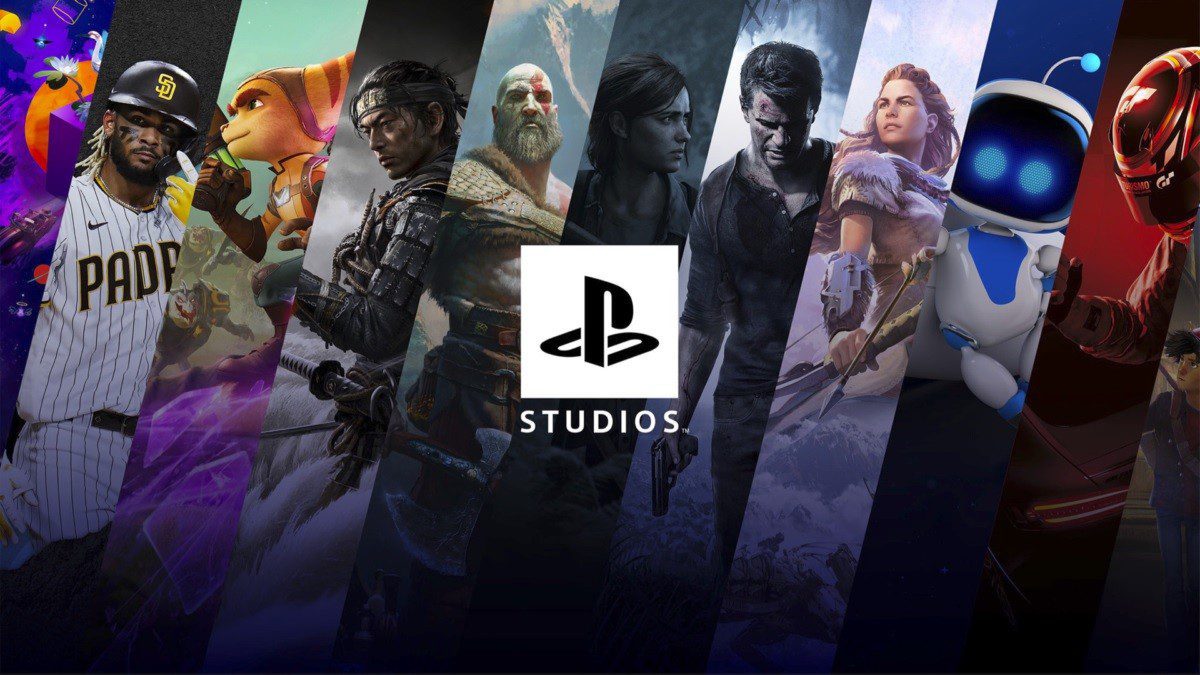
For six years, Sony Interactive Entertainment flirted with a future that once seemed unthinkable: a PlayStation ecosystem no longer bound to the console. Horizon Zero Dawn on Steam cracked the door open in 2020; God of War blew it off its hinges in 2022. By 2024, PC ports were no longer an experiment—they were a pillar of Sony’s growth strategy, a way to extend the life of prestige single‑player titles and tap into the massive global PC audience.
But in early 2026, that era quietly—and abruptly—came to an end.
According to reporting from Bloomberg, Sony has halted all plans to release PC ports of its major single‑player PlayStation 5 titles, including the critically acclaimed Ghost of Yotei and the upcoming action epic Saros. Online‑focused games such as Marathon and Marvel Tokon will continue to launch across multiple platforms, but the cinematic, narrative‑driven blockbusters that defined the PlayStation brand are returning to strict console exclusivity.
The shift marks a dramatic reversal for a company that once championed a “console‑first, PC‑second” pipeline. And it raises a deeper question: Why walk away now, after years of success?
A Strategy Born From Crisis
To understand Sony’s retreat, you have to rewind to the late PS4 era.
By 2019, PlayStation was riding high on the strength of its single‑player franchises, but the company faced a looming problem: development costs were skyrocketing. Games like The Last of Us Part II and Ghost of Tsushima required budgets rivaling Hollywood films. Meanwhile, Microsoft was aggressively expanding Xbox Game Pass, and Nintendo continued to dominate handheld gaming.
Sony needed new revenue streams without compromising its identity.
PC was the obvious answer.
Steam’s massive global reach offered a second life for PlayStation’s prestige titles. The ports were low‑risk, high‑reward: development costs were modest, and the games had already recouped their budgets on console. Horizon’s PC launch exceeded expectations. God of War’s port became a bestseller. Even older titles like Days Gone found new audiences.
By 2023, Sony publicly committed to expanding its PC footprint. The message was clear: PlayStation exclusives would still debut on console, but PC would follow—eventually.
Then everything changed.
The PS5 Generation’s Identity Crisis
The PlayStation 5 era has been defined by contradictions.
On one hand, Sony delivered some of the most visually impressive games in the industry. On the other, the console struggled to maintain a clear identity as the market shifted around it. Live‑service ambitions faltered. Development timelines stretched. And the PC ports—once a symbol of Sony’s flexibility—began to blur the value proposition of owning a PlayStation at all.
Internally, executives reportedly grew concerned that the PC strategy was cannibalizing the console ecosystem, especially in regions where gaming PCs are more common than dedicated hardware. The more PlayStation’s crown jewels appeared on Steam, the harder it became to justify the console premium.
The turning point appears to have been Ghost of Yotei.
The 2025 samurai epic was a massive hit—one of Sony’s biggest in years. But according to Bloomberg’s sources, the company concluded that bringing it to PC would undermine the PS5’s momentum at a time when the console needed a strong, exclusive identity heading into the second half of its lifecycle.
Thus, the pivot: single‑player games stay on PlayStation. Online games go everywhere.
Why Online Games Are the Exception
Sony’s live‑service ambitions have been rocky, but not abandoned.
Multiplayer titles thrive on large, cross‑platform communities. Restricting them to a single console is a death sentence. Games like Marathon and Marvel Tokon need PC players to survive, and Sony knows it.
The new strategy draws a hard line:
- Narrative blockbusters → PlayStation only
- Live‑service and multiplayer titles → Multi‑platform
It’s a return to the company’s roots, but with a modern twist.
The Industry Context: A Reversal of Reversals
Sony’s retreat from PC comes at a moment when the entire industry is rethinking platform strategy.
Microsoft, once the champion of “play anywhere,” has begun tightening its grip on Xbox exclusives after years of spreading its IP across PC and cloud. Nintendo remains steadfastly insular. And third‑party publishers are increasingly risk‑averse, focusing on fewer, safer bets.
The era of platform expansion is giving way to platform consolidation.
Sony’s move isn’t just a business decision—it’s a philosophical one. It signals a belief that the future of PlayStation depends on reasserting the value of exclusivity, not diluting it.
What This Means for Players
For PC gamers, the message is blunt: the pipeline of PlayStation single‑player ports is over. Ghost of Yotei will not arrive on Steam. Saros will not follow. Future tentpole titles will remain locked to the PS5.
For PlayStation owners, the shift may feel like a return to form. The console once again becomes the only place to experience Sony’s most ambitious stories.
But the long‑term implications are more complicated.
Sony is betting that exclusivity will strengthen the PlayStation brand. Yet the gaming landscape is more fragmented than ever, and PC players—once seen as an untapped market—may now become an audience Sony willingly leaves behind.
A Return to the Old PlayStation—Or the Birth of a New One?
Sony’s decision to pull back from PC is not merely a course correction. It is a statement of identity.
For years, the company tried to balance two worlds: the prestige of console exclusivity and the financial allure of PC expansion. In 2026, that balancing act ended. PlayStation is once again a fortress, its most prized creations locked behind its walls.
Whether this marks a renaissance or a retreat will depend on how the next wave of PS5 titles performs—and whether players still believe that exclusivity is worth the price of admission.