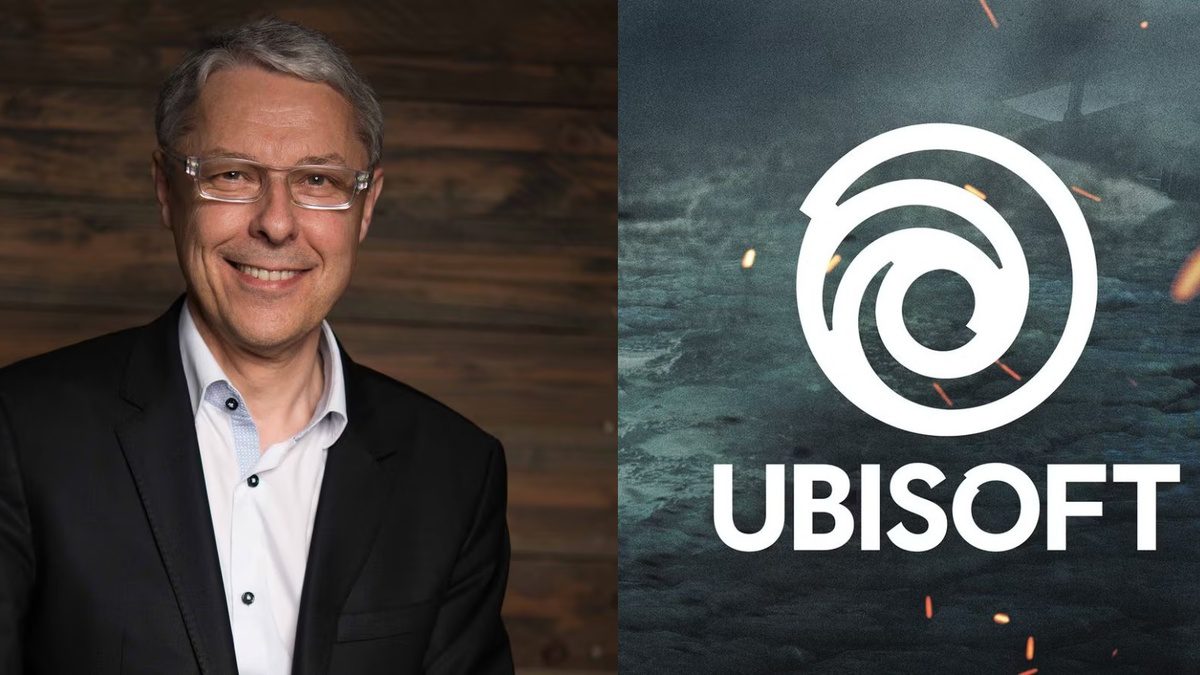
Ubisoft co‑founder Claude Guillemot’s death in a plane crash marks a tragic end to one of the most quietly influential figures in modern gaming—a man whose work shaped Ubisoft’s global rise while remaining largely behind the scenes.
On June 19, 2026, the gaming world lost one of its foundational architects. Claude Guillemot—one of the five brothers who built Ubisoft from a small French mail‑order operation into one of the largest video game publishers on the planet—was killed in a plane crash near the La Baule aerodrome in western France. He was 69 years old.
Authorities confirmed that the twin‑engine Cessna 421 he owned and was piloting crashed during its landing approach, erupting into flames upon impact. Both Claude and a flight instructor traveling with him died at the scene. Emergency crews mobilized dozens of firefighters and ambulances, but the blaze and wreckage made identification difficult.
Local officials reported that the aircraft appeared to make a turn during its final descent before crashing into a nearby field—though the cause remains under investigation. Witnesses described a sudden maneuver followed by impact and fire, and the mayor of La Baule confirmed that the plane was on approach when it went down.
Claude was reportedly en route to an aviation gathering scheduled for the weekend, a reflection of his long‑standing passion for flight.
From Rural Brittany to Global Tech: The Guillemot Brothers’ Unlikely Rise
To understand the weight of Claude Guillemot’s passing, one must understand the extraordinary story of the Guillemot family—a story that begins far from Silicon Valley or Parisian tech hubs.
A Family Rooted in Agriculture
The Guillemot brothers—Claude, Christian, Gérard, Michel, and Yves—grew up in the Brittany region, where their family ran an agricultural supply business. After university, the brothers returned home with degrees in business, economics, and technology, determined to modernize the family enterprise and explore new markets.
The Pivot to Electronics
In the early 1980s, the brothers recognized a gap in the French market: imported computer hardware and software were prohibitively expensive. Claude, who initially explored the emerging audio CD market, joined his brothers in founding Guillemot Informatique, a mail‑order business that bypassed traditional distributors and offered affordable computing products directly to consumers.
The success of this venture laid the foundation for something bigger.
The Birth of Ubisoft
On March 28, 1986, the brothers founded Ubi Soft—short for “ubiquitous software”—with the goal of distributing and eventually developing video games. Claude, armed with a master’s degree in economic science and a certificate in industrial computing, became the operational backbone of the company.
While Yves Guillemot emerged as the public‑facing CEO, Claude’s influence was felt in the company’s infrastructure, logistics, and long‑term strategy. He served as Executive Vice President of Operations and sat on Ubisoft’s board, helping steer the company through decades of expansion, acquisitions, and industry upheaval.
A Legacy Beyond Ubisoft
Claude’s entrepreneurial reach extended beyond game publishing. He was Chairman and CEO of Guillemot Corporation, founded in 1985, which became a global force in gaming accessories through brands like Thrustmaster and Hercules.
Under his leadership, the company became known for high‑quality peripherals used by PC gamers, flight‑sim enthusiasts, and console players worldwide—an ironic parallel to his own passion for aviation.
A Life of Quiet Influence
Claude Guillemot was not the public face of Ubisoft, nor did he seek to be. But his fingerprints are everywhere:
- the operational systems that allowed Ubisoft to scale globally
- the hardware ecosystem that supported PC and console gaming
- the family‑driven corporate structure that helped Ubisoft resist a hostile takeover attempt
- the international expansion that brought Ubisoft to Asia and beyond
His colleagues often described him as the bridge between business and technology—a man who understood both the creative chaos of game development and the logistical discipline required to support it.
In a 1999 interview, Claude revealed a personal philosophy that now reads with poignant clarity: he admired the simplicity of personal websites where people shared their passions, families, and even their dogs. It was a reminder that behind the corporate machinery was a man who valued authenticity and human connection.
The Crash That Shook the Industry
The crash occurred shortly before 6 p.m. local time, during what should have been a routine landing. The Cessna 421 burst into flames, igniting nearby vegetation and requiring a large emergency response. Flags at the La Baule aerodrome were lowered to half‑mast the following day.
Ubisoft issued a brief but emotional statement expressing “profound sadness” and offering condolences to the Guillemot family. The company declined further comment as investigations continue.
A Pillar of Ubisoft’s Identity
Claude’s death comes at a time when Ubisoft faces significant challenges: restructuring, declining stock performance, and shifting market expectations. Yet the company’s resilience—its ability to survive industry cycles, failed launches, and takeover threats—owes much to the foundation Claude helped build.
He was, in many ways, Ubisoft’s quiet constant.
A Legacy That Will Endure
Claude Guillemot’s passing is not just the loss of a company executive—it is the loss of a pioneer whose work shaped decades of gaming history. From the mail‑order days of Guillemot Informatique to the global success of Assassin’s Creed and Far Cry, Claude’s influence is woven into the DNA of modern gaming.
He leaves behind a family that built an empire together, a company that changed the industry, and a legacy that will continue to shape interactive entertainment for generations.