In the span of just a few days, Sony has sketched a surprisingly clear picture of where PlayStation is heading — and it’s a direction that blends tradition with calculated restraint. Through executive interviews, internal strategy leaks, and even a U.S. SEC filing, the company has revealed a unified philosophy: the PlayStation ecosystem must remain centered on dedicated hardware, tightly controlled exclusives, and carefully deployed AI technologies.
It’s a stance that contrasts sharply with the broader industry’s shift toward platform‑agnostic publishing and cloud‑first ambitions. And yet, for Sony, the message is unmistakable: PlayStation is a place, not just a brand.
A Console Is Still the Heart of PlayStation
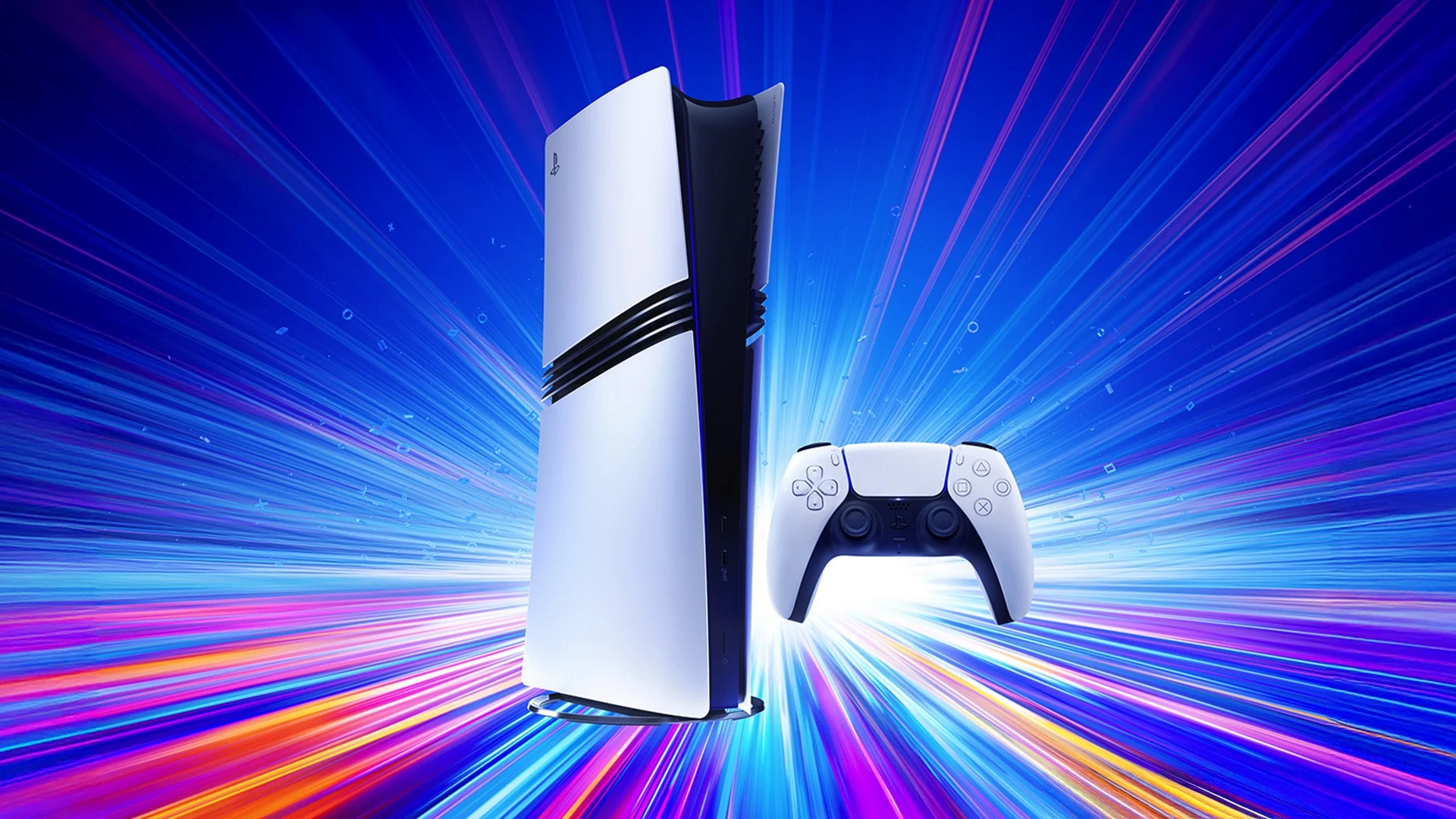
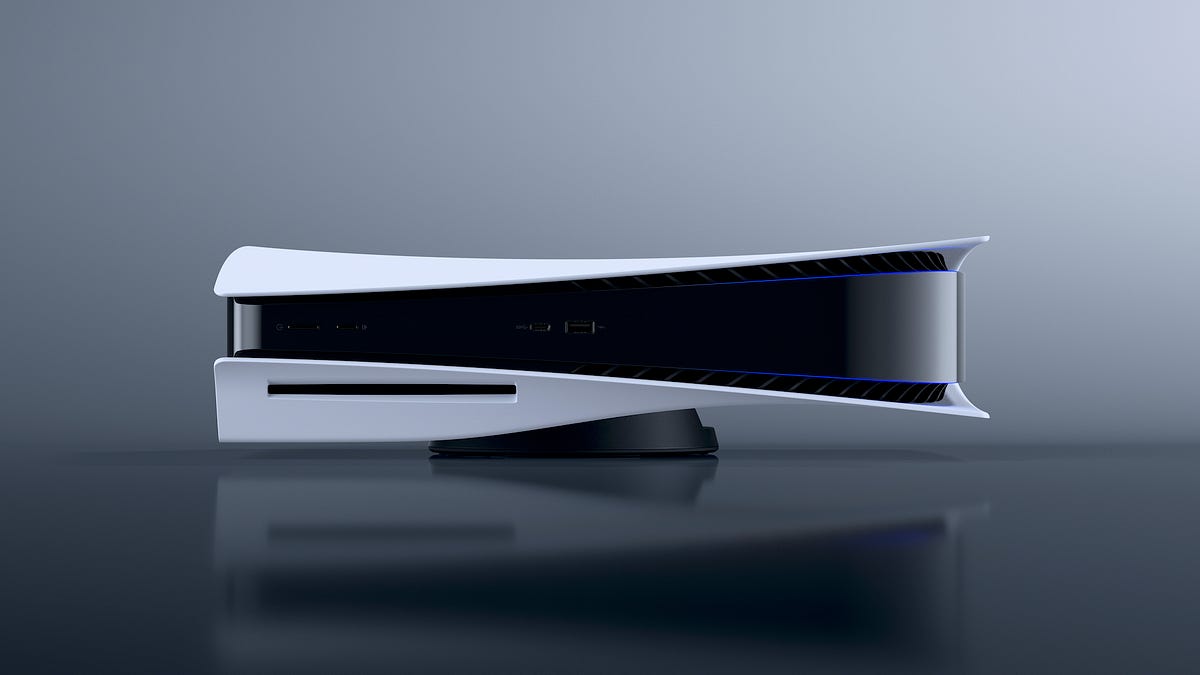
PlayStation CEO Hideaki Nishino ignited debate this week after reaffirming a belief that many assumed the industry had outgrown: “A game console is necessary for playing games.”
Nishino’s point wasn’t nostalgia — it was strategy. In his interview with Famitsu, he argued that while the form of a console may evolve, the concept remains essential. The PlayStation Portal, he said, is an example of how Sony can extend the console experience beyond the living room without abandoning the hardware-first identity.
He framed the Portal not as a handheld competitor, but as a lifestyle extension — a way to keep players tethered to the PlayStation ecosystem even when they’re away from the TV. And he hinted that more experiments may follow.
But the most telling part of his comments came when he addressed the elephant in the room: PC releases.
Nishino reiterated that PlayStation will still consider PC ports when they “maximize the gaming experience,” but he drew a sharp line between live‑service titles, which benefit from wider reach, and single‑player games, which Sony now sees as core to its platform identity.
That line sets up the next major revelation.
Why Sony Is Locking Down Single‑Player Exclusives Again
Earlier this year, reports emerged that Sony would no longer release its future single‑player PlayStation exclusives on PC. This week, journalist Jason Schreier confirmed the internal reasoning behind the pivot — and it’s more blunt than Sony has admitted publicly.
According to Schreier, Hermen Hulst told staff during a company town hall that the decision came down to three factors:
- Inconsistent PC sales
Ports weren’t generating enough revenue to justify the investment. - Weakening platform identity
If players can get PlayStation’s biggest narrative games on PC, the incentive to buy a PS5 — or eventually a PS6 — diminishes. - IP alignment
Sony wants its flagship franchises to remain synonymous with PlayStation hardware.
This is a dramatic reversal from the “case‑by‑case” messaging Sony used in recent years. Internally, Schreier says, there is no ambiguity: single‑player narrative games will be PlayStation‑only going forward.
The timing is notable. Sony’s upcoming slate — including Wolverine, God of War: Laufey, the Trilogy Remake, and Intergalactic — represents some of its most valuable IP. Keeping them exclusive reinforces the console’s cultural weight at a moment when Xbox is moving in the opposite direction.
Sony Clarifies Its AI Strategy — And It’s More Conservative Than Expected
While exclusivity and hardware dominated headlines, Sony also quietly updated its SEC filings to clarify how PlayStation uses artificial intelligence. The changes caught the attention of industry analysts because they subtly reframed Sony’s technological priorities.
According to the filing, PlayStation’s AI initiatives focus on four areas:
- Game development productivity
Automating repetitive tasks, speeding iteration, and assisting asset creation. - Player transaction routing
Using AI to streamline purchases and backend processes. - Game recommendations on the PlayStation Store
Improving personalization and discovery. - Graphics enhancement through machine learning
Leveraging techniques similar to NVIDIA’s recent innovations.
Notably absent is any suggestion that Sony is pursuing AI‑generated content at scale, AI‑driven NPC behavior breakthroughs, or cloud‑based AI gaming — the kinds of moonshot initiatives often touted by competitors.
Instead, Sony’s approach is pragmatic, almost conservative. It positions AI as a supporting tool, not a disruptive force. Analysts have suggested this may be more about aligning with investor expectations than signaling a radical shift.
A Cohesive Strategy Emerges
Taken together, these developments paint a picture of a company that is:
- Re‑centering its identity around dedicated hardware
- Protecting its most valuable IP by keeping it exclusive
- Using AI to reinforce — not reinvent — its development pipeline
Sony appears to be betting that the future of gaming still includes a strong, premium console experience, even as the rest of the industry experiments with cloud ecosystems, cross‑platform publishing, and subscription‑first models.
It’s a bold stance in 2026 — one that could either solidify PlayStation’s cultural dominance or leave it vulnerable if the market shifts faster than expected.
But for now, Sony is sending a clear message:
PlayStation is a destination, and the console remains the front door.