

For years, Linux gamers have lived in a strange dual reality. On one hand, the platform has never been more capable: Proton matured at breakneck speed, Steam Deck exploded into mainstream consciousness, and Linux gaming became a legitimate conversation in the industry rather than a punchline. On the other hand, the ecosystem still carried the scars of decades of neglect — anti‑cheat roadblocks, missing launchers, and publishers who treated Linux as an afterthought.
Today at CES 2026, NVIDIA added another milestone to the “we’re finally being taken seriously” column.
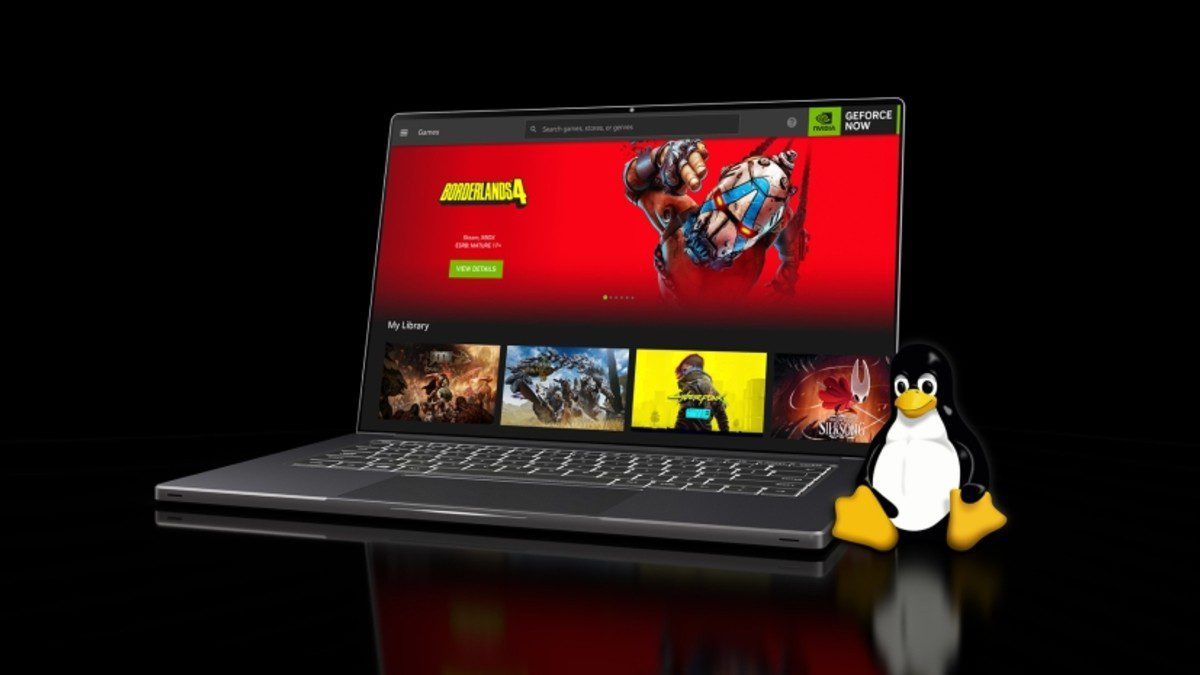
The company has officially confirmed that a native Linux desktop app for GeForce NOW is coming, entering beta early this year. This follows their earlier move to support the Steam Deck, but a full desktop client marks a far more significant shift. It signals that cloud gaming — once a niche workaround — is becoming a strategic pillar for Linux users.
And honestly? It’s about time.
A Backstory Written in Missed Opportunities
To understand why this announcement matters, you have to rewind the clock.
For most of the 2010s, Linux gamers relied on a patchwork of unofficial clients, browser hacks, and community‑maintained wrappers to access cloud gaming services. NVIDIA’s stance was always the same: use the browser. It worked, but it was never ideal — limited features, inconsistent performance, and no real commitment from NVIDIA.
Meanwhile, the Linux community kept growing. SteamOS matured. Proton shattered compatibility barriers. Valve proved that Linux could be a gaming platform, not a curiosity.
But the real pressure came from something else entirely:
the anti‑cheat wall.
Games from Epic, EA, Activision, and others continued to block Linux outright, even when their anti‑cheat systems technically supported it. For many players, cloud gaming became the only way to access certain titles without dual‑booting or abandoning Linux altogether.
NVIDIA couldn’t ignore that forever.
The Announcement: What We Know So Far
According to NVIDIA’s official confirmation, the upcoming Linux client will:
- Launch in beta early 2026
- Support Ubuntu 24.04 and later at minimum
- Provide a full native experience instead of relying on browser limitations
- Expand the same support already offered to Steam Deck users
The article notes that this was “one of the top requests from the PC gaming community” — and that tracks. Linux users have been asking for this for years.
There’s no confirmation yet on packaging formats, but the hope across the community is clear:
Put it on Flathub.
A Flatpak release would instantly make it accessible across dozens of distros without fragmentation.
Why This Matters for Linux Gamers
1. A workaround for anti‑cheat‑blocked titles
Until publishers stop blocking Linux outright, cloud gaming remains the only way to play certain games without leaving the platform. A native client makes that experience smoother and more reliable.
2. A lifeline for low‑power hardware
With GPU, RAM, and SSD prices continuing to climb, cloud gaming fills the gap for players who can’t upgrade every generation. Handhelds especially — from Steam Deck to AYANEO — benefit massively.
3. A signal that Linux is no longer optional
When NVIDIA builds a native app, it’s not a hobby project. It’s a business decision. And it means Linux gaming has crossed a threshold where major companies can no longer ignore it.
More Than Just a Client: NVIDIA Expands Everywhere
The announcement didn’t stop at Linux. NVIDIA also revealed:
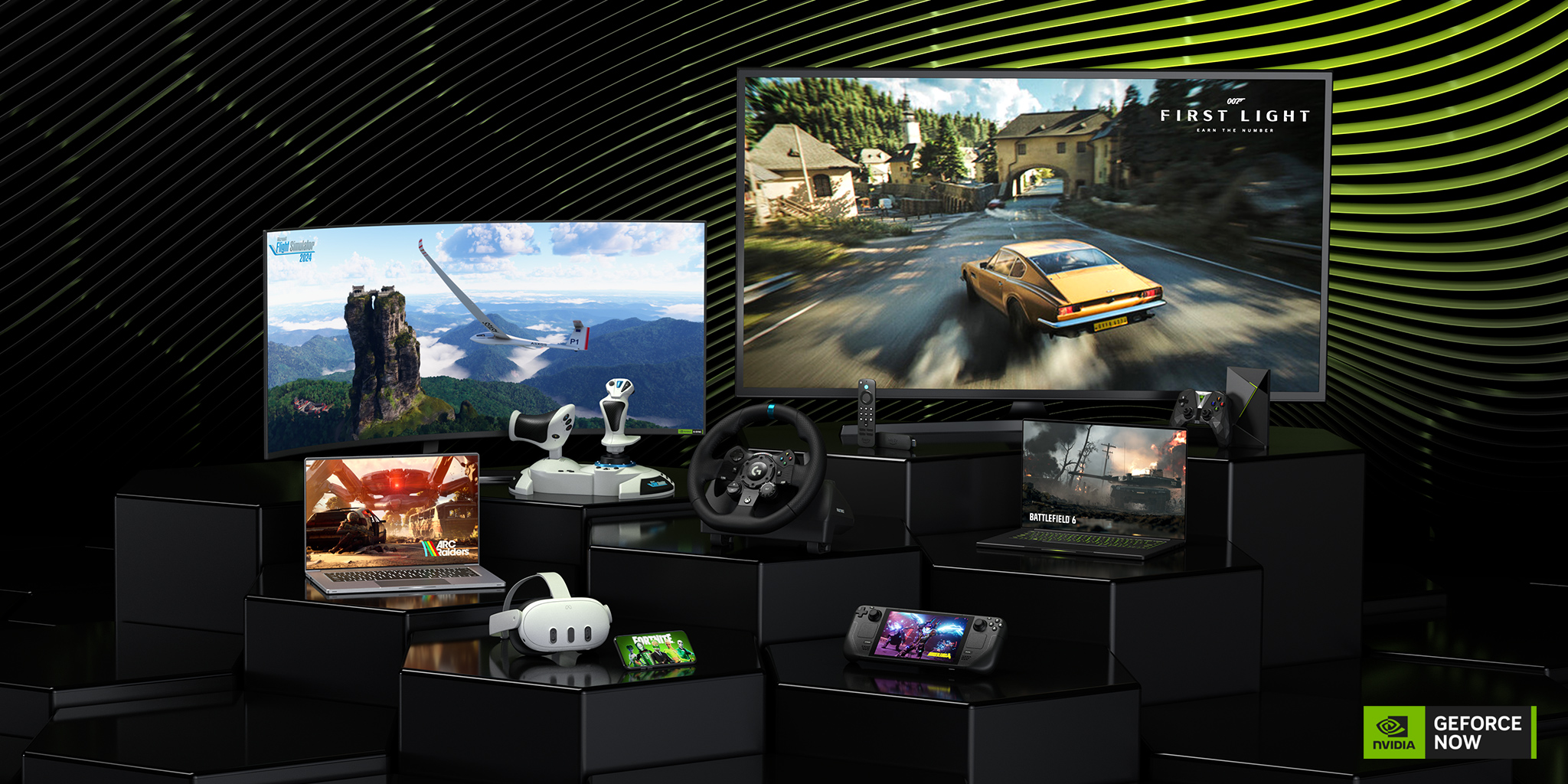
- Support for Amazon Fire TV sticks
- Flight control peripheral support for cloud‑based flight sims
- New titles coming to GeForce NOW, including:
- 007: First Light
- Resident Evil Requiem
- Crimson Desert
- Active Matter
- Gaijin.net account linking, making games like War Thunder a one‑click experience
This is NVIDIA doubling down on cloud gaming as a platform — not just a service.
The Bigger Picture: 2026 Could Be a Turning Point
Linux gaming has always advanced in bursts — a big leap, a quiet period, another leap. But the last few years have been different. The momentum is sustained, the industry is paying attention, and the community is larger and louder than ever.
A native GeForce NOW client isn’t just a convenience.
It’s a statement.
It tells publishers, developers, and hardware makers that Linux is no longer a fringe experiment. It’s a platform worth supporting — and one that’s growing faster than anyone expected.
If 2025 was the year Linux gaming proved itself, 2026 might be the year the rest of the industry finally catches up.






One Comment