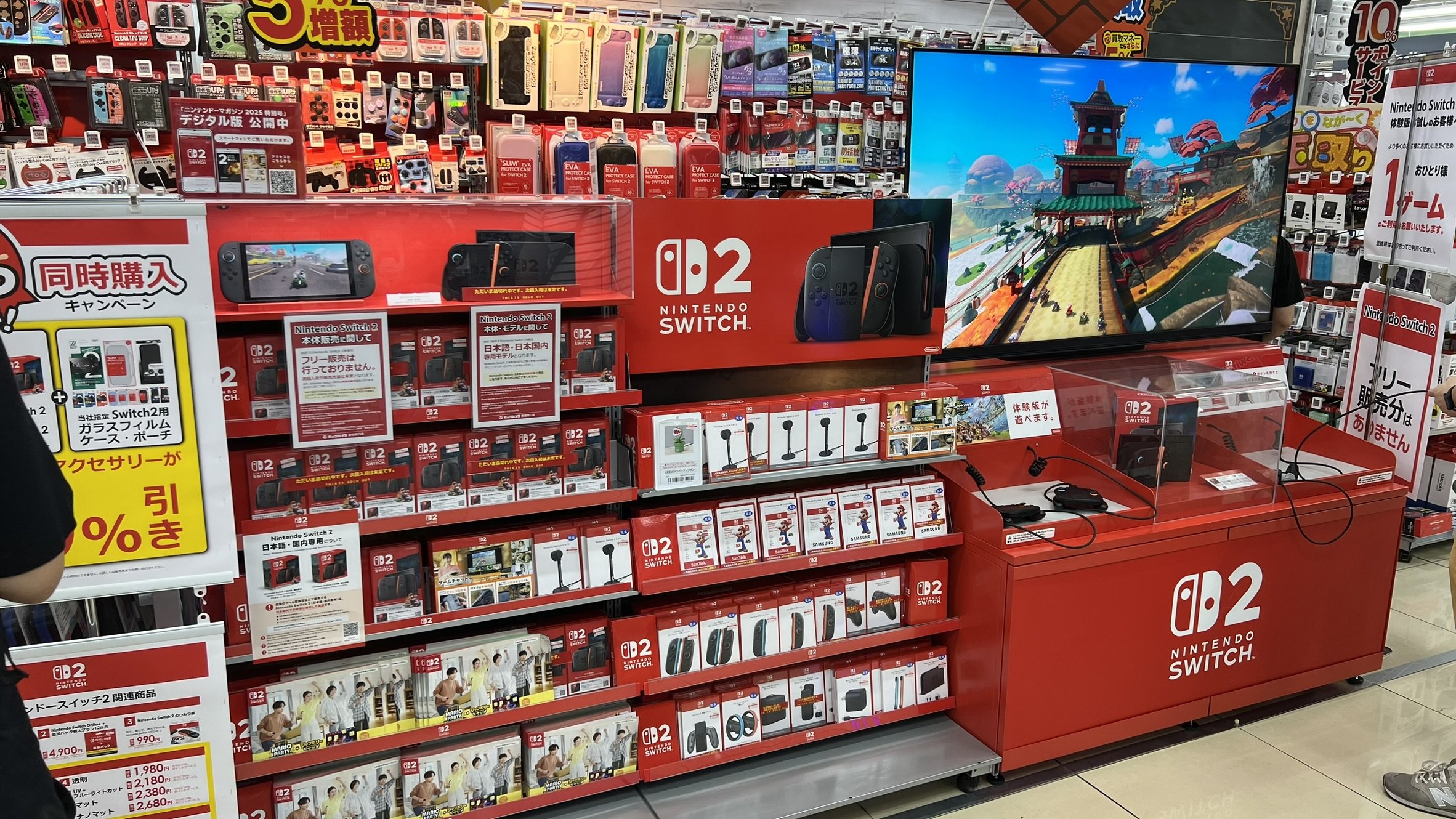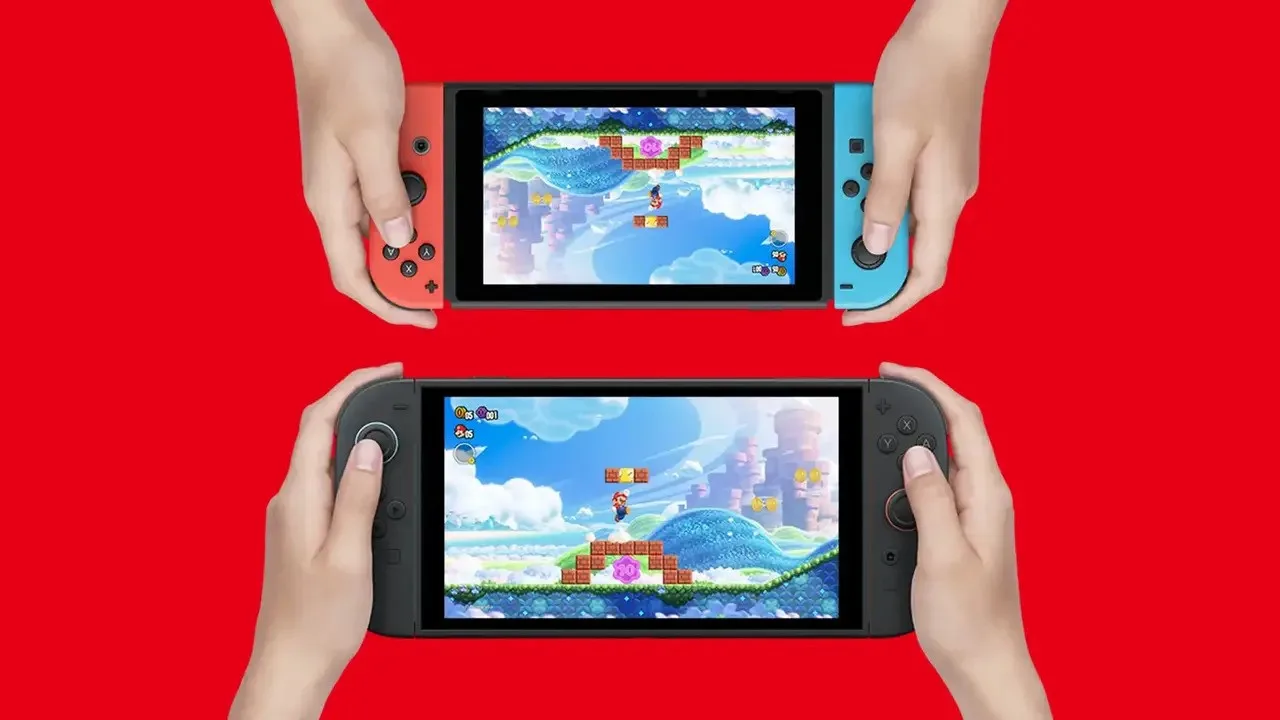
Nintendo is entering 2026 with a rare combination of pressure and momentum. On one side, the company is preparing to launch its next-generation hardware in a global market defined by volatile component prices and shifting tariff policies. On the other, it is accelerating its push into film and animation, building on the runaway success of The Super Mario Bros. Movie and positioning its iconic franchises for a new era of cross‑media storytelling.
In a recent interview with Kyoto Shimbun, Nintendo president Shuntaro Furukawa acknowledged that the company is monitoring the rapidly rising cost of RAM and the ongoing impact of U.S. tariffs with unusual intensity. The comments arrive at a critical moment, as Nintendo finalizes production plans for the long‑anticipated successor to the Switch. Furukawa explained that hardware profitability is increasingly shaped by factors outside the company’s direct control, including component procurement conditions, mass‑production efficiencies, exchange rates, and tariff fluctuations.
The most immediate concern is memory. RAM prices have surged due to AI data centers purchasing enormous quantities of high‑performance memory modules, creating scarcity across the tech sector. Furukawa noted that the memory market has become “very volatile,” though he emphasized that Nintendo has secured components based on medium‑ to long‑term business plans, insulating the company from short‑term shocks. Even so, he conceded that the situation demands close observation, as future spikes could influence the profit margins of the Switch’s successor.
Tariffs add another layer of uncertainty. U.S. import duties on electronics manufactured in Japan and other regions have already created negative impacts for hardware makers, and Furukawa acknowledged that Nintendo is not immune to these pressures. While he declined to comment on hypothetical price increases for the new console, he made clear that the company is evaluating every variable that could affect its ability to maintain competitive pricing.
Yet even as Nintendo navigates these economic headwinds, the company is expanding aggressively into film and animation. In a separate interview, also reported by VGC, Furukawa reaffirmed Nintendo’s long‑term commitment to producing movies and animated content based on its intellectual properties. The Super Mario Galaxy Movie, scheduled for release in April 2026, and the live‑action adaptation of The Legend of Zelda, set for 2027, represent only the beginning of what Furukawa described as a sustained multimedia strategy.
He emphasized that Nintendo’s approach to filmmaking mirrors its philosophy toward game development: deep involvement from the earliest planning stages, meticulous creative oversight, and a focus on long‑term brand value rather than short‑term revenue. Furukawa also left the door open for future anime projects, noting that the company is not ruling out animated series or films in traditional Japanese styles as it explores new ways to expand its worlds and characters.
The dual narratives—hardware uncertainty and cinematic expansion—reflect a company in transition. Nintendo is preparing to shift from the aging but wildly successful Switch to a new platform at a time when global supply chains remain unpredictable. At the same time, it is leveraging its cultural footprint to build a multimedia empire, positioning its franchises to thrive far beyond the console ecosystem.
Furukawa’s comments suggest a leadership team that is cautious but confident. The company is bracing for a hardware market shaped by AI‑driven demand and geopolitical trade policies, yet it is also investing in creative ventures that could define its next decade. As Nintendo moves deeper into 2026, the balance between these forces—economic pressure and creative expansion—may determine not only the trajectory of its next console, but the future identity of the company itself.