Nintendo just delivered another strange mix of triumph and frustration—an earnings report where the headline numbers look fantastic, yet one of its most anticipated games is conspicuously absent from the spotlight.
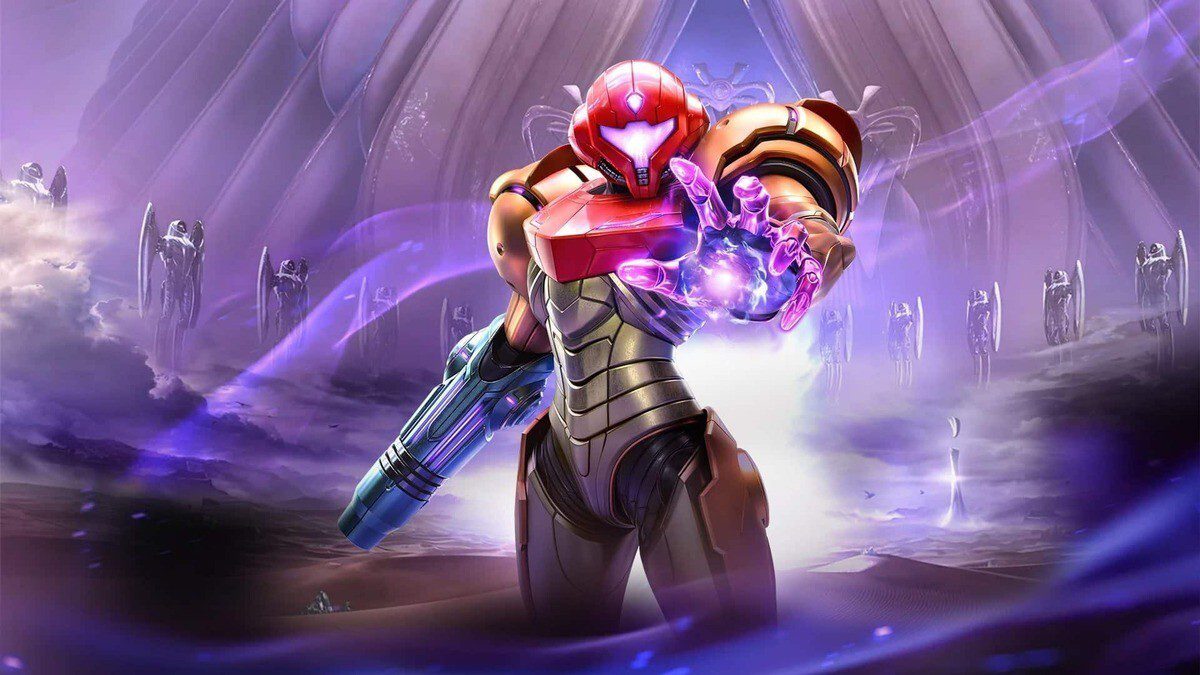
According to the latest figures, Nintendo Switch 2 has crossed 17 million units sold worldwide, maintaining its position as the fastest-selling platform in the company’s history. Hardware momentum remains strong, software sales are robust across key franchises, and digital revenue continues to climb. But buried beneath the celebratory tone is a quieter story: Metroid Prime 4 Beyond, a marquee title on paper, appears to be underperforming so significantly that Nintendo didn’t even highlight its sales.
And that silence says a lot.
Switch 2’s blistering start
Nintendo’s follow-up to the original Switch has clearly avoided the “successor slump” that has haunted other platforms.
- Hardware sales: Crossing 17 million units this early in its lifecycle cements Switch 2 as Nintendo’s fastest-selling system to date, outpacing the original Switch over the same time frame.
- Momentum drivers: A strong launch lineup, backward compatibility with existing Switch libraries, and a refined hybrid design have kept demand high. Supply constraints—once a defining issue for the original Switch—appear far less severe this time around.
- Attach rate: Early attach rates for first-party titles remain healthy, with evergreen franchises like Mario Kart, Mario platformers, and Pokémon continuing to anchor the catalog.
In other words, the hardware story is exactly what Nintendo wants: a smooth generational transition with minimal friction and maximum continuity.
Key highlights from Nintendo’s latest earnings
While the Switch 2 milestone grabs the headline, the earnings report paints a broader picture of a company still heavily powered by its core IP and ecosystem strategy.
Strong first-party software performance
Nintendo’s biggest brands continue to do the heavy lifting:
- Mario and Zelda: Recent entries and enhanced editions for Switch 2 are charting near the top of the sales rankings, benefiting from both new adopters and returning fans upgrading hardware.
- Pokémon: Even with some criticism around technical polish, Pokémon titles remain commercial juggernauts, driving both software revenue and hardware adoption.
- Evergreen catalog: Older titles from the original Switch era are seeing renewed life thanks to backward compatibility and performance enhancements on Switch 2, reinforcing Nintendo’s long-tail strategy.
Digital and subscription growth
- Digital share: A growing portion of software sales is now digital, driven by convenience, frequent discounts, and global availability.
- Nintendo Switch Online: Subscription revenue continues to climb, with expansion packs, classic game libraries, and cloud saves adding recurring value.
- Add-on content: DLC and expansions for major franchises are quietly becoming a meaningful revenue pillar, extending the lifespan of flagship titles.
Regional performance
- North America and Europe: Remain the strongest markets for Switch 2, with consistent hardware and software demand.
- Japan: Still a powerhouse for handheld and hybrid gaming, with strong adoption of both hardware and digital services.
- Emerging markets: Growth is slower but steady, often constrained more by pricing and distribution than by interest.
On paper, it’s a very “Nintendo” quarter: conservative, profitable, and anchored by familiar brands. Which makes the absence of Metroid Prime 4 Beyond all the more striking.
The Metroid Prime 4 Beyond silence
For a game with the legacy and fan anticipation of Metroid Prime 4 Beyond, you’d expect at least a mention—unit sales, engagement metrics, or even a vague “performing in line with expectations.” Instead, it’s effectively invisible in the earnings highlights.
That usually implies one of three things:
- Sales are significantly below internal expectations.
- The title is performing modestly but not enough to be a showcase example.
- Nintendo is deliberately shifting focus to other franchises that better support its current strategic narrative.
Given Metroid’s history as a critically acclaimed but commercially inconsistent franchise, the first explanation feels the most plausible. And when you look at how Nintendo handled the game’s marketing, the picture sharpens.
How “almost non-existent” marketing hurt Metroid Prime 4 Beyond
Metroid is not Mario. It’s not Pokémon. It’s not Animal Crossing. It doesn’t sell itself on brand recognition alone—especially to newer or younger audiences who may have never played a Metroid game before.
Yet Metroid Prime 4 Beyond was treated, from a marketing standpoint, almost like a niche side project rather than a flagship release.
Sparse pre-launch visibility
- Minimal trailers and showcases: Instead of a sustained campaign, the game received sporadic appearances in presentations, often overshadowed by broader crowd-pleasers.
- Weak narrative framing: There was little effort to explain why this Metroid mattered—no strong push to position it as a must-play sci-fi epic or a defining experience for Switch 2.
- Limited mainstream outreach: Marketing seemed heavily focused on existing fans and core gamers, with little crossover into broader entertainment or casual gaming spaces.
For a series that already skews “core,” this approach essentially preached to the choir and ignored everyone else.
No ecosystem build-up
Nintendo has successfully primed audiences for other franchises by building ecosystems around them:
- Mario gets movies, theme park attractions, and cross-media events.
- Pokémon has anime, trading cards, mobile games, and constant cultural presence.
- Even Zelda benefits from decades of myth-building and consistent re-releases.
Metroid, by contrast, received:
- Few re-releases or curated collections leading into Prime 4 Beyond that could onboard new players.
- Limited cross-promotion with other platforms, media, or events.
- No clear “on-ramp” for players who might be curious but intimidated by the series’ legacy.
Without that scaffolding, Metroid Prime 4 Beyond arrived in a marketplace where many players simply didn’t have a reason to care.
Poor alignment with Switch 2’s broader narrative
Switch 2’s public story is about:
- Hybrid convenience
- Accessible fun
- Social and family-friendly experiences
- Familiar, colorful IP
Metroid Prime 4 Beyond, tonally and thematically, is darker, more solitary, and more demanding. That contrast could have been a strength—“the prestige sci-fi adventure that shows what Switch 2 can really do”—but Nintendo never leaned into that angle.
Instead, the game felt disconnected from the platform’s identity, like a technically impressive but narratively unanchored release.
Why marketing mattered more than ever for Metroid
Metroid is the kind of franchise that lives or dies on intentional positioning. It doesn’t have the automatic mass-market pull of Mario or Pokémon, so it needs:
- Clear messaging: What makes this game special, now, on this hardware?
- Emotional hooks: Is it a return to form? A bold reinvention? A definitive conclusion?
- Cultural presence: Appearances in showcases, interviews, features, and cross-media spaces that keep it in the conversation.
Without that, even a great Metroid game risks becoming a “core gamer secret”—admired by a dedicated minority, ignored by the majority.
In a generation where:
- Players are overwhelmed with choice,
- Competing platforms are running aggressive, cinematic marketing campaigns, and
- Discovery is increasingly algorithm-driven,
Nintendo’s understated, almost invisible approach to Metroid Prime 4 Beyond feels out of step.
The paradox of Nintendo’s strategy
Nintendo’s current strategy clearly works at the macro level:
- Switch 2 is selling incredibly well.
- Earnings are strong and diversified.
- Evergreen franchises keep the ecosystem stable and profitable.
But that same conservatism creates blind spots:
- Risk-averse marketing: If a franchise isn’t already a guaranteed hit, it may not get the push it needs to grow.
- Over-reliance on a few IP pillars: Mario, Zelda, Pokémon, and Animal Crossing carry so much of the load that series like Metroid, F-Zero, or Star Fox struggle to break out of their niche.
- Missed opportunities for portfolio depth: Metroid Prime 4 Beyond could have been a defining “core gamer” pillar for Switch 2, showcasing technical ambition and tonal variety.
Instead, it looks like a casualty of a strategy that prioritizes safe bets and familiar comfort over cultivating a broader, more balanced lineup of flagship franchises.
Where Nintendo goes from here
If Nintendo wants Metroid to be more than a prestige side dish, it has a few options:
- Reinvest in long-tail marketing: Treat Metroid Prime 4 Beyond as a slow-burn success story—support it with updates, features, and renewed campaigns tied to platform milestones or content drops.
- Build an ecosystem around the IP: Re-releases, animated projects, lore-focused content, and crossovers could give Metroid a stronger cultural footprint.
- Use Switch 2’s momentum as leverage: With 17 million-plus users already in the ecosystem, Nintendo has a captive audience. The challenge is not reach—it’s storytelling and positioning.
Right now, Nintendo is winning the hardware war and thriving financially. But the muted presence of Metroid Prime 4 Beyond in its own earnings narrative is a reminder that even in a record-setting generation, some of its most beloved worlds can still be left in the shadows.