New York’s lawsuit against Valve marks one of the most aggressive legal challenges yet to the loot‑box economy that has shaped Counter‑Strike, Team Fortress 2, and Dota 2 for more than a decade. At its core, the state argues that Valve has built a system that functions like an unregulated gambling market—one that is especially harmful to minors. Valve, for its part, has issued a response defending its practices and disputing the legal framing.
🧭 What triggered the lawsuit
New York Attorney General Letitia James filed suit on February 25–26, 2026, alleging that Valve’s loot‑box systems constitute illegal gambling under state law. The complaint focuses on three games: Counter‑Strike 2, Team Fortress 2, and Dota 2.
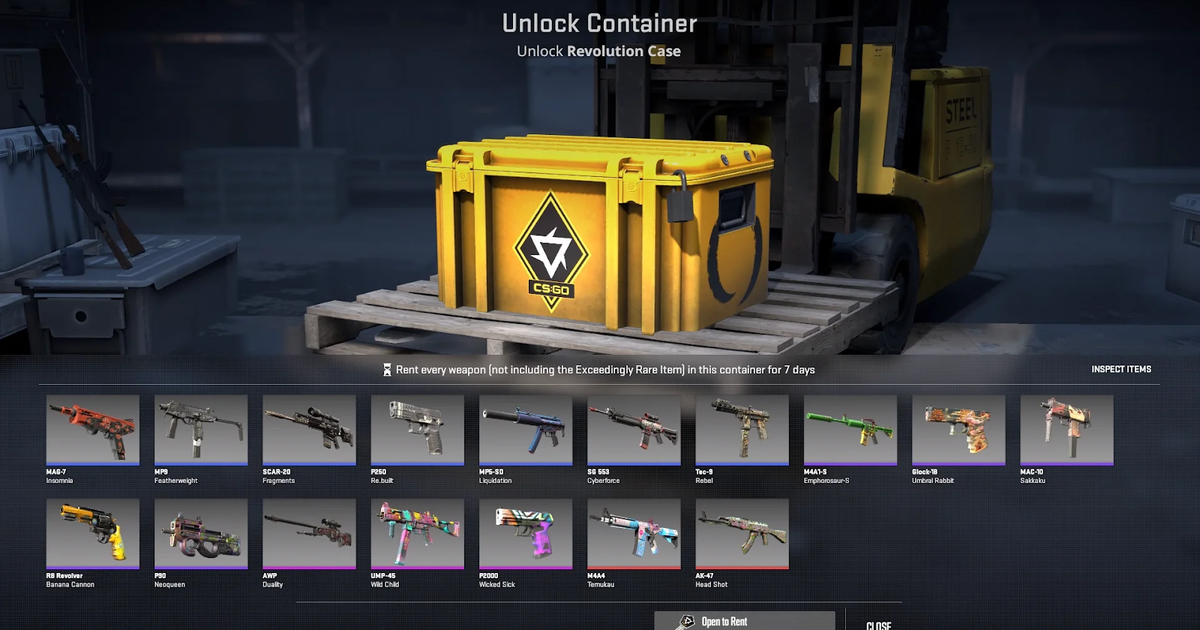
Key allegations from Lanes include Loot boxes mimic slot machines or lotteries, enticing players to pay real money for a chance at rare, high‑value items. Also, New York argues that because items can be resold—either through the Steam Community Market or third‑party sites—the loot‑box ecosystem becomes a de facto gambling market.
The Attorney General claims Valve “has made billions” by luring children and teenagers into gambling‑like behavior.
The complaint references nearly a decade of regulatory pressure, including earlier actions by the Washington State Gambling Commission and with that being said New York seeks:
- A permanent halt to what it calls illegal gambling promotion.
- Disgorgement of profits and financial penalties.
- Structural changes to how Valve designs and monetizes its games.
⚖️ How New York frames the legal argument
The lawsuit leans on several pillars:
- Chance + Consideration + Prize: New York argues that loot boxes satisfy the classic legal definition of gambling—players pay money (consideration) for a randomized outcome (chance) that can yield items with real‑world monetary value (prize).
- Market liquidity matters: The ability to resell items is not incidental; it is the “gateway to gambling,” according to the complaint.
- Youth harm: The state emphasizes addictive behavior, financial loss, and psychological manipulation, calling loot boxes “quintessential gambling.”
- Precedent‑setting potential: Regulators in Europe and other U.S. states are watching closely; a ruling against Valve could reshape global loot‑box policy.
🧩 Valve’s response to the lawsuit
Valve has issued a statement disputing the lawsuit’s characterization of its systems. While the full legal response will unfold in court, Valve’s public position includes:
- Denial that loot boxes constitute gambling: Valve argues that players are purchasing entertainment and cosmetic items, not participating in a gambling scheme.
- Emphasis on user choice and transparency: Valve maintains that players understand what they are buying and that the company provides clear disclosures.
- Distancing from third‑party markets: Valve notes that it does not operate or endorse external item‑resale sites, and has historically taken steps to curb illicit skin‑gambling operations.
- Commitment to compliance: Valve states it complies with applicable laws and will defend itself vigorously against what it views as an incorrect interpretation of its systems.
(Valve’s response is summarized from reporting across the cited sources; GamesIndustry.biz notes that Valve “disputes the allegations” and intends to contest the suit.)
🌍 Why this case matters beyond Valve
This lawsuit is not just about one company—it’s about the future of digital economies in games.
- If New York succeeds, loot boxes across the U.S. could face bans, age restrictions, or mandatory odds disclosures.
- If Valve prevails, it strengthens the legal standing of randomized monetization systems and the secondary‑market economies built around them.
- Publishers worldwide are watching, especially in Europe, where smaller rulings have chipped away at loot‑box legality but no sweeping precedent has been set.
🔍 What to watch next
- Whether the court accepts the argument that resale markets transform cosmetic items into gambling prizes.
- How Valve adjusts its systems during litigation—if at all.
- Whether other states join New York or launch parallel actions.
- The impact on esports economies, particularly Counter‑Strike’s long‑standing skin‑trading ecosystem.