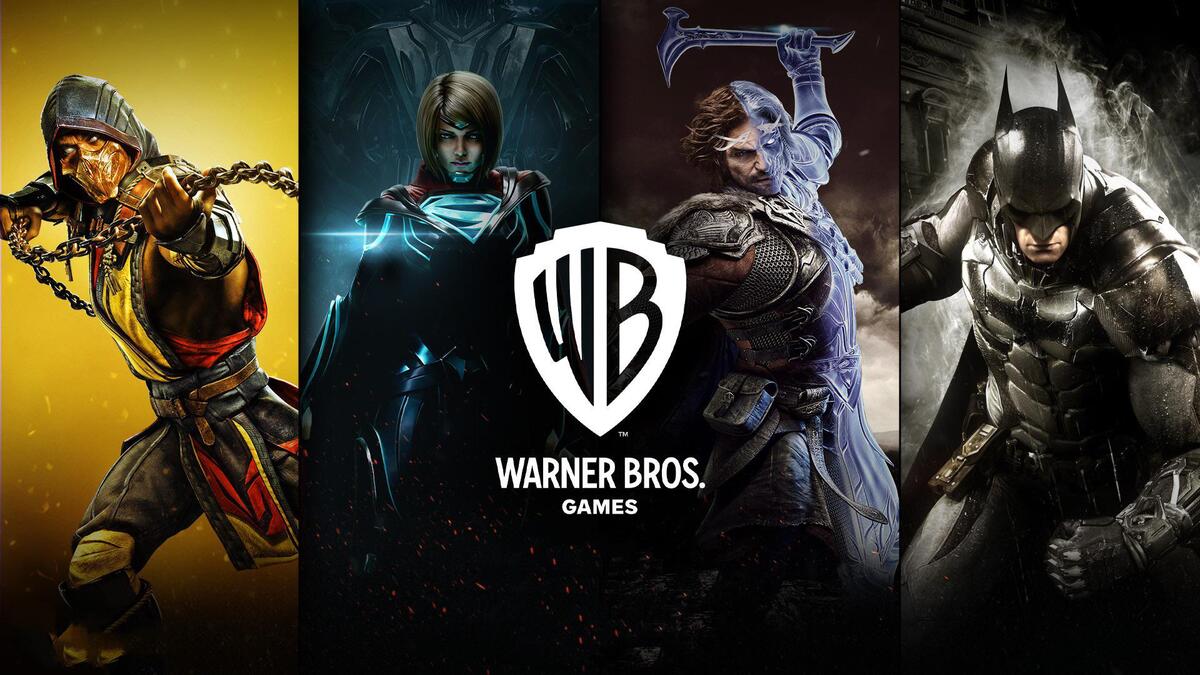
Skydance’s restructuring marks a decisive shift in the gaming business—one that directly reshapes the future of WB Games, the newly merged Paramount Games Studio, and the broader entertainment‑to‑interactive pipeline. What Variety’s report reveals is not just a corporate reshuffle; it’s the formation of one of the largest cross‑IP gaming and experiences ecosystems ever assembled, with Warner Bros. Discovery’s gaming division now fused into Skydance’s operational strategy.
Skydance’s New Gaming Power Structure
Skydance president Andy Gordon has finalized leadership across games, experiences, consumer products, publishing, HR, and global operations, signaling a future where gaming is treated as a core revenue engine rather than a side branch of film and TV. The most consequential move is the merger of Paramount and WBD’s games and experiences divisions into a single unified team—an unprecedented consolidation of Hollywood’s most valuable IP under one gaming umbrella.
This merged division now oversees franchises from both Paramount and Warner Bros., including Star Trek, Mission: Impossible, SpongeBob SquarePants, South Park, Avatar: The Last Airbender, The Godfather, Harry Potter, DC Universe, Mortal Kombat, The Matrix, Rick and Morty, and Game of Thrones. For the gaming business, this is a seismic shift: Skydance now controls a portfolio that spans family-friendly brands, prestige dramas, superhero universes, and globally dominant action franchises.
At the center of this transformation is Tony Driscoll, now president of games and experiences. His remit includes corporate strategy and development, making him the architect of how these IPs will be translated into games, theme park attractions, VR experiences, and other interactive formats. Driscoll’s memo emphasizes immersion—whether in theme parks or in combat‑driven video games—and positions the new division as a creator of “spaces where friendships are formed and communities grow.” That language is deliberate: Skydance is signaling a pivot toward persistent worlds, live‑service ecosystems, and cross‑platform engagement.
What This Means for WB Games
WB Games is no longer a standalone identity—it is now part of Skydance’s consolidated gaming empire. This includes Avalanche Software (Hogwarts Legacy), NetherRealm Studios (Mortal Kombat), Rocksteady Studios (Batman Arkham, Suicide Squad), TT Games (LEGO titles), and WB Games Montreal and Boston.
This merger fundamentally changes WB Games’ business trajectory:
WB Games becomes a strategic content engine
Instead of operating under Warner Bros.’ historically inconsistent gaming priorities, WB Games now feeds into Skydance’s broader engagement strategy. Skydance wants to meet consumers “where they watch, play, and engage,” meaning WB Games’ output will be tightly integrated with film, TV, consumer products, and theme park experiences.
DC Universe gaming enters a new era
Skydance’s leadership explicitly mentions expanding DC Comics storytelling. With Rocksteady and WB Montreal under the same umbrella as Paramount’s gaming assets, DC games may finally receive the long‑term planning and cross‑media coordination they’ve lacked for years.
Hogwarts Legacy’s success becomes a blueprint
Avalanche Software’s breakout hit demonstrated the power of high‑fidelity, open‑world adaptations of beloved franchises. Under Skydance, expect more large‑scale IP‑driven titles—especially for Avatar: The Last Airbender, Star Trek, and Game of Thrones.
Mortal Kombat gains global experiential reach
NetherRealm’s flagship franchise is uniquely positioned for theme park attractions, VR combat experiences, and esports expansion. Driscoll’s emphasis on “action, adventure, combat, competition and creativity” reads like a mission statement tailor‑made for Mortal Kombat’s future.
The Business Strategy Behind the Merger
Skydance is building a vertically integrated entertainment machine. The gaming division is no longer siloed—it is fused with experiences, consumer products, and publishing. This creates a feedback loop:
- Games fuel fandom
- Fandom drives merchandise
- Merchandise drives brand loyalty
- Brand loyalty drives theme park attendance
- Theme parks reinforce IP value
- IP value drives new games
This is Disney’s playbook, but with a more aggressive focus on interactive media. Gordon’s memo highlights “future growth engines” and “core pillars” that extend beyond traditional film and TV. The message is clear: gaming is now a primary driver of Skydance’s business model.
Why This Matters for the Gaming Industry
The consolidation of Paramount Games Studio and WB Games under Skydance is one of the most significant restructurings in modern gaming. It signals:
- A shift toward mega‑publishers built on Hollywood IP
- A future where games, theme parks, and streaming coexist as one ecosystem
- A competitive challenge to Disney, Sony, and Universal’s entertainment‑gaming strategies
- A new era of cross‑studio collaboration between historically separate developers
For WB Games, this is both a lifeline and an opportunity. Under Skydance, the division gains stability, unified leadership, and access to a massive cross‑media pipeline. For players, it means more ambitious adaptations, more interconnected worlds, and more consistent output from studios that have often been constrained by corporate turbulence.
Skydance’s restructuring marks a turning point for the gaming business, especially for WB Games. By merging Paramount’s gaming assets with Warner Bros.’ legendary studios, Skydance is creating a powerhouse capable of shaping the future of interactive entertainment. With leadership focused on immersion, cross‑platform engagement, and IP expansion, the newly unified Skydance Games division is positioned to redefine how blockbuster franchises evolve across games, experiences, and digital worlds.