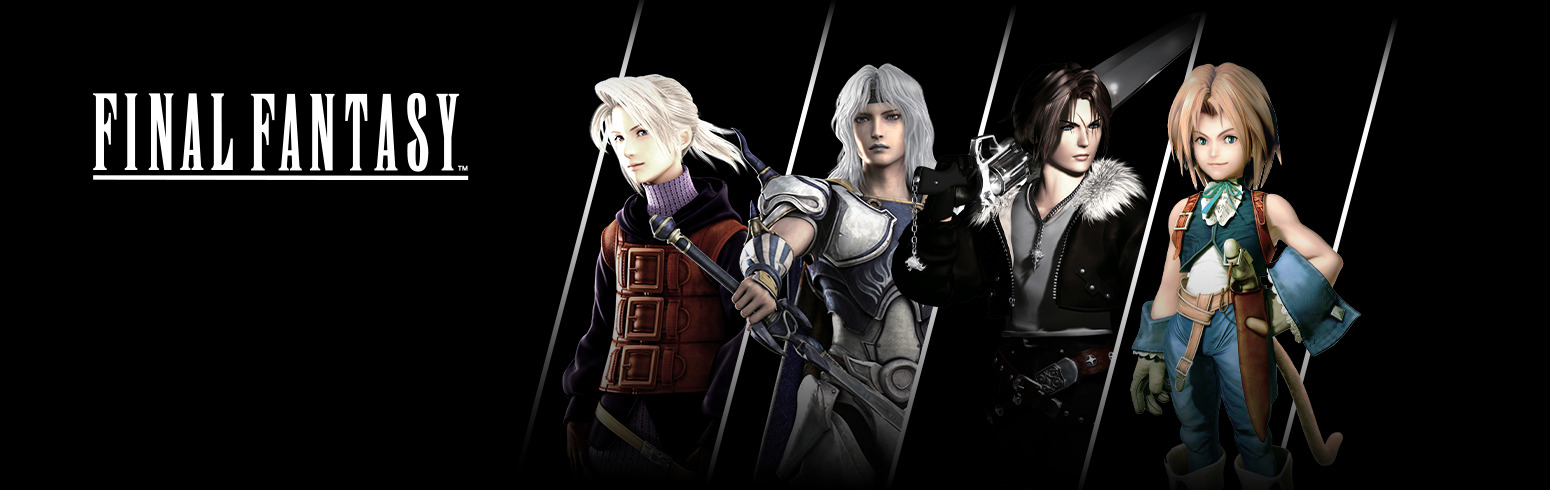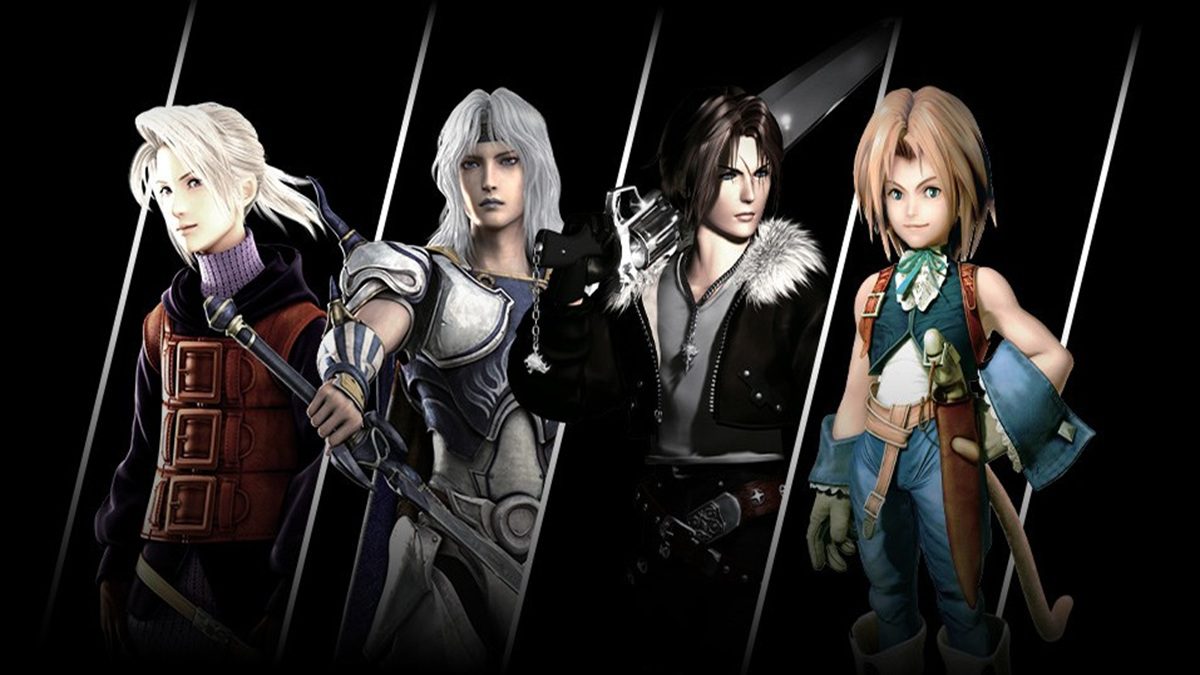
The world of classic JRPGs just received a major boost: four beloved Final Fantasy titles have officially joined GOG’s DRM‑free library. Final Fantasy III (3D Remake), Final Fantasy IV (3D Remake), Final Fantasy VIII Remastered, and Final Fantasy IX are now available—each at a generous launch discount.
But this isn’t just another batch of re‑releases. It’s a meaningful moment for digital preservation, player ownership, and the long‑term safeguarding of gaming history. In fact, this drop stands as one of the strongest examples yet of the GOG Preservation Program fulfilling its mission.
A Major Franchise Joins a Preservation‑Focused Platform
Square Enix’s decision to bring four major entries of its flagship franchise to GOG is significant. Historically, the publisher has kept tight control over distribution, often tying PC versions to specific launchers or DRM systems. By releasing these titles DRM‑free, Square Enix is signaling trust in a platform built around longevity, accessibility, and archival value.
For players, this means:
- True ownership of their games
- Offline play forever
- No launcher dependencies
- Long‑term access even if services shut down
And for preservation advocates, it’s a milestone: four culturally important RPGs now have a stable, DRM‑free home.
A Look Back: The History and Legacy of Each Title
Below is a deeper look at each game—its origins, its impact, and a synopsis of the story it tells.
Final Fantasy III (3D Remake)
Originally released: 1990 (Famicom)
3D Remake released: 2006 (Nintendo DS)
Backstory
For years, Final Fantasy III was the “lost chapter” of the franchise for Western audiences. The original Famicom version never left Japan, and fans only experienced it through imports or fan translations. The 2006 3D remake modernized the game with new character designs, full 3D environments, and quality‑of‑life improvements—finally making the title globally accessible.
Synopsis
The story follows four orphaned youths who discover a fallen crystal of light. Chosen as its Warriors of Light, they embark on a journey to restore balance to a world threatened by darkness. Along the way, they unlock a flexible job system, explore floating continents, and confront an ancient evil manipulating the world’s fate.
The 3D remake preserves the spirit of the original while making it approachable for modern players—now preserved DRM‑free for the first time.
Final Fantasy IV (3D Remake)
Originally released: 1991 (Super Famicom)
3D Remake released: 2007 (Nintendo DS)
Backstory
Final Fantasy IV is widely regarded as the franchise’s first truly cinematic entry. It introduced complex characters, emotional storytelling, and the iconic Active Time Battle (ATB) system. The 3D remake reimagined the game with voice acting, new cutscenes, and rebalanced mechanics, offering a fresh take on a foundational RPG classic.
Synopsis
The game centers on Cecil Harvey, a dark knight struggling with guilt after carrying out brutal orders for the kingdom of Baron. His crisis of conscience sets off a sweeping tale of betrayal, redemption, and cosmic conflict. Joined by a diverse cast—from the loyal dragoon Kain to the twin mages Palom and Porom—Cecil confronts a sinister force seeking to control the world’s crystals.
It remains one of the most influential JRPG stories ever told—and now has a permanent DRM‑free home.
Final Fantasy VIII Remastered
Originally released: 1999 (PlayStation)
Remastered released: 2019
Backstory
Final Fantasy VIII was a technical marvel of its time, pushing cinematic presentation and realistic character models far beyond its predecessors. However, the game’s original source code was partially lost, making preservation and porting notoriously difficult. The 2019 remaster rebuilt assets, improved character models, and added modern enhancements—effectively rescuing the game from potential digital decay.
Synopsis
Set in a world where military academies train elite mercenaries known as SeeD, the story follows Squall Leonhart, a stoic cadet drawn into a global conflict. As political tensions rise and a sorceress manipulates events from the shadows, Squall and his companions uncover a time‑spanning conspiracy that threatens reality itself.
Blending romance, war, and metaphysical mystery, Final Fantasy VIII remains one of the series’ most ambitious and divisive entries—now preserved in a stable, DRM‑free format.
Final Fantasy IX
Originally released: 2000 (PlayStation)
PC release: 2016
Backstory
Final Fantasy IX was a love letter to the franchise’s roots. After two entries focused on realism and futuristic settings, IX returned to medieval fantasy, whimsical character designs, and classic themes of crystals and destiny. It’s widely considered one of the best entries in the series, praised for its emotional depth and timeless charm.
Synopsis
The story begins with Zidane Tribal, a thief who becomes entangled in a plot to kidnap Princess Garnet. What starts as a political scheme quickly evolves into a journey across kingdoms, parallel worlds, and existential revelations. Vivi’s exploration of identity, Steiner’s loyalty, and Garnet’s growth form one of the most heartfelt ensemble narratives in JRPG history.
Now DRM‑free, this masterpiece is preserved for future generations without restrictions.
Why This Release Is a Triumph for the GOG Preservation Program
GOG’s Preservation Program aims to rescue games from digital limbo—titles that are delisted, locked behind DRM, or at risk of disappearing due to licensing or launcher shutdowns. This Final Fantasy drop exemplifies the program’s strengths:
1. Long‑term accessibility
These games will remain playable regardless of future corporate decisions or service closures.
2. DRM‑free ownership
Players can archive, back up, and preserve their copies indefinitely.
3. Cultural preservation
Final Fantasy is a cornerstone of gaming history. Ensuring these titles remain available is a cultural responsibility.
4. Industry influence
Square Enix’s participation signals growing acceptance of DRM‑free distribution among major publishers.
5. Stability and consistency
Many PC ports of these games have been scattered across platforms. GOG provides a unified, stable home.
This is exactly the kind of preservation victory the industry needs—one that proves accessibility and commercial success can coexist.
A Milestone Worth Celebrating
The arrival of these four Final Fantasy titles on GOG is more than a catalog update. It’s a preservation milestone, a win for players, and a powerful demonstration of how major publishers and preservation‑focused platforms can collaborate to safeguard gaming history.
In an era where digital media can vanish overnight, this release stands as a reminder:
Games deserve to be preserved, owned, and accessible—and GOG’s Preservation Program is showing how to make that a reality.