A Super Mario jazz medley just made Grammy history again, and its victory lands at a moment when the Recording Academy is finally treating video game music as a serious cultural force.
Super Mario’s Grammy Moment
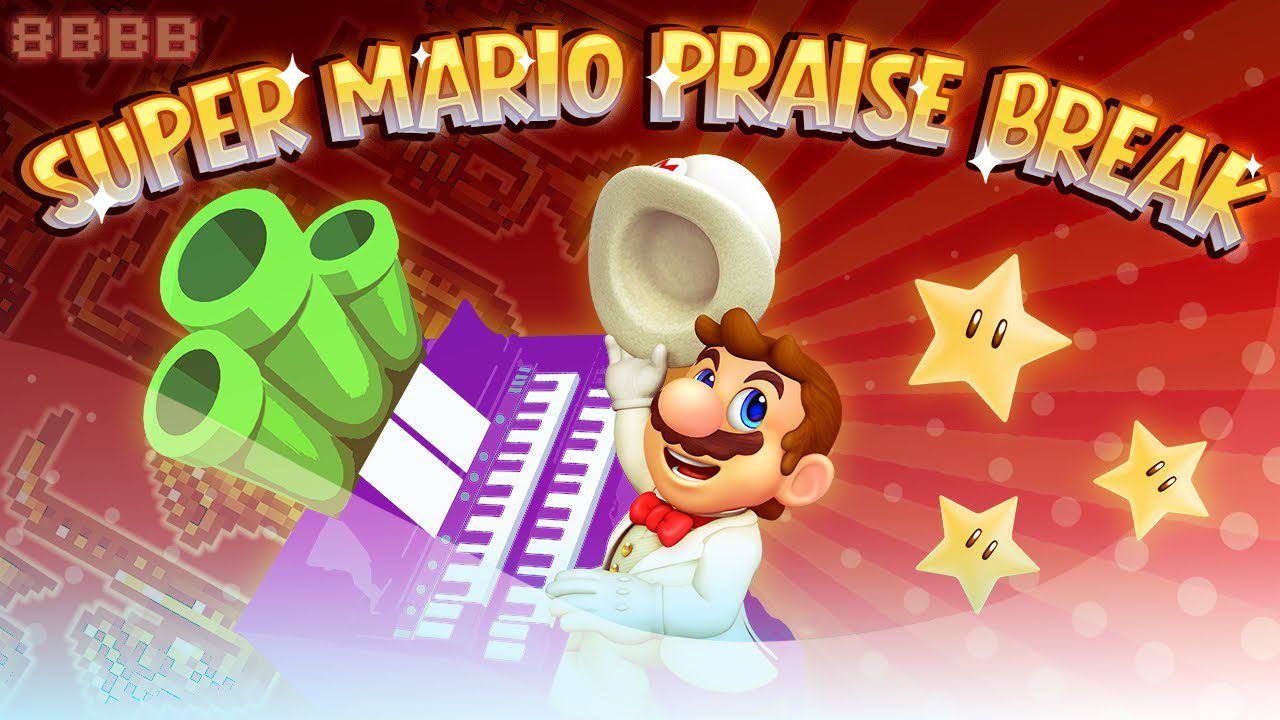
The 8-Bit Big Band’s Super Mario Praise Break—a sweeping, high‑energy instrumental medley—took home the Grammy Award for Best Arrangement, Instrumental or A Cappella, marking the ensemble’s second win for a video‑game arrangement. Their reinterpretation blends themes from Super Mario Bros., Super Mario 64, Super Mario Galaxy, and Super Mario World into a jubilant, jazz‑oriented celebration of Nintendo’s most iconic melodies. The group, a 30‑plus‑member orchestra based in New York, has built its reputation on transforming game soundtracks into big‑band showpieces, and their reaction online captured the emotional weight of the moment: gratitude, disbelief, and pride in seeing game music recognized on one of the world’s biggest musical stages.
This win arrives four years after their first Grammy for an arrangement from Kirby Super Star, and it reinforces something the gaming community has long argued: these compositions aren’t just nostalgic—they’re musically sophisticated works worthy of the same accolades as film and television scores.
Austin Wintory’s Parallel Triumph
The ceremony also honored composer Austin Wintory, whose soundtrack for Sword of the Sea earned the award for Best Game Soundtrack. Wintory, already a towering figure in game music thanks to Journey, continues to push the medium forward with scores that blend emotional clarity, experimental textures, and a cinematic sense of scale. Fellow composers praised Sword of the Sea for its ethereal choral work, Björk‑like vocal timbres, and its ability to stand alone as a full musical experience even outside the game.
How the Grammys Got Here
The Recording Academy’s relationship with video game music has evolved slowly but meaningfully. For decades, game soundtracks existed in a cultural gray zone—beloved by fans, respected by musicians, but rarely acknowledged by institutions built around traditional media. The turning point came as orchestral game concerts began selling out major venues, and as composers like Nobuo Uematsu, Koji Kondo, and Jesper Kyd became household names among players and musicians alike.
The Academy’s first major step was allowing game music to compete in existing categories, which led to scattered nominations but few wins. The real shift happened when the Grammys introduced a dedicated Best Score Soundtrack for Video Games and Other Interactive Media category, signaling that the medium had matured into a recognized artistic discipline. Since then, the Academy has increasingly embraced game music across multiple categories—arrangement, composition, and performance—reflecting a broader cultural truth: game soundtracks now shape global music tastes as powerfully as film scores once did.
Why This Win Matters
The 8‑Bit Big Band’s victory isn’t just a celebration of Mario’s musical legacy—it’s a validation of the artistry behind game composition. These melodies have accompanied generations of players, but hearing them reimagined through jazz orchestration and honored on a Grammy stage reframes them as part of the modern musical canon. It also underscores how deeply game music has permeated mainstream culture, influencing everything from concert programming to streaming playlists to academic music studies.
And for composers like Wintory, it marks a moment when game scoring is no longer a niche craft but a respected frontier of musical innovation. The Grammys are finally catching up to what players have known for decades: video game music is one of the most vibrant, emotionally resonant, and creatively daring spaces in contemporary composition.