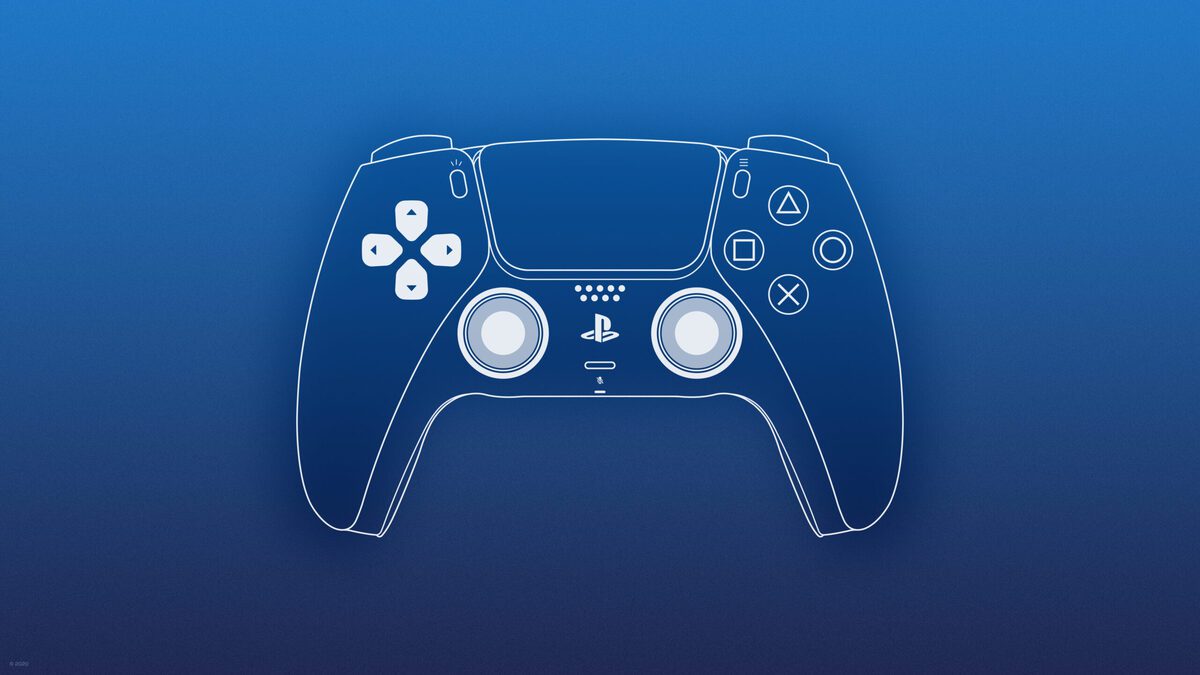
Sony’s R&D labs have always been a playground for strange, ambitious, sometimes prophetic ideas. But the company’s newly surfaced patent — a PlayStation controller with buttons that can dynamically harden, soften, or even grab your fingers — marks one of the boldest attempts yet to blur the line between physical input and digital sensation. Published late last month and spotted by Cheat Happens, the filing outlines a future where the controller doesn’t just respond to your actions; it pushes back.
A Controller Made of “Smart” Materials
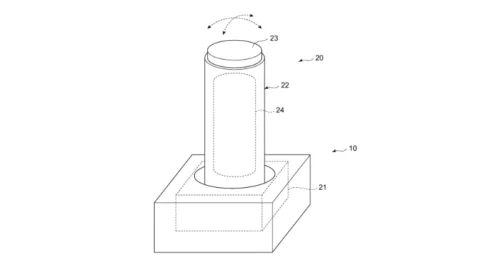
At the heart of the patent is a set of face buttons built from magnetically responsive composite materials. These materials change firmness depending on the strength of an internal magnetic field. In practice, this means the controller could alter the physical feel of its buttons in real time based on what’s happening in a game.
Sony’s own examples paint a vivid picture:
- Buttons softening as your character trudges through mud or a swamp
- Buttons stiffening as you climb a rocky cliff
- Buttons that let your fingers sink in… then tighten around them to simulate a “grab”
It’s a natural evolution of the DualSense’s haptic triggers — but far more tactile, intimate, and potentially unsettling.
The “Finger Grab” Effect
The most eyebrow‑raising feature described is a mechanic where the controller can create a temporary “trap.” A button softens, your finger presses deeper than usual, and then the material hardens, holding your finger in place. Sony frames this as a way to simulate in‑game interactions like being grabbed by a creature or caught in a mechanism.
It’s the kind of idea that could redefine immersion — or become the next “HD Rumble ice cubes” meme — depending on how developers use it.
Accessibility Potential, Not Just Immersion
Sony also notes that variable button resistance could support accessibility. Players with limited strength could set buttons to remain soft, while others might prefer firmer feedback. Adaptive resistance could also help guide players through gameplay cues without relying on audio or visual signals.
This aligns with Sony’s broader push into accessibility hardware, including the Access Controller launched for PS5.
A Pattern of Experimental Patents
It’s important to remember that Sony files patents constantly, and most never become consumer products. Still, this filing fits into a larger pattern of experimental controller concepts:
- A touchscreen controller that lets players reposition and resize buttons
- AI‑generated podcasts starring video game characters
- AI systems that can play games on behalf of the user
- Rumored PS6 hardware exploration, including a potential portable companion device
Sony is clearly imagining a future where PlayStation hardware becomes more adaptive, more tactile, and more AI‑driven.
What This Means for PlayStation’s Future
Whether this “finger‑grabbing” controller ever leaves the lab is anyone’s guess. But the patent signals Sony’s ongoing commitment to physical immersion — a space where PlayStation has historically led. From the original DualShock to the DualSense’s adaptive triggers, Sony has repeatedly pushed controller tech forward.
This new concept suggests the next frontier isn’t just vibration or resistance — it’s material transformation. A controller that changes shape and feel on the fly could open the door to entirely new gameplay languages.
For now, it remains a fascinating glimpse into the kind of future Sony is imagining for PlayStation players. And if even half of these ideas make it into a real product, the PS6 era could be the most tactile generation yet.