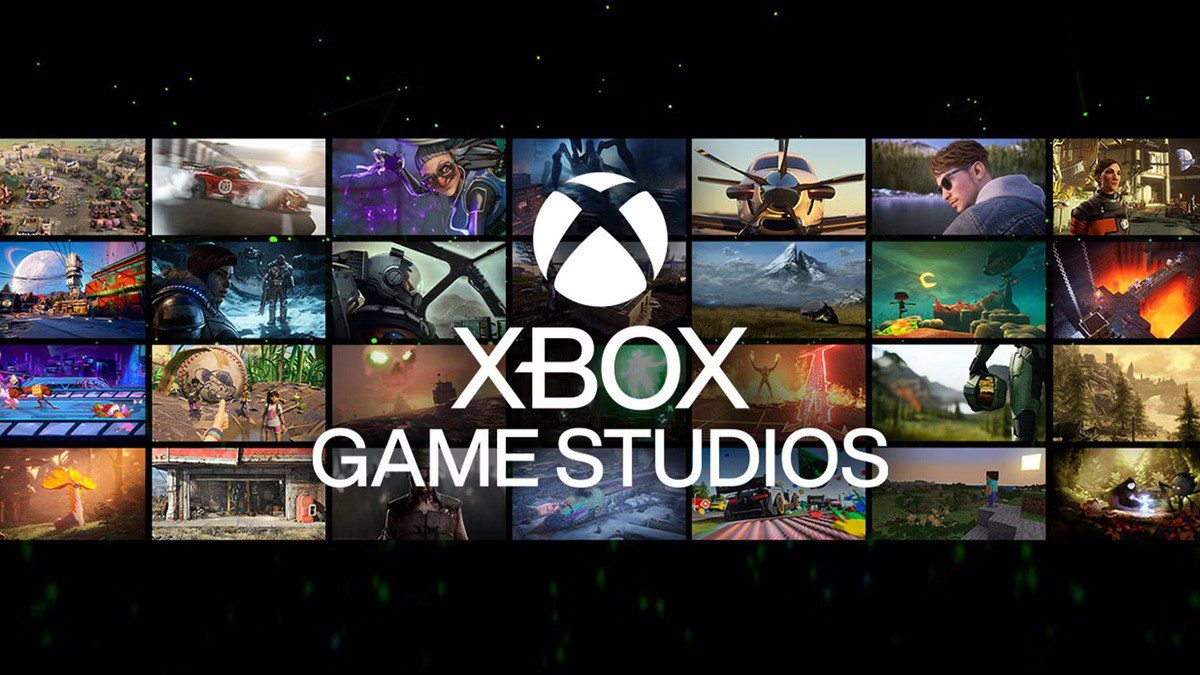
For more than ten years, Microsoft’s Xbox division lived in a paradox of ambition and insecurity. It bought studios at a pace the industry hadn’t seen since the early 2000s consolidation wave, spending tens of billions to transform itself from a platform with a handful of reliable internal teams into a sprawling constellation of developers spread across the U.S., Europe, and Asia.
That era — the era of “more studios, more games, more Game Pass” — is now colliding with a harsher reality. According to people familiar with internal planning as per sources at Bloomberg, several Xbox teams have been warned to brace for potential closures or restructuring as Microsoft continues its cost‑cutting campaign across gaming. The mood inside many studios is described as “quiet dread,” a sense that the long‑promised stability of being under the Microsoft umbrella has evaporated.
The shift didn’t happen overnight. It’s the culmination of a decade‑long strategy that began with optimism, swelled into empire‑building, and now threatens to collapse under its own weight.
The Buying Spree That Rewrote Xbox’s Identity
To understand why today’s anxiety feels so heavy, you have to rewind to the mid‑2010s — the Xbox One era, when Microsoft was still recovering from a disastrous launch and a brand identity crisis. Phil Spencer, newly elevated to lead Xbox, made a simple but bold diagnosis: the platform didn’t have enough games, and the games it did have weren’t enough to compete with Sony’s prestige output.
The solution was acquisition.
First came the “Class of 2018”: Ninja Theory, Playground Games, Undead Labs, Compulsion Games, and the creation of The Initiative. It was a statement of intent — a promise that Xbox would rebuild its first‑party lineup from the ground up.
Then came the megaton: ZeniMax Media, parent company of Bethesda Softworks, id Software, Arkane, MachineGames, Tango Gameworks, and more. At $7.5 billion, it was the largest acquisition in gaming history at the time. Microsoft framed it as a generational investment, a way to secure iconic franchises like The Elder Scrolls, Fallout, and Doom for the Xbox ecosystem.
But even that wasn’t the peak.
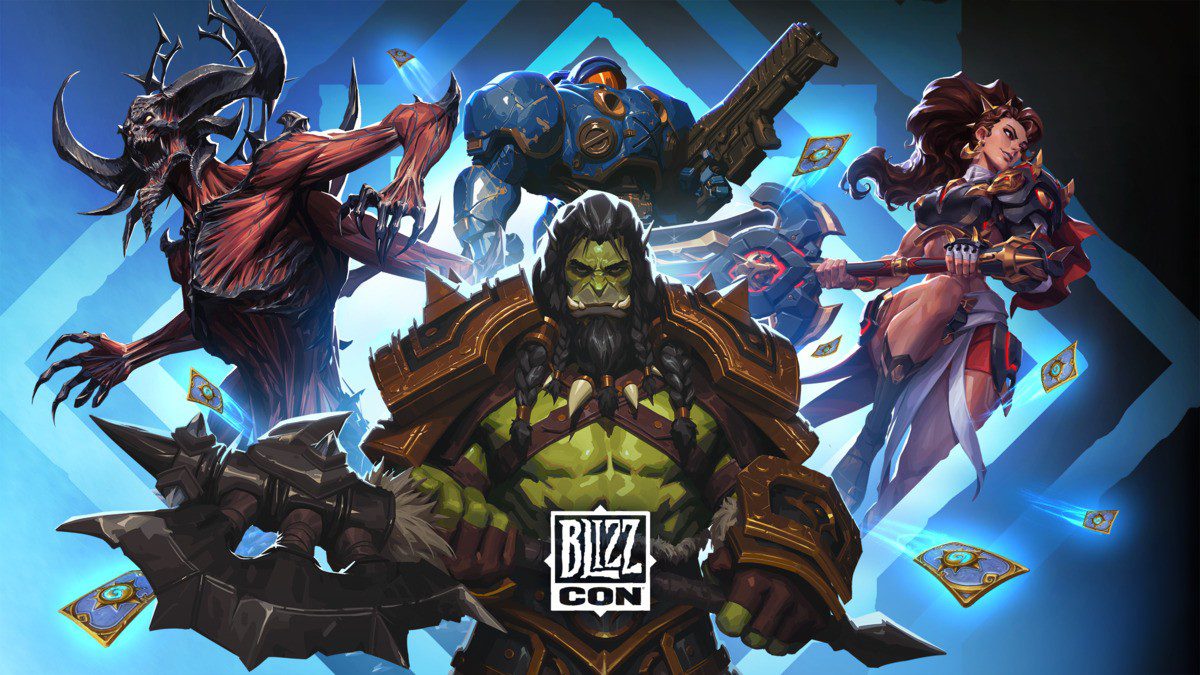
In 2022, Microsoft announced its intent to buy Activision Blizzard King for nearly $70 billion — a move so massive it triggered global regulatory scrutiny, political debate, and a year‑long legal battle. When the deal finally closed in 2023, Xbox became the largest Western publisher overnight. The company now owned Call of Duty, Diablo, Overwatch, World of Warcraft, Candy Crush, and dozens of studios across multiple continents.
The dream was clear:
Game Pass would become the Netflix of gaming, powered by a pipeline of first‑party releases from more than 30 internal teams.
But dreams are expensive. And Microsoft, even with its trillion‑dollar valuation, has limits.
The Cracks Begin to Show
The first signs of strain appeared quietly. Projects slipped. Budgets ballooned. Some studios struggled to scale up under Microsoft’s famously hands‑off management style. Others found themselves caught between shifting corporate priorities — cloud gaming one year, live service the next, multiplatform expansion after that.
Then came the layoffs.
In early 2024, Microsoft cut nearly 2,000 jobs across Xbox and Activision Blizzard. Entire teams were dissolved, including the beloved Tango Gameworks, fresh off the critically acclaimed Hi‑Fi Rush. Arkane Austin, the studio behind Prey and Redfall, was shuttered. Fans were stunned; developers were blindsided.
Internally, the message was blunt: the division was too large, too expensive, and too inconsistent in output.
Now, in mid‑2026, the cycle appears to be repeating.
Studios Brace for Another Wave
According to people familiar with the situation, several Xbox studios have been told to prepare for potential restructuring or closure. The warnings are not uniform — some teams have been given explicit signals, others only hints — but the atmosphere is unmistakable.
Developers describe:
- Sudden budget freezes
- Hiring pauses
- Projects entering “evaluation phases”
- Leadership meetings with unusually vague language
- A sense that the company is preparing to “trim the portfolio” again
One developer reportedly described the mood as “waiting for the axe to fall, but not knowing which direction it’s swinging.”
The uncertainty is amplified by Microsoft’s broader corporate strategy. The company has been aggressively cutting costs across multiple divisions, even as it invests heavily in AI and cloud infrastructure. Gaming, despite being a cultural pillar, is not immune to the financial pressures of a company recalibrating its priorities.
The Human Cost of a Corporate Pivot
What makes this moment particularly painful is the emotional whiplash. For years, Microsoft sold the dream of stability. Studios that once feared closure under independent ownership embraced the idea of being part of a tech giant with deep pockets and long‑term vision.
Now, that promise feels fragile.
Developers who relocated their families, expanded their teams, or committed to multi‑year projects under the assumption of security are suddenly facing the possibility of layoffs or dissolution. Some are quietly updating résumés. Others are trying to finish milestones in hopes of proving their project’s worth.
The irony is sharp:
The very acquisitions meant to strengthen Xbox may now be contributing to its instability.
A Decade Later, the Question Returns: What Is Xbox?
The Xbox brand has always wrestled with identity. Is it a console platform? A services platform? A publisher? A cloud ecosystem? A multiplatform content provider?
The last decade’s acquisitions were supposed to answer that question by brute force — more studios, more IP, more output. But the strategy created a new problem: a portfolio so large that even Microsoft struggles to manage it.
Now, as studios brace for closures, the industry is asking whether Xbox’s empire‑building was sustainable or simply inevitable hubris.
The answer may define the next decade of gaming.
The Road Ahead
Nothing is final yet. Some studios may survive untouched. Others may be merged, downsized, or quietly sunset. Microsoft is expected to make formal announcements later this year, and insiders say the decisions will be framed as “strategic realignment” rather than cost‑cutting.
But the mood inside Xbox tells a different story — one of fear, fatigue, and a sense that the golden age of acquisitions has given way to a reckoning.
For players, the impact may not be immediate. Games already deep in development will continue. Game Pass will keep growing. The Xbox hardware roadmap remains intact.
But for the people making the games — the artists, engineers, designers, producers — the next few months may determine whether their studio has a future or becomes another footnote in the long, complicated history of Xbox’s rise, fall, and reinvention.