
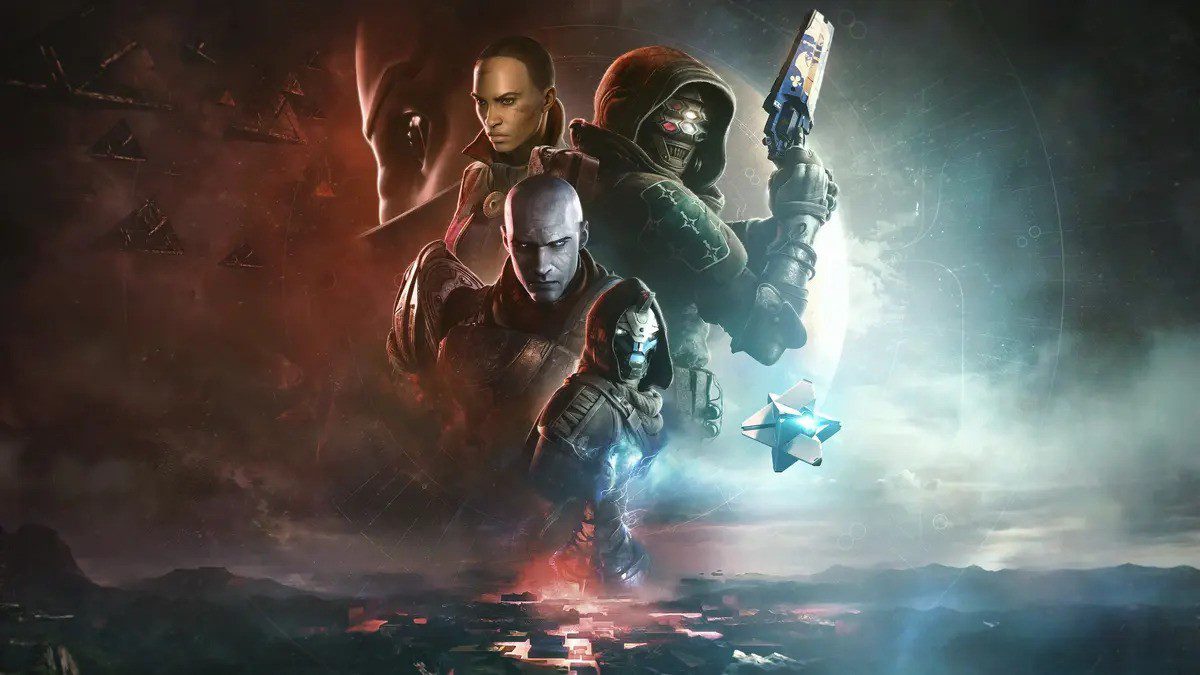
Bungie announced that June 9, 2026 will mark the final live‑service update for Destiny 2, it wasn’t just the end of a content cycle. It was the closing of a twelve‑year chapter—one that began long before Guardians first stepped into the Cosmodrome, before the Traveler hovered over our screens, before “loot cave” became a cultural artifact.
To understand why this moment matters, you have to go back to the moment Bungie reclaimed its soul.
The First Break: Bungie Walks Away From Microsoft (2007)
In 2007, Bungie shocked the industry by negotiating its independence from Microsoft—an almost unthinkable move at the time. Halo was not just a franchise; it was the backbone of the Xbox identity. But Bungie had always been a studio that thrived on reinvention. They feared becoming “the Halo factory,” a fate that would calcify their creativity.
Microsoft agreed to let them go, retaining ownership of Halo while Bungie regained its autonomy. It was a divorce without bitterness, but with a clear message: Bungie wanted to build something new, something bigger, something that wasn’t bound to a single console or a single universe.
That “something” would eventually become Destiny.
The Activision Era: Ambition Meets Reality (2010–2019)
In 2010, Bungie signed a massive 10‑year publishing deal with Activision. It was a partnership built on scale—Activision had the global infrastructure, Bungie had the vision. Together, they would create a “shared world shooter,” a phrase that didn’t exist before Bungie coined it.
Destiny launched in 2014 to a mix of awe and confusion. The gunplay was immaculate—Bungie’s signature. The world was mysterious, beautiful, and unlike anything else. But the story was fragmented, the progression uneven, and the content pipeline strained.
Still, players stayed. They stayed because Destiny felt alive. They stayed because Bungie’s worlds always feel like home.
By 2017, Destiny 2 arrived with a clearer narrative and a more accessible structure. But the tension between Bungie’s creative instincts and Activision’s production demands grew. In 2019, Bungie made another impossible move: they split from Activision and took Destiny with them.
Lightning had struck twice. Bungie was independent again.
The Independent Years: Destiny Becomes a Universe (2019–2022)
Free from Activision, Bungie rebuilt Destiny 2 into the game they always wanted it to be. Expansions like Forsaken, Shadowkeep, Beyond Light, and The Witch Queen delivered some of the strongest storytelling in the franchise’s history. The community grew, fractured, healed, and grew again.
But independence is expensive. Live‑service development is relentless. And Bungie had ambitions beyond Destiny.
Sony Enters the Picture (2022)
In 2022, Sony acquired Bungie for $3.6 billion—but crucially, Bungie retained creative independence. Sony wanted Bungie’s expertise in live‑service design, and Bungie wanted stability and resources to build new worlds.
Destiny continued, but the pressure mounted. Player numbers fluctuated. Expansions hit highs and lows. And in 2026, Sony reported a $765 million impairment loss tied to Bungie—an unmistakable sign that the Destiny model was no longer sustainable at its current scale.
Then came Marathon, Bungie’s extraction‑shooter revival. Its launch was rocky. Its reception uncertain.
The writing was on the wall.
The Announcement: Destiny 2’s Final Update (May 21, 2026)
On May 21, Bungie confirmed what many had quietly suspected:
Destiny 2 is receiving its final live‑service update on June 9, 2026.
The update is described as a “collection of love letters” to players—fan‑requested features, returning modes, and small narrative beats designed to leave characters “in interesting places.” It’s not a grand finale. It’s a gentle closing of the book.
Bungie’s message to players was heartfelt:
“For almost twelve years, we have had the joy and honor to explore the Destiny universe with you all… While our love for Destiny 2 has not changed, it has become clear that after The Final Shape, we have reached the time for our shared worlds, and Destiny, to live beyond Destiny 2.”
The studio emphasized that Destiny 2 will remain playable—just as the original Destiny still is—but active development is ending. The team is shifting toward “incubating our next games.”
Destiny, as a live‑service machine, is shutting down.
Destiny, as a universe, is being preserved.
What This Moment Really Means
This isn’t a failure. It’s a cycle completing itself.
Bungie has always been a studio that refuses to be trapped by its own success. They walked away from Halo at its peak. They walked away from Activision at a moment of maximum risk. And now, they’re stepping away from the game that defined an entire generation of live‑service design.
Destiny changed the industry. It created a new genre. It built communities, friendships, clans, rivalries, and memories that will outlive any server.
But Bungie has never been a studio that stays in one place. Reinvention is their heartbeat.
Where Bungie Goes Next
The studio is already incubating new projects—plural. Marathon will continue to evolve, but Bungie’s language suggests something more: new worlds, new IP, new experiments.
Destiny may return someday in a new form. Or it may remain a completed saga, preserved like a constellation in the night sky.
What’s certain is this:
Bungie is once again standing at the edge of a cliff, staring into the unknown, ready to jump.
And historically?
That’s when they do their best work.
One thought on “Bungie To Stop Adding New Content Updates for Destiny 2 By July 2026”
Comments are closed.