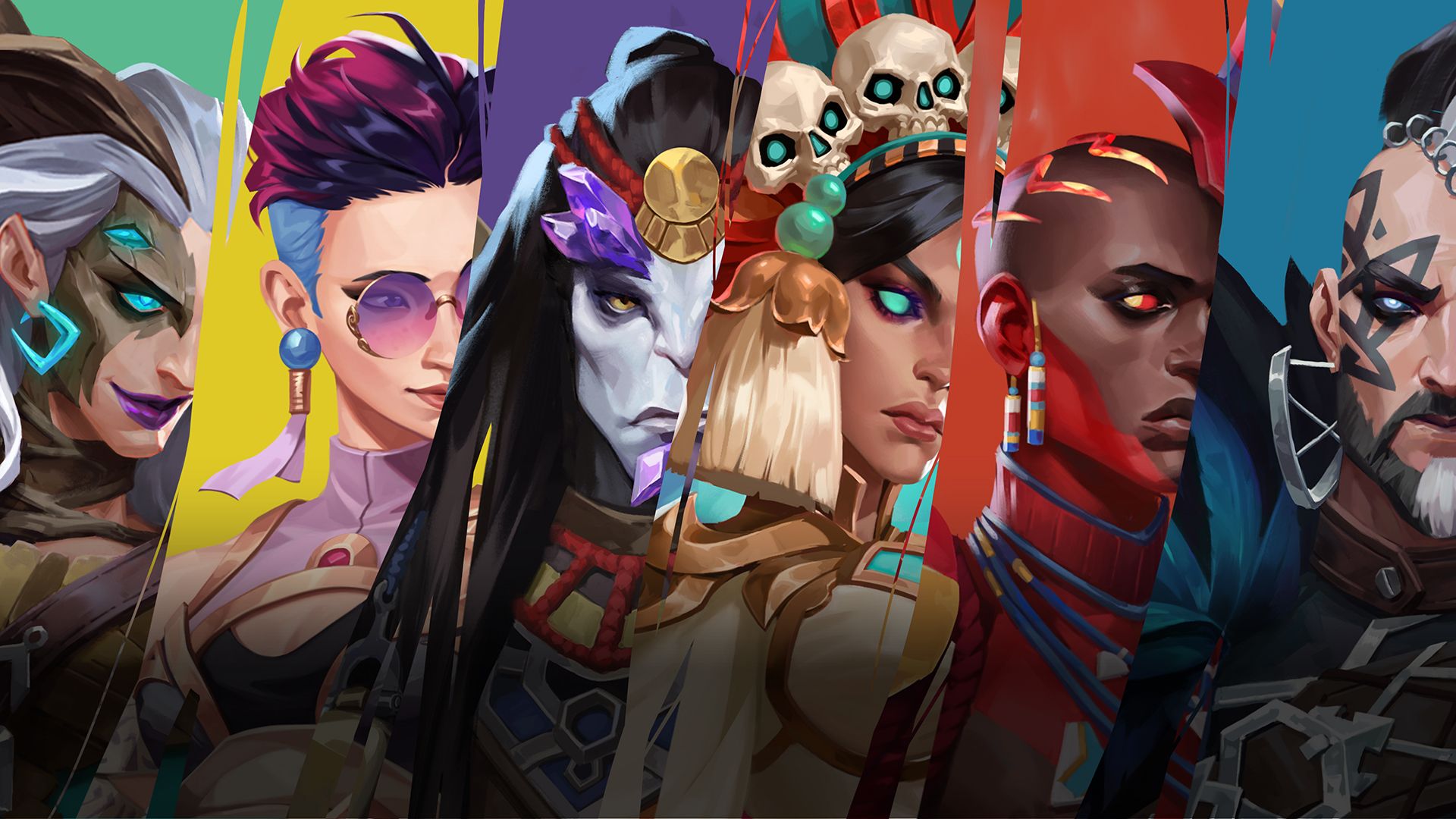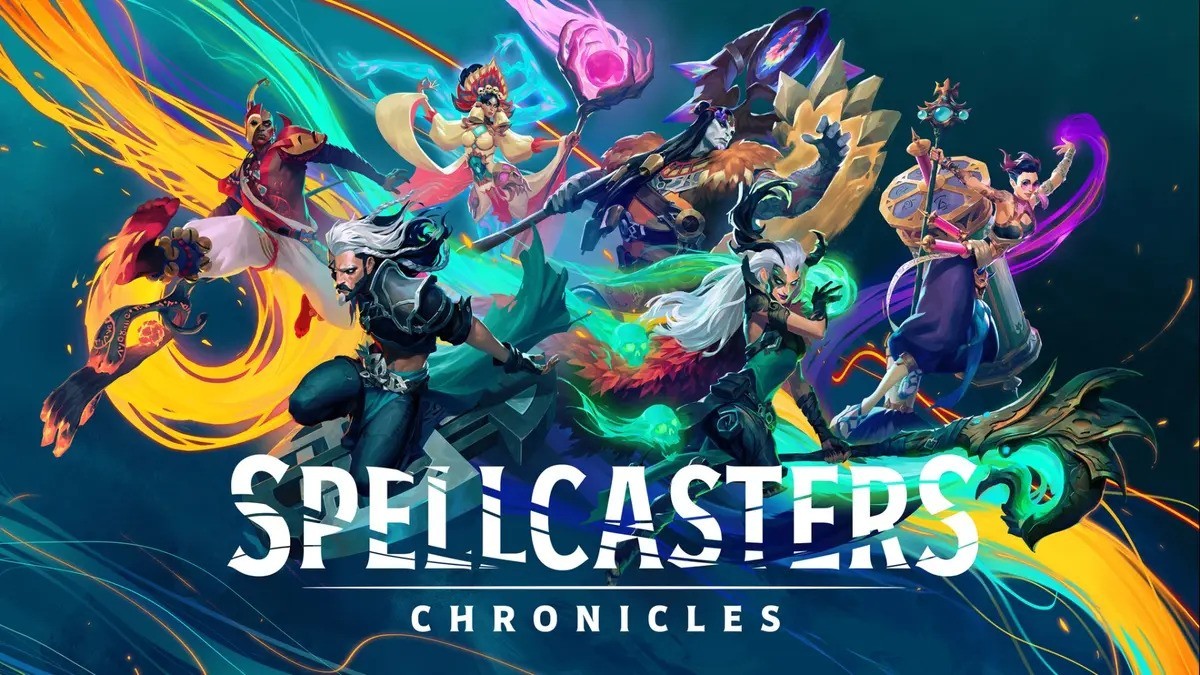
When Quantic Dream announced Spellcasters Chronicles, the studio framed it as a bold leap into unfamiliar territory—a multiplayer live-service experiment from a developer best known for tightly scripted, single‑player dramas. Three months after launch, that experiment has come to an early end. The studio confirmed that servers for Spellcasters Chronicles will go offline on June 19, 2026, and all early‑access players are eligible for full refunds upon request.
The cancellation marks a rare public retreat for a studio that has spent nearly three decades cultivating a reputation for narrative ambition. But it also reflects the unforgiving realities of today’s live‑service market, where even established names struggle to secure a sustainable audience.
A Risky Pivot Years in the Making
To understand why Spellcasters Chronicles existed at all, you have to look back at Quantic Dream’s trajectory.
Since the early 2000s, the Paris‑based studio has carved out a niche with cinematic, choice‑driven adventures like Heavy Rain, Beyond: Two Souls, and Detroit: Become Human. These games were commercial successes and cultural talking points, but they also locked the studio into a specific identity—one that co‑CEO Guillaume de Fondaumière openly acknowledged had become both a strength and a constraint.
By 2023, as the industry shifted toward multiplayer retention models and transmedia franchises, Quantic Dream began exploring ways to diversify. The studio’s acquisition by NetEase in 2022 gave it the financial runway to experiment, and Spellcasters Chronicles became the internal proving ground: a cooperative action title built around spell‑slinging combat, seasonal content, and a shared world—everything Quantic Dream had never attempted before.
De Fondaumière described the project as a “risky, bold, new move into a totally new direction” in an interview last year. The team knew they were stepping into a crowded arena dominated by giants, but they hoped innovation and world‑building would carve out a foothold.
A Launch That Never Found Its Audience
Despite the ambition, Spellcasters Chronicles struggled almost immediately.
The game entered early access with modest expectations, but the studio quickly realized that the player base wasn’t growing at the pace needed to sustain ongoing development. In its announcement, Quantic Dream cited “today’s particularly challenging market environment” and acknowledged that the game “has not reached the audience needed to ensure its long‑term sustainability”.
The live‑service landscape has become brutally competitive. Even well‑funded projects from major publishers—Babylon’s Fall, Rumbleverse, Knockout City—have shuttered within months. For a studio attempting its first multiplayer title, the margin for error was razor thin.
Quantic Dream’s decision to offer full refunds suggests the studio wants to preserve goodwill with its community, even as it winds down the project.
Internal Reorganization and the Shadow of Star Wars Eclipse
With Spellcasters Chronicles ending, Quantic Dream is initiating an internal reorganization. The studio emphasized that it will prioritize reassigning staff to ongoing productions, most notably Star Wars Eclipse, which remains unaffected by the cancellation.
This is significant. Eclipse is widely viewed as Quantic Dream’s flagship project—a return to the narrative‑driven formula that made the studio famous, but on a far larger scale thanks to the Star Wars license. De Fondaumière has previously said that “most of the people that worked on Detroit: Become Human” are now focused on Eclipse.
In that context, Spellcasters Chronicles was always the wildcard: a parallel experiment running alongside the studio’s biggest bet in years. Its cancellation may streamline Quantic Dream’s priorities rather than derail them.
A Cautionary Tale for Studios Chasing Live‑Service Success
The short life of Spellcasters Chronicles underscores a broader industry truth: the live‑service model is no longer the gold rush it once appeared to be. Players have become more selective, competition is relentless, and maintaining a multiplayer ecosystem requires constant content, community management, and marketing muscle.
For Quantic Dream, the attempt was a learning experience—one that tested the studio’s adaptability and exposed the challenges of stepping outside its comfort zone. But it also reaffirmed where the studio’s strengths lie: in narrative‑driven, single‑player storytelling.
As the servers prepare to go dark, Spellcasters Chronicles becomes another entry in the growing list of ambitious live‑service titles that couldn’t find their footing. Yet for Quantic Dream, the story isn’t one of defeat. It’s a recalibration, a reminder of the studio’s identity, and a renewed focus on the projects that define its legacy.