
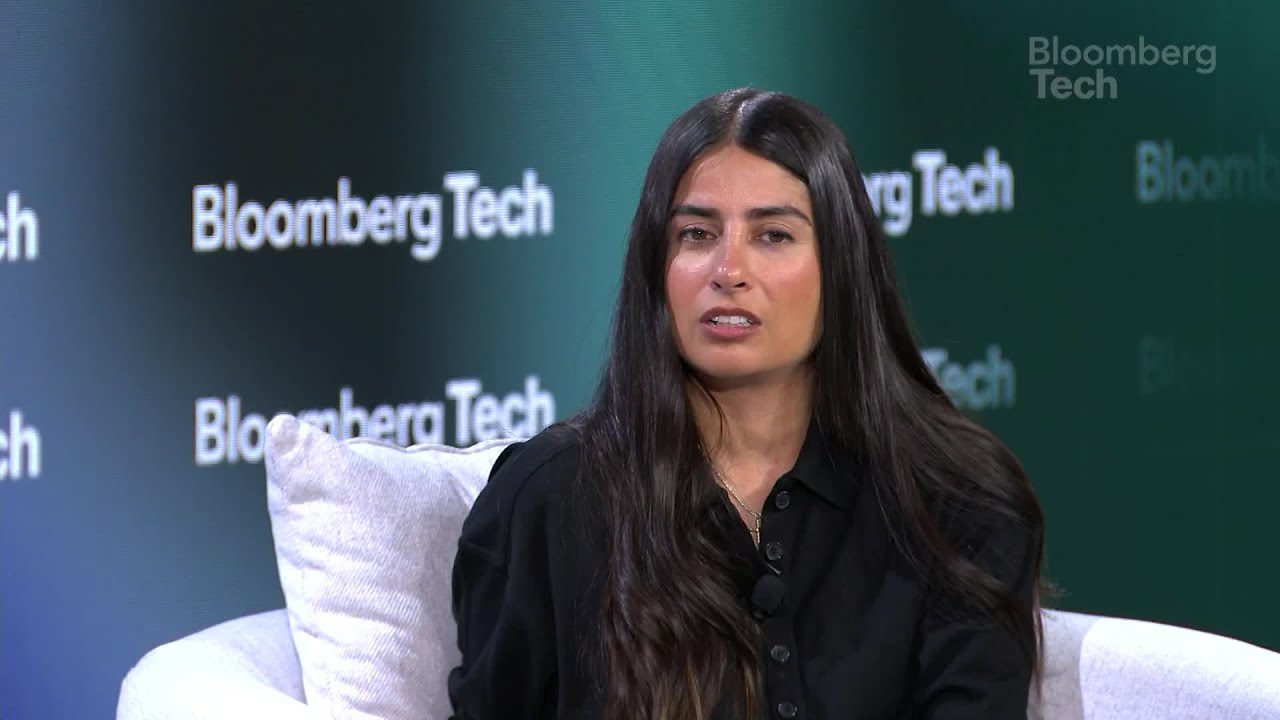
Xbox’s new CEO, Asha Sharma, has spent her first months in the role outlining an ambitious, sometimes blunt vision for the future of the brand — one that blends aggressive long‑term goals with a candid acknowledgment of the challenges Xbox faces today. Across her Bloomberg Tech interview and follow‑up reporting from VGC and other outlets, a clearer picture has emerged of a leader intent on reshaping Xbox’s identity, its business model, and its place in the industry.
A Mandate to Become “Number One” by 2030
Sharma’s most headline‑grabbing statement is also her most direct: she wants Xbox to become “the number one gaming and entertainment company” by 2030. She repeats this not as a lofty aspiration but as a mandate — the core metric by which she intends to measure her tenure.
In her Bloomberg conversation, Sharma stresses that her job is not to chase enterprise‑level margins or short‑term profitability. Instead, she frames Xbox as a long‑term investment that Microsoft has already poured billions into: the Activision Blizzard King acquisition, the Zenimax purchase, hardware subsidies, and platform infrastructure.
But she also admits the obvious: “We’re not in a healthy spot.” The next 100 days, she says, are about resetting the business, stabilizing the platform, and rebuilding trust with players.
The Activision Blizzard Deal: A Burden or a Blessing?
When asked whether the $69 billion Activision Blizzard King acquisition was worth inheriting — especially after layoffs, cancellations, and Game Pass price hikes — Sharma didn’t hesitate.
She points to Call of Duty’s revenue, now surpassing the entire Marvel Cinematic Universe, and the enduring strength of franchises like World of Warcraft and Candy Crush. To her, these aren’t just assets — they’re pillars of a publishing empire that Xbox can build upon for decades.
Her stance is clear: any entertainment company would want these properties, and she intends to leverage them as foundational to Xbox’s future.
Exclusivity: A “Tough Topic” With No Easy Answers
One of the most scrutinized parts of Sharma’s interview is her evolving stance on exclusivity. She acknowledges the tension at the heart of Xbox’s identity:
- As the second‑largest publisher in the world, Xbox needs its games to reach massive audiences.
- As a platform, Xbox must offer exclusive content and services to remain competitive.
Sharma doesn’t pretend the answer is simple. She calls exclusivity a “tough topic”, one that requires a title‑by‑title strategy rather than a blanket policy. The reevaluation is ongoing, and she emphasizes that Xbox must learn from industry precedents before making irreversible decisions.
Her comments suggest neither a full retreat from multiplatform releases nor a return to rigid “Only on Xbox” branding. Instead, she hints at a more nuanced, data‑driven approach — one that balances reach with platform identity.
Resetting the Hardware Strategy — and the Future of Project Helix
Sharma’s interview also dives into the escalating cost of hardware. With AI‑driven components, memory, and storage now 2.75× more expensive than previous generations, she acknowledges that Xbox’s current consoles are still sold at a loss.
Her next 100 days include a major priority: making Project Helix — Xbox’s next‑gen console — affordable without compromising performance.
She frames this challenge as solvable only through innovation, not cost‑cutting. And while she reaffirms that consoles remain “core” to Xbox’s identity, she also makes clear that the platform will continue expanding into PC, mobile, and cloud.
On handhelds, she stops short of confirming an Xbox‑made device, instead pointing to licensing partnerships like the ROG Ally.
Killing Xbox Copilot — and Defining the “Soul of Xbox”
One of Sharma’s most surprising admissions is that she personally made the call to kill the Xbox Copilot initiative, despite Satya Nadella’s broader corporate push toward AI‑everywhere.
Her reasoning ties back to her early mission: understanding the “soul of Xbox.” She implies that not every AI‑driven idea aligns with what players want or what the platform needs.
This decision also underscores her autonomy — she is not bound by the rumored 30% profit‑margin expectations that some reports suggested were suffocating Xbox Game Studios. Her mandate, she reiterates, is singular: become number one.
A Company in Transition — and a Leader Setting the Tone
Across her interviews, Asha Sharma comes across as a CEO unafraid to confront Xbox’s contradictions:
- A platform that wants to grow everywhere, yet still needs exclusives.
- A hardware business losing money, yet expected to innovate.
- A publisher with massive IP, yet struggling with player trust.
- A brand with global ambitions, yet in need of a 100‑day reset.
Her vision is bold, sometimes blunt, and unmistakably long‑term. She is not promising quick wins. She is promising a transformation — one that will define Xbox’s identity heading into 2030.
Whether she can deliver on that mandate remains to be seen. But for the first time in years, Xbox has a leader speaking with clarity about what the company wants to become — and what it must change to get there.