
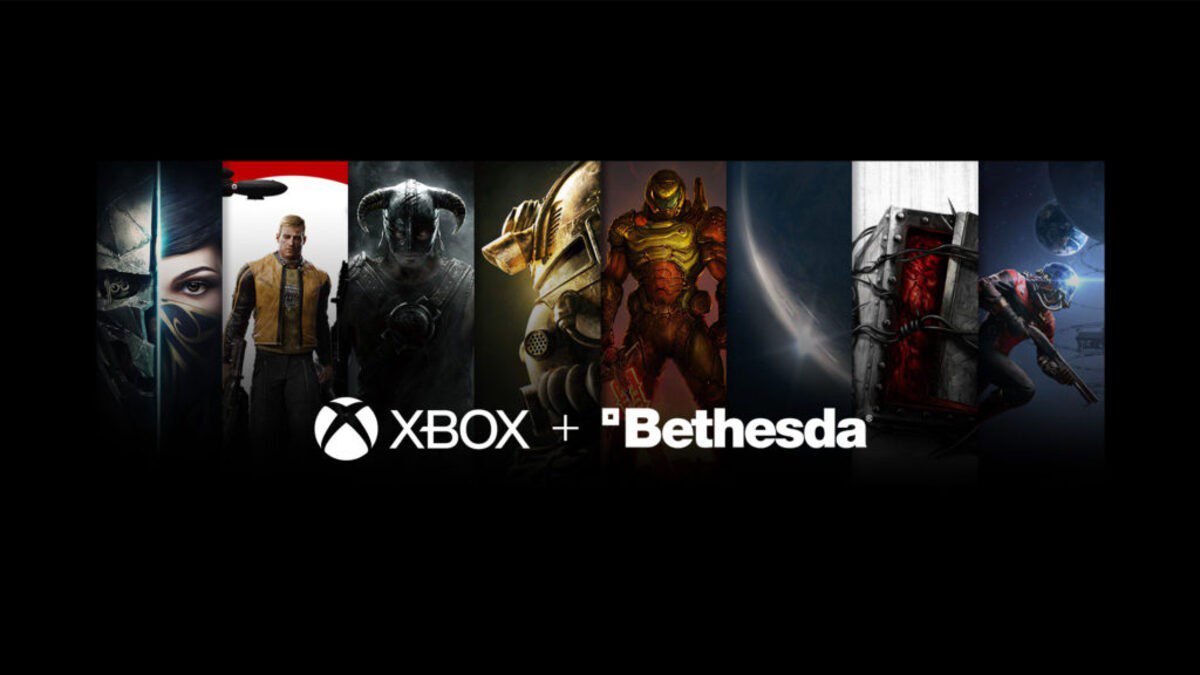
On July 17, 2026, Bethesda Game Studios broke its silence. After weeks of rumor‑swirling and morale‑shaking layoffs across Xbox — layoffs that hit Bethesda, Arkane, id Software, and Obsidian with unprecedented force — the studio released a sweeping statement outlining the future of its worlds. In the summary of news coverage paints a picture of a company stabilizing itself after a seismic corporate shock, doubling down on its most bankable franchise, and quietly preparing for generational change at the top.
Fallout Becomes the Center of Gravity
The most immediate takeaway from Bethesda’s announcement is that Fallout is no longer just a franchise — it’s the studio’s lifeline. Bethesda confirms that Fallout 3 and Fallout: New Vegas are officially being remastered, ending years of speculation and giving fans the clearest sign yet that Bethesda is consolidating around familiar, profitable territory.
The remasters aren’t arriving alone. Obsidian, despite losing roughly a quarter of its staff in the July layoffs, is collaborating with Bethesda on a new Fallout game. The partnership is symbolic: two studios historically linked by New Vegas now find themselves rebuilding together after shared corporate turbulence.
But the most surprising reveal is Raven Rock, a full prequel to Fallout 3 launching inside Fallout 76 in 2027. Being describes it as a return to one of the most iconic locations in the franchise — the Enclave’s mountain fortress and the home of President Eden. The expansion is more than nostalgia; it’s Bethesda’s attempt to thicken Fallout 76’s world while keeping millions of active players engaged during a period when new flagship releases are still years away.
Fallout 5: The Long Road Ahead
The studio confirmed that Fallout 5 is in pre‑production, built on Creation Engine 3 — the same pipeline powering The Elder Scrolls VI. The announcement emphasizes that Fallout 5 remains a “long‑range destination,” a phrase that signals both ambition and delay. With TES6 still at least two years out, Fallout 5 is effectively a next‑generation project, something Bethesda is “playing every day” internally but nowhere near ready to show publicly.
The timing matters. Fallout’s resurgence in 2024–2026 — driven by the Amazon Prime series and renewed interest in the franchise — created demand Bethesda cannot immediately satisfy. The remasters and Raven Rock expansion are stopgaps, strategic bridges designed to keep the Fallout ecosystem alive while the studio rebuilds after layoffs and shifts its long‑term production pipeline.
Starfield: A Future, But Not a Priority
Also, Bethesda reaffirmed its commitment to Starfield, promising continued updates, expanded Settled Systems content, and new Starborn material in 2027. The phrasing is careful. Bethesda stresses that Starfield “remains an important part of our future,” but stops short of confirming a sequel.
This is the clearest sign yet that Starfield’s role has changed. Once positioned as Bethesda’s next decade‑defining universe, it now occupies a secondary lane — maintained, supported, but no longer the studio’s central identity. Fallout has reclaimed that throne.
The Elder Scrolls VI: The Slow March Continues
Todd Howard’s team remains focused on The Elder Scrolls VI, which continues development on Creation Engine 3. In a mix of honesty and misfortune, Bethesda notes that TES6 is still years away, with also reiterating its commitment but offering no new details.
TES6’s timeline directly shapes Fallout 5’s timeline. Howard has repeatedly stated that Fallout 5 will follow TES6, meaning the next mainline Fallout is likely a late‑decade release. The remasters and expansions announced this July are designed to fill that gap.
Todd Howard: The Retirement Question
The July layoffs, the restructuring of Bethesda’s pipeline, and the renewed focus on legacy franchises all point toward a studio preparing for leadership transition.
Howard’s statement — reflective, sweeping, almost valedictory — reads like a man setting the stage for the next era of Bethesda. The studio’s roadmap is built around long‑term projects that will outlive his tenure. The consolidation around Creation Engine 3, the collaboration with Obsidian, and the renewed emphasis on franchise stewardship all suggest a future where Howard’s role gradually shifts from hands‑on creative director to legacy overseer.
The Layoff Shadow: How July Still Shapes the Narrative
Across all the news regarding Bethesda and Xbox, the July layoffs loom large. Every announcement — from remasters to expansions to pipeline restructuring — is framed as part of a stabilization effort after a “brutal reset” that saw more than 3,000 employees cut across Xbox and Bethesda.
The layoffs explain:
- Why Obsidian is working on Fallout instead of Avowed 2 (they lost a quarter of their staff).
- Why Bethesda is leaning heavily on remasters — faster, safer projects during a rebuilding phase.
- Why Starfield’s future is framed cautiously.
- Why Fallout 76 is receiving major expansions to maintain engagement without requiring new AAA output.
- Why Bethesda’s messaging is unusually transparent: they need to reassure fans, investors, and employees simultaneously.
The July layoffs didn’t just disrupt development — they reshaped Bethesda’s entire strategic identity.
The Big Picture: A Studio Rebuilding Through Familiar Worlds
Bethesda’s July 2026 roadmap is both a promise and a confession. The promise is that Fallout, TES6, and Starfield will continue, evolve, and expand. The confession is that the studio is still recovering — structurally, creatively, and emotionally — from the layoffs that rattled its foundations.
Fallout 3 and New Vegas remasters, the Raven Rock expansion, Obsidian’s new Fallout project, Starfield’s continued updates, and the slow march toward TES6 and Fallout 5 are all pieces of a single strategy: stabilize the present, secure the future, and rebuild trust.
In the shadow of Microsoft’s layoffs, Bethesda is choosing familiarity over risk, legacy over experimentation, and long‑term worldbuilding over short‑term spectacle. It is a studio resetting itself — and Fallout is the anchor holding everything in place.