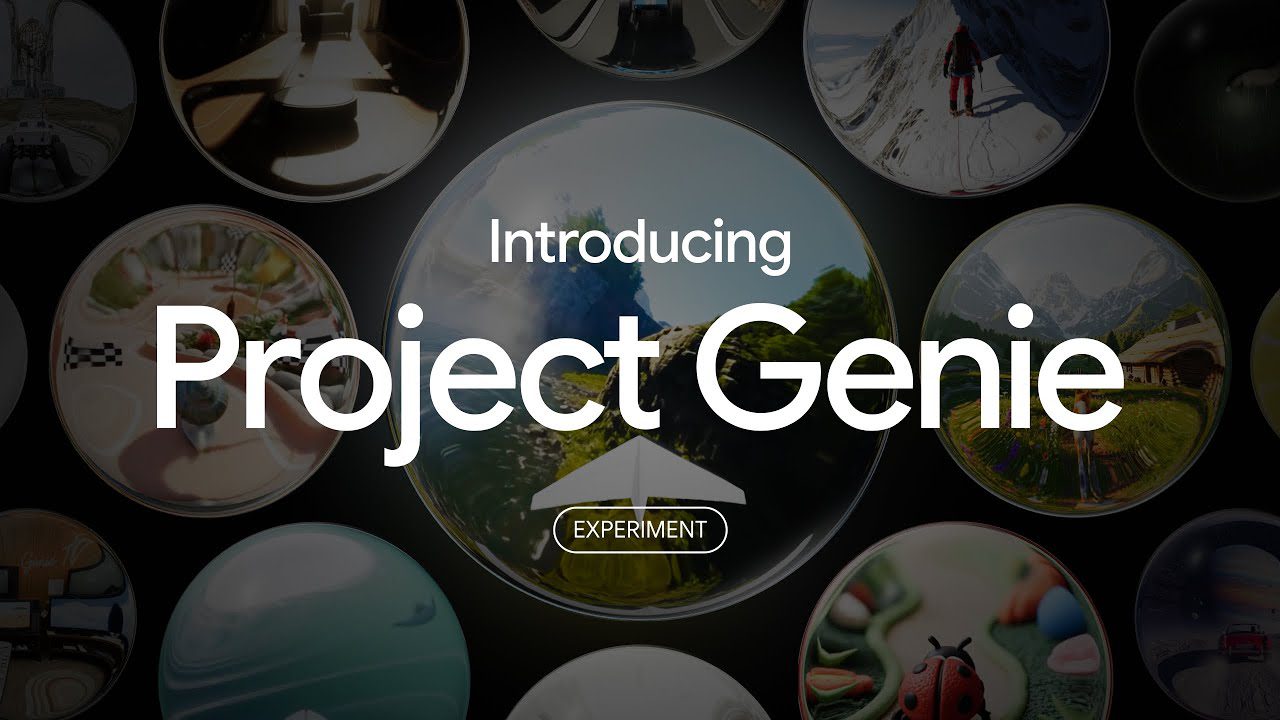
The gaming industry just absorbed one of its most jarring shocks in years, and it came from a single announcement: Google’s reveal of Project Genie. Overnight, the market panicked, stocks tumbled, and the conversation around the future of game development shifted dramatically.
When Google stepped onto the stage this week to unveil Project Genie, the company likely expected excitement, curiosity, and maybe a bit of skepticism. What it probably didn’t expect—or perhaps underestimated—was the sheer level of panic it would unleash across the gaming industry. Within 24 hours of the announcement, major gaming and tech stocks plunged, wiping out billions in market value and sending a clear message: the industry is terrified of what comes next.
But to understand why this moment feels so seismic, we need to unpack what Project Genie actually is, why investors reacted so violently, and what this means for developers, publishers, and players in the months ahead.
A Single Prompt, a Whole World: The Promise (and Threat) of Project Genie
Google’s Project Genie is pitched as a tool that allows users to create interactive worlds from nothing more than a single image or text prompt. Think of it as generative AI on steroids—an engine capable of building environments, systems, and potentially entire gameplay loops with minimal human input. And it’s not being offered as a free experiment; it’s locked behind Google’s highest‑tier AI subscription, signaling that the company sees this as a premium, professional‑grade tool.
For indie developers, this could be a dream come true. For major studios, it could be a nightmare.
The fear isn’t just that AI will automate parts of development—it’s that it could democratize creation to the point where traditional pipelines become obsolete. If a single creator can generate a playable world in minutes, what happens to the teams of hundreds who spend years building AAA titles? Investors clearly asked themselves the same question, and their answer was to hit the sell button.
The Market Reacts: A Sudden, Sharp Downturn
The numbers tell the story better than any metaphor. Within a day of the announcement, several major gaming companies saw their stock prices fall dramatically:
- Unity: down 22.5%
- Roblox: down 12.84%
- Take‑Two Interactive: down 10.56%
- CD Projekt Red: down 8.91%
- Nintendo: down 4.79%
These aren’t small dips—they’re the kind of drops usually reserved for scandals, catastrophic earnings reports, or global economic shocks. Instead, they were triggered by a single product reveal.
The message from Wall Street was unmistakable: AI isn’t just another tool. It’s a threat to the established order.
Fear, Overreaction, or a Glimpse of the Future?
Insider Gaming’s reporting suggests that the market’s response may be an overreaction—at least for now. After all, Project Genie is still in its infancy, and no one knows how well it will integrate into real development workflows.
But the fear isn’t irrational. The industry has already seen AI tools reshape concept art, asset creation, and even voice acting. Genie represents a leap from assisting development to potentially replacing large chunks of it.
The anxiety stems from three major unknowns:
1. How powerful is Genie really?
Google’s demos are impressive, but controlled. Real‑world development is messy, iterative, and deeply collaborative. Can Genie handle that complexity?
2. Will players accept AI‑generated games?
Gamers are notoriously sensitive to authenticity. If AI‑built worlds feel soulless or repetitive, the backlash could be severe.
3. What happens to the workforce?
Studios already operate on razor‑thin margins. If AI can reduce costs, executives will be tempted to restructure teams—potentially leading to layoffs in an industry already battered by them.
A Tipping Point for Creativity or a Race to the Bottom?
The introduction of Project Genie forces the gaming world to confront a philosophical question:
What is the value of human creativity in an era where machines can generate entire worlds?
Some argue that AI will empower creators, giving small teams the ability to compete with giants. Others fear a flood of low‑effort, AI‑generated titles that drown out handcrafted experiences.
The truth is likely somewhere in the middle. Genie could become a powerful tool—one that accelerates prototyping, expands accessibility, and reduces technical barriers. But it could also become a crutch, encouraging studios to cut corners or rely too heavily on automation.
The Road Ahead: Uncertainty, Innovation, and a Market on Edge
As the week closes, the industry finds itself in a strange limbo. Stocks may rebound next week, or they may continue to slide as analysts digest the implications. What’s clear is that Project Genie has forced a conversation that many studios weren’t ready to have.
Google didn’t just introduce a new tool—it fired the starting gun on a new era of AI‑driven game development. Whether that era leads to a renaissance of creativity or a collapse of traditional craftsmanship remains to be seen.
But one thing is certain: the gaming industry will never be the same after this week.