Bobby Prince’s passing at 81 marks the end of an era—not just for id Software’s early shooters, but for an entire subculture of players who learned to feel games through sound. His death on June 16, 2026, confirmed by his family, closes the chapter on one of gaming’s most influential yet soft‑spoken architects of atmosphere.
🎵 The Man Who Taught Games to Breathe
Bobby Prince—Robert Caskin Prince III—was never meant to be a game composer. Before he ever touched a MIDI tracker, he served as a platoon leader in Vietnam, practiced law, and worked in counseling. His path into game audio began only in the early ’90s, when id Software and Apogee were still scrappy shareware pioneers.
Yet once he arrived, he changed everything.
Prince’s work on Commander Keen, Wolfenstein 3D, Doom, Doom II, and Duke Nukem 3D didn’t just accompany gameplay—they defined it. His riffs, eerie pads, and punchy sound effects became the emotional scaffolding of the first-person shooter. George Broussard famously called him “the Hans Zimmer of early shareware games,” a comparison that feels even more fitting in hindsight.
Just weeks before his passing, the Library of Congress inducted the original Doom soundtrack into the National Recording Registry, cementing it as a cultural artifact of American history.
🔥 How Prince Built the Sound of Hell
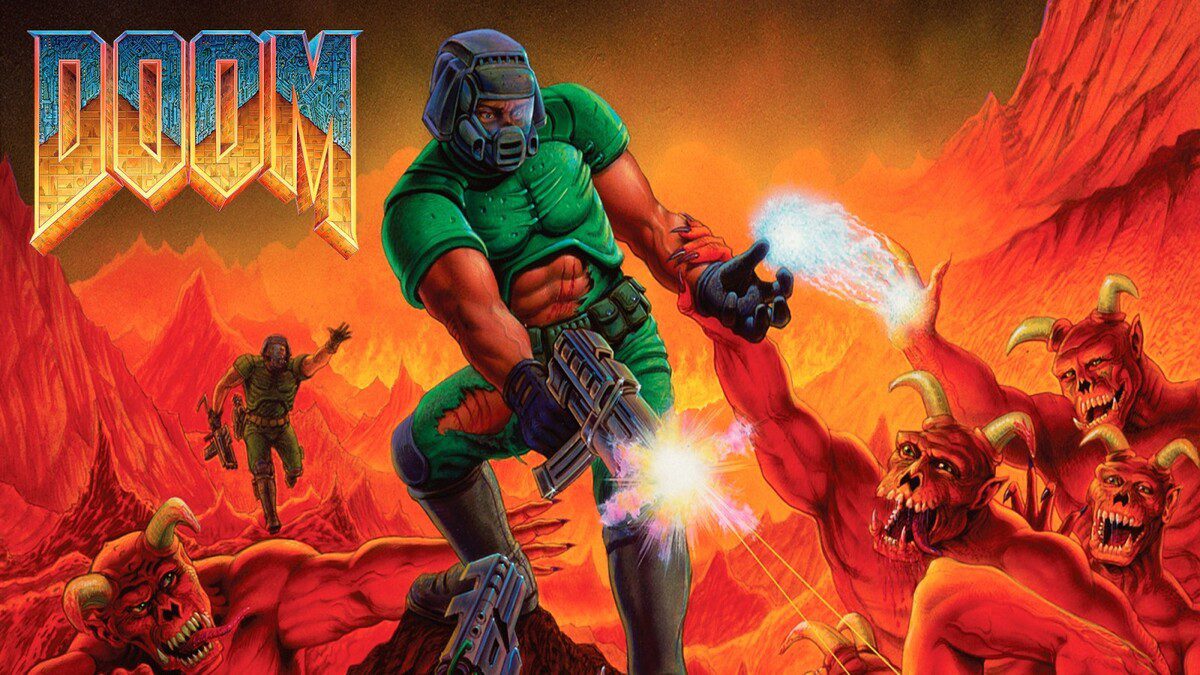
Prince composed Doom’s music largely off-site, guided not by in‑studio collaboration but by Tom Hall’s Doom Bible—a design document that set the emotional tone long before the game took shape. Within months, he had roughed out most of the tracks and sound effects that would become synonymous with demon‑slaying adrenaline. Tbreak
His approach blended heavy metal influences—Pantera, Metallica, Alice in Chains—with the constraints of early PC hardware. MIDI wasn’t a limitation for him; it was a canvas. He assigned sound effects to specific MIDI frequencies so they could cut through the music, a technique that helped Doom’s shotgun blast become one of the most iconic sounds in gaming. IGN
Tracks like “At Doom’s Gate”, “E1M1: Hangar”, “Dark Halls”, and “Suspense” became instant classics, endlessly remixed, covered, and referenced for more than three decades. Many players credit Prince’s music with introducing them to heavy metal in the first place.
🎧 The Subculture He Sparked
Prince didn’t just score games—he helped create a community.
By the late ’90s and early 2000s, Doom’s soundtrack had become a foundational text for a growing subculture of gaming music fans. MIDI covers, metal remixes, fan-arranged albums, and YouTube tributes proliferated. Long before “video game music concerts” became mainstream, Prince’s compositions were already being treated like underground classics.
Players traded WAD files containing custom music, debated which tracks were inspired by which metal bands, and formed early internet communities around the shared language of Doom riffs. His melodies became memes, warm nostalgia triggers, and even gateways to musicianship—many fans say his work inspired them to pick up guitars or learn composition.
Prince’s influence also shaped the modern game‑music scene. Composers like Andrew Hulshult, who worked on Doom Eternal, publicly credited Prince for his support and inspiration.
❤️ A Legacy Beyond the Music
Those who knew Prince personally describe him as humble, kind, and endlessly encouraging. His obituary highlights his generosity, humor, and deep love for family. He spent his later years in Tennessee with his wife Connie, creating music, stories, and videos together—a quieter but equally creative chapter of his life. Legacy.com
John Romero, George Broussard, and countless fans shared tributes after his passing, emphasizing not just his technical brilliance but his warmth. “He made songs that defined a generation,” wrote one fan. Another said, “His music was the soundtrack to my childhood.”
🕯️ The Final Note
Bobby Prince’s death feels monumental because his work wasn’t just heard—it was lived. His music pulsed through CRT monitors, LAN parties, basement PCs, and the imaginations of millions of players who didn’t yet have the language to describe why games felt so alive.
He gave early PC gaming its heartbeat.
And that heartbeat will echo forever.