For more than two decades, Xbox has lived in a constant state of reinvention. It has been the scrappy challenger, the hardware innovator, the ecosystem visionary, the studio collector, and—depending on the year—the company that either “gets it” or “lost the plot.” But in 2026, the brand finds itself in a moment unlike any other. Not a console transition, not a leadership change, not a pivot in strategy. Something deeper. Something structural. Something that feels like the end of one era and the uneasy birth of another.
The past few weeks have been a storm of short statements, anonymous sources, internal memos, and reports from multiple gaming outlets. None of them alone confirm a catastrophe. But together, they form a pattern that is impossible to dismiss. The Xbox division is preparing for a seismic shift—one that could reshape its studio lineup, its creative identity, and its long‑term ambitions.
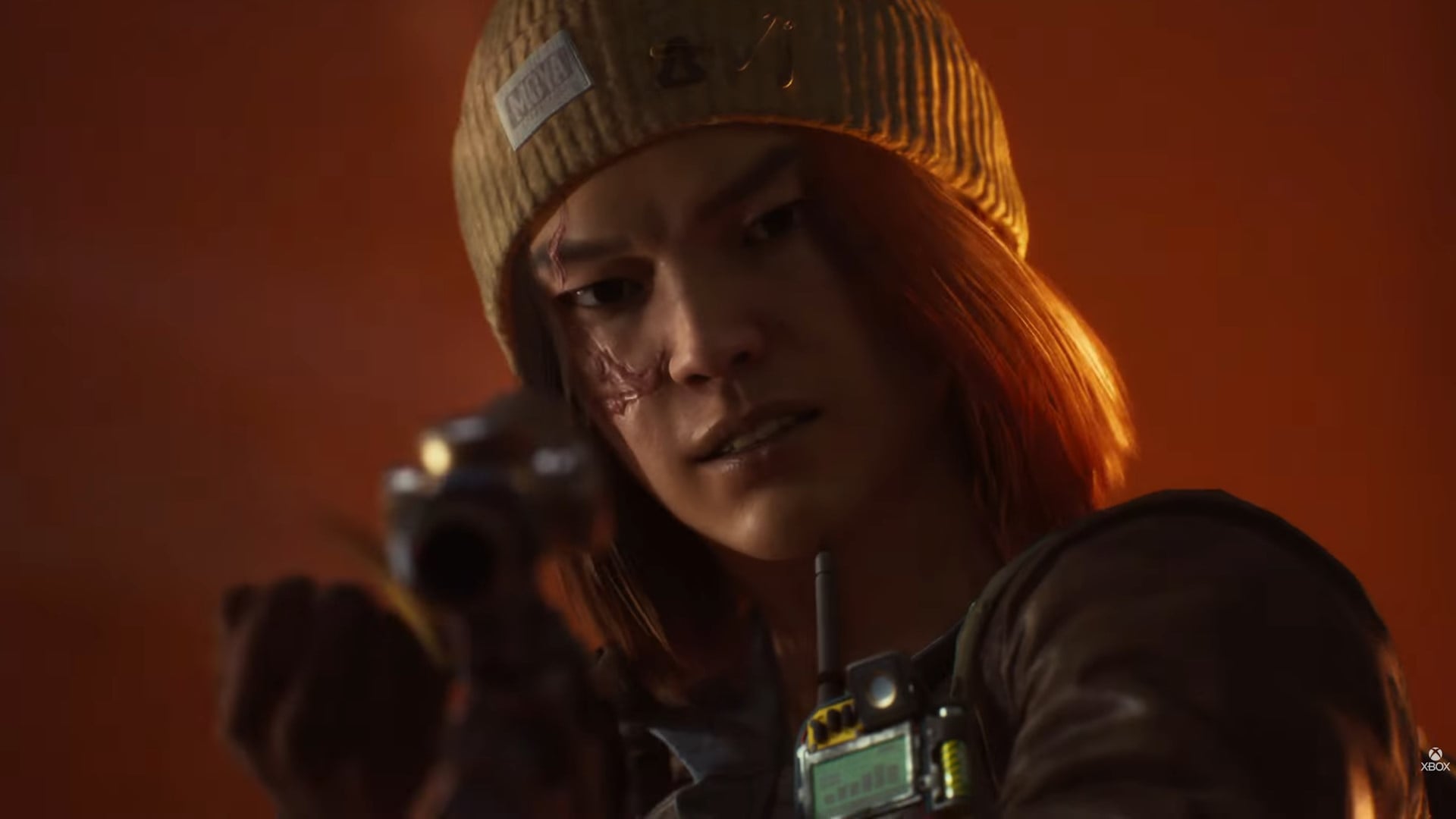
The first tremor came from Games Beat’s report that Undead Labs, the studio behind State of Decay, could be shut down if Microsoft fails to find a buyer. The article described a scenario where more than one hundred employees might lose their jobs, and where State of Decay 3—a game that took six years to show gameplay—sits at the center of a studio fighting for survival. The Showcase reveal should have been a celebration. Instead, it became a haunting reminder of how fragile the studio’s position has become. Microsoft declined to comment, and the silence felt louder than any denial.
Shortly after, Jason Schreier suggested Xbox was ending contracts with third‑party vendors ahead of broader layoffs. Assembly, a PR firm long associated with Xbox, was cited as an example. Assembly later clarified that its layoffs were internal and not caused by Microsoft, but the narrative had already taken shape. In an environment filled with rumors, even corrections feel like damage control. The public perception hardened: Xbox is cutting anything that isn’t mission‑critical.
Then came the report that shook the industry. Insider Gaming published a story stating that Arkane Austin—the studio behind Prey and Redfall—was at risk of closure, and that its upcoming Blade project might be canceled. The article described Microsoft as evaluating “all options,” including shutting the studio down entirely. The Verge later added that at least five studios were being reviewed: Arkane Austin, Undead Labs, Double Fine, Ninja Theory, and Compulsion Games. The estimated number of layoffs could exceed one thousand employees, making this the largest workforce reduction in Xbox history.
The implications are staggering. Arkane Austin is not just another studio—it is part of the creative lineage that defined immersive sims, a genre that has shaped modern game design. The idea that Blade, a high‑profile licensed project, could be canceled before release speaks to a deeper shift inside Microsoft: a willingness to cut even prestige projects if they no longer fit the strategic vision.
The pattern continued with IO Interactive, which confirmed layoffs following the end of its partnership on Project Fantasy. While IO did not name Microsoft, Insider Gaming previously reported that Xbox was the external partner funding the project. IO stated that the game remains in development, but the breakup signals a shift in Microsoft’s appetite for long‑term experimental investments. The company’s official statement was diplomatic—“We are taking a new approach to where we invest”—but the subtext was unmistakable. Even healthy projects are vulnerable if they fall outside the new priorities.
And yet, in the middle of this turmoil, one project stands untouched: Hideo Kojima’s OD. According to IGN and Insider Gaming, the game is “safe” from the planned cuts and continues development without disruption. It’s a strange contrast. While legacy studios face existential threats, one of the most mysterious and experimental projects in the industry remains protected. The explanation offered is that Xbox is not reducing its overall investment in games, but rather reallocating resources toward “higher‑priority” initiatives. OD, with Kojima’s name and its cloud‑native ambitions, appears to be one of those priorities.
Microsoft reinforced this message in another Insider Gaming report, stating that despite looming cuts, the company is “not reducing games investment.” Instead, it is shifting focus toward projects that align with its long‑term strategy. The statement is technically reassuring—investment remains stable—but emotionally hollow. When a company says it’s not spending less, only spending differently, it usually means some teams are already standing on the trapdoor.
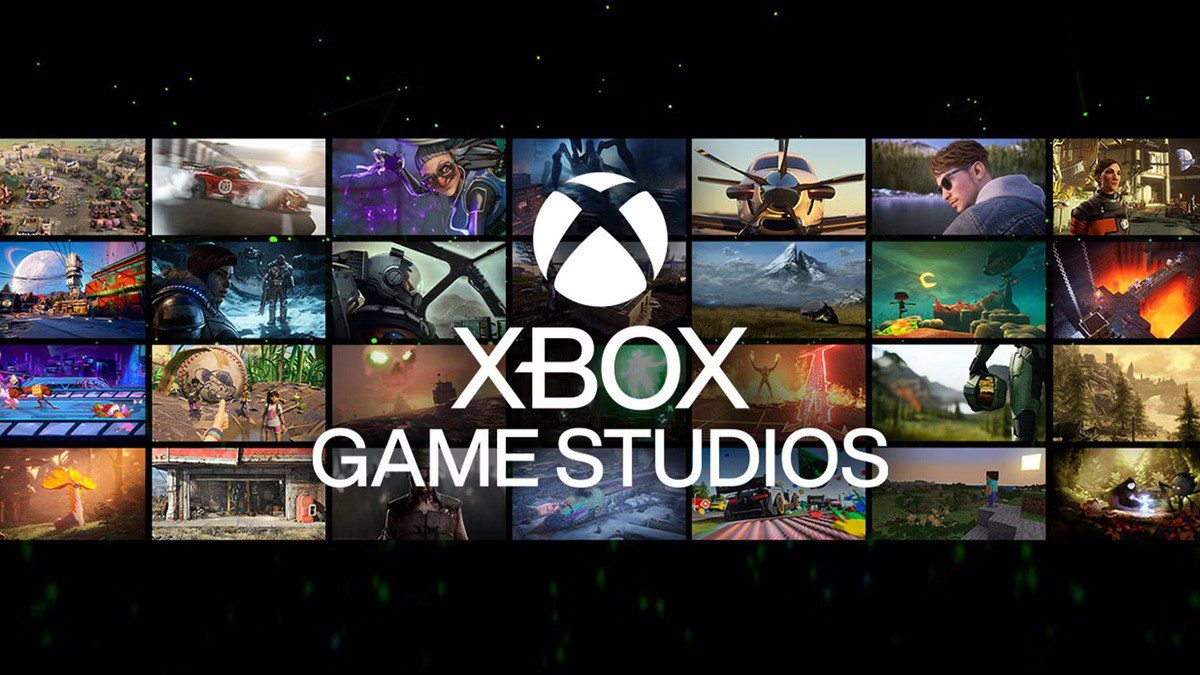
To understand the weight of this moment, you have to look back at Xbox’s last decade. The acquisitions of Mojang, Obsidian, Ninja Theory, Double Fine, Bethesda, and Activision Blizzard were framed as the foundation of a new era—an era where Xbox would finally have the first‑party pipeline to rival PlayStation and Nintendo. The promise was simple: more studios, more games, more variety, more output. But acquisitions are only the beginning. Integration is the real battle. And integration is where Xbox has struggled.
Some studios thrived. Others stalled. Some projects ballooned. Others vanished. Some teams adapted to Microsoft’s structure. Others drowned in it. And now, in 2026, the bill for that era of expansion appears to be coming due.
The reports from unofficial channels do not describe a company in crisis. They describe a company recalibrating. A company deciding which studios fit the future and which do not. A company willing to make cuts that would have been unthinkable five years ago. A company that no longer believes “more studios” equals “more success.”
This is the crossroads. Xbox is choosing what it wants to be next.
The tragedy is that the human cost is enormous. Hundreds of developers face uncertainty. Beloved studios may disappear. Ambitious projects may never see daylight. And the players—those who believed in the promise of a revitalized Xbox—are left wondering what the brand will look like when the dust settles.
But the truth is that this moment is not just about layoffs or closures. It is about identity. Xbox is redefining itself. The question is whether the new identity will be smaller, sharper, and more focused—or whether it will be a retreat from the creative ambition that once made the brand feel like a home for bold ideas.
Right now, all we have are reports, rumors, and fragments of official statements. But the pattern is clear. The storm is real. And Xbox is changing.
Whether this change leads to a stronger future or a diminished one is a story still being written.