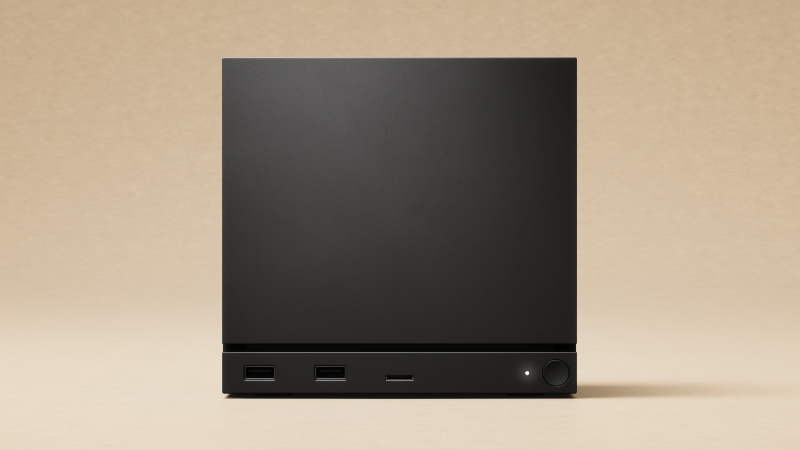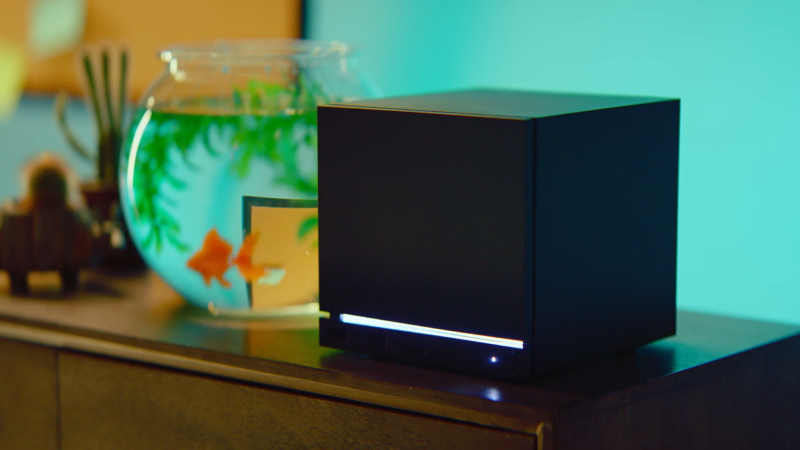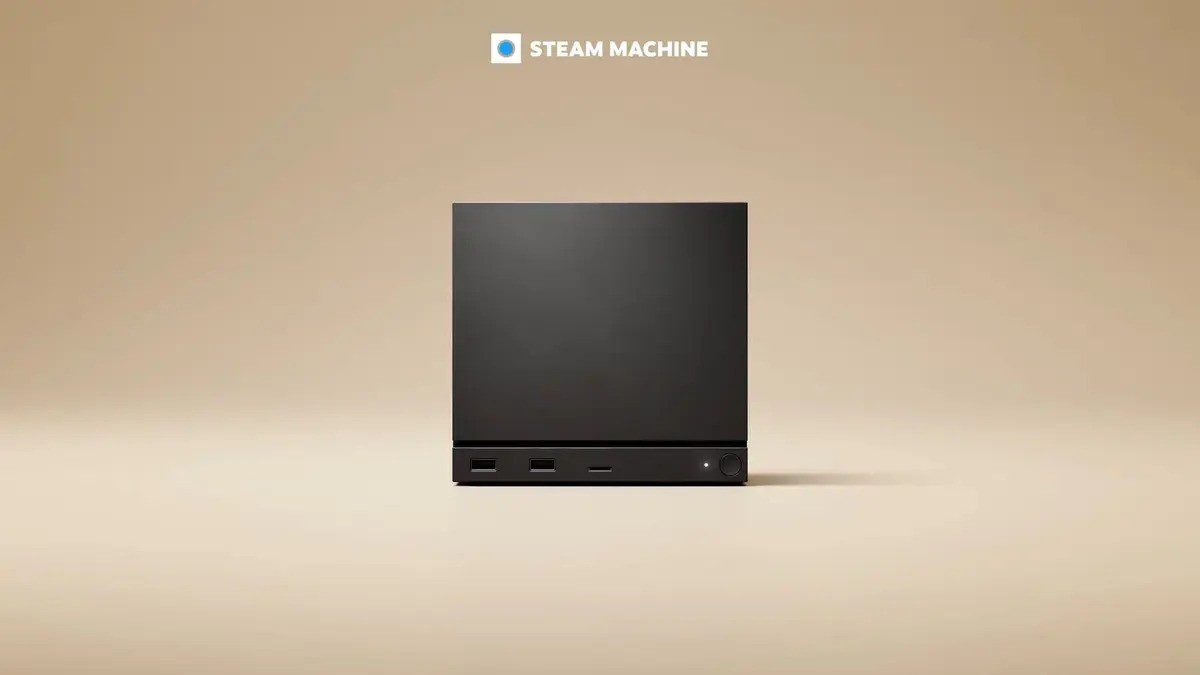
When Valve re‑introduced the Steam Machine in late 2025—nearly a decade after the first generation fizzled out—the company framed it as the culmination of lessons learned from SteamOS, Proton, and the runaway success of the Steam Deck. But behind the polished reveal and the sleek cube‑like chassis was a harsher truth: the Steam Machine was supposed to be much cheaper, and its final four‑figure price tag was the direct result of a global memory crisis that blindsided the entire hardware industry.
This is the story of how Valve rebuilt the Steam Machine, why it costs far more than intended, and how RAM shortages—driven by AI datacenter expansion—reshaped the device’s destiny.
A Second Attempt at the Living‑Room PC
Valve’s first Steam Machines (2015–2018) were ambitious but fragmented. Multiple third‑party vendors produced inconsistent hardware, SteamOS lacked maturity, and Linux gaming simply wasn’t ready. By 2018, the initiative quietly faded from the Steam Store.
The success of the Steam Deck changed everything. Proton matured, Linux compatibility soared, and millions of players proved willing to embrace Valve’s ecosystem. By 2025, Valve felt confident enough to try again—this time building the Steam Machine in‑house, with fixed specs and a unified design.
The new Steam Machine (codename Fremont) was announced on November 12, 2025, alongside a next‑gen Steam Controller and the Steam Frame VR headset. It was positioned as a compact, console‑like PC designed for big‑screen gaming, powered by a Zen 4 CPU, a semi‑custom AMD GPU, and 16GB of DDR5 RAM.
Valve’s Original Plan: A Much Cheaper Steam Machine
According to Valve’s own statements, the Steam Machine was never meant to start above $1,000. When development began in 2023, Valve believed it understood how component prices would trend—based on decades of PC hardware history, where parts typically get cheaper over time.
But that assumption collapsed.
Valve openly admitted that its original pricing goal was no longer viable because the cost of RAM and storage “changed quickly and significantly” during the final year of development.
Insider Gaming confirmed this, reporting that Valve had planned a lower price but was forced to raise it due to component costs.
The RAM Crisis: How AI Broke Valve’s Pricing Model
The biggest villain in the story is RAM—specifically, the global RAM shortage driven by AI datacenters.
Why RAM prices exploded
As AI adoption surged, hyperscale datacenters began consuming unprecedented amounts of DRAM. Each AI model query requires massive server clusters, and those servers require enormous quantities of memory. This demand spike caused RAM prices to skyrocket across the entire industry, affecting everything from GPUs to handhelds to consoles.
Valve confirmed that RAM and storage were the components hit hardest, and that there were periods where they couldn’t source certain parts at any price, directly limiting production volume.
Why the Steam Controller launched first
The Steam Controller shipped earlier because it doesn’t use RAM, allowing Valve to release something while the Steam Machine and Steam Frame were stuck behind memory shortages.
Internal pricing targets shattered
A known Valve insider reported that the Steam Machine was “affected the most” by RAM price spikes, while the Steam Frame was impacted but less severely.
The Final Price: A Four‑Figure Reality
When Valve finally revealed pricing, the numbers shocked many fans:
- 512GB model: $1,049
- 512GB + Controller: $1,128
- 2TB model: $1,349
- 2TB + Controller: $1,428
Valve emphasized that these prices reflect the real cost of components as secured over the previous six months—not the original target.
Digital Trends corroborated this, noting that RAM and storage “ruined the old plan,” forcing Valve to sell the Steam Machine at near‑cost rather than subsidizing it like a traditional console.
Could a Cheaper Steam Machine Still Happen?
A VICE report suggested that Valve might eventually release a bare‑bones $400 model—but only by removing RAM, SSD storage, and the Steam Controller from the box. This hypothetical edition would rely on users installing their own memory and storage.
Component breakdowns from insiders show why this is plausible:
- RAM cost: $48
- NVMe SSD: $30
- Total manufacturing cost without RAM/SSD: ~$347
But this model is speculative and not officially announced.
Availability Problems: Not Just Expensive—Scarce
RAM shortages didn’t just raise prices—they limited production. Valve admitted that at times it couldn’t source components “at all, at any price,” forcing a reservation system to prevent scalping and manage the tiny launch supply.
This scarcity mirrors the early Steam Deck era, but with even tighter constraints.
Why Valve Tried Again Anyway
Despite the setbacks, Valve believed the timing was right:
- SteamOS had matured dramatically thanks to Proton.
- Steam Deck users were already docking their handhelds for TV play.
- Demand for a living‑room PC experience had grown.
The new Steam Machine is Valve’s attempt to deliver a console‑like PC without the compromises of portability.
Conclusion: A Great Machine Born at the Worst Possible Time
The 2026 Steam Machine is a powerful, compact, console‑class PC designed for the living room. But it is also a victim of global economic forces far outside Valve’s control.
If RAM prices had behaved normally, the Steam Machine would have launched at a much lower price.
Instead, AI‑driven memory shortages forced Valve to raise prices, limit production, and abandon its original affordability goals.
The Steam Machine’s story is ultimately one of ambition colliding with reality—a reminder that even a company as influential as Valve is not immune to the volatility of global hardware supply chains.