For years, Project Mara lived in the shadows — a mysterious psychological experiment from Ninja Theory that promised a grounded, hyper‑real exploration of mental terror. It was never marketed as a blockbuster, never shown as a traditional game, and never intended to follow the studio’s usual formula. Instead, it was positioned as a research‑driven, intimate dive into the human mind, built on real accounts of psychological distress and the studio’s signature obsession with authenticity.
Now, that chapter has officially closed.
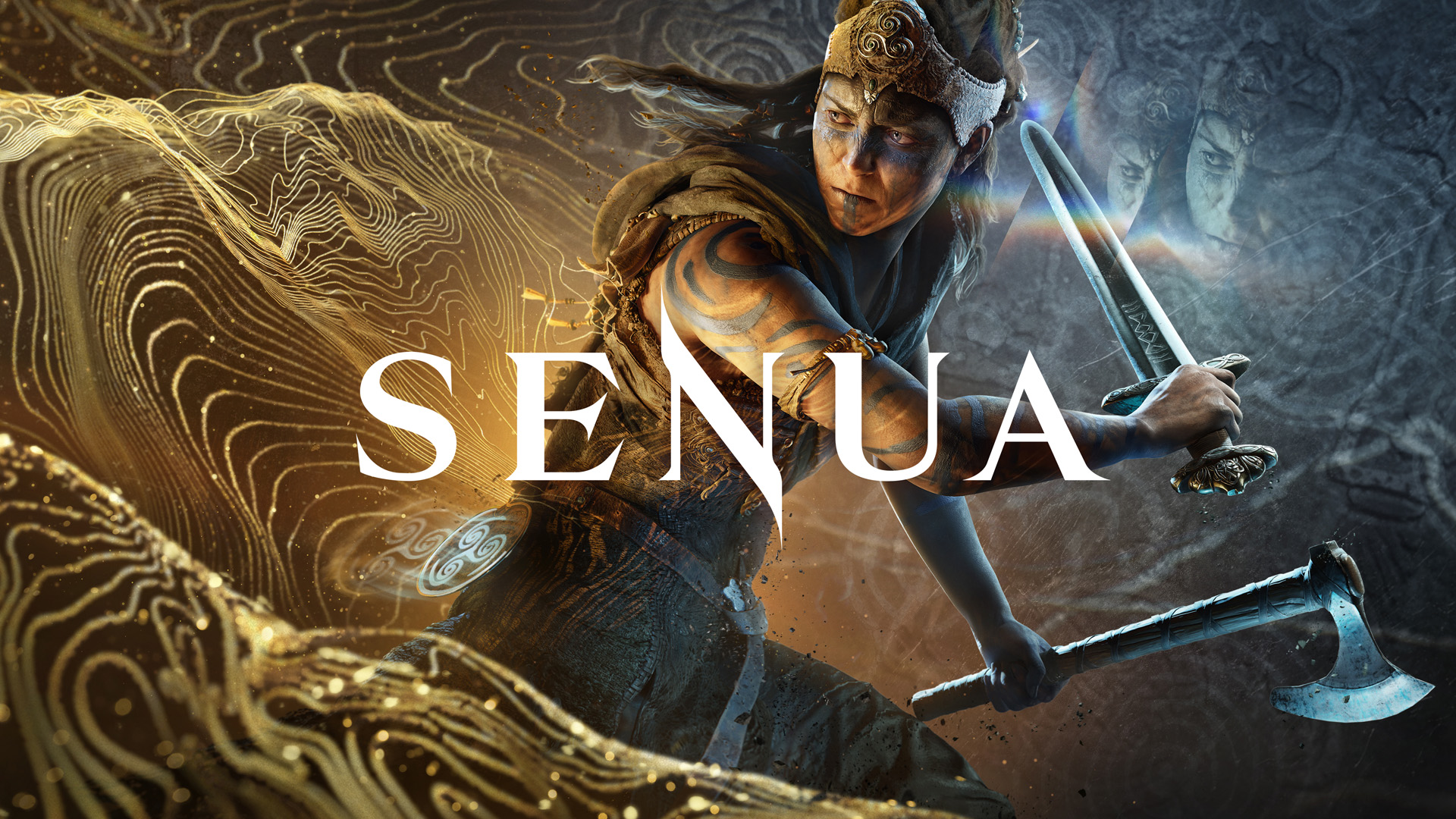
Studio head Dom Matthews confirmed that Project Mara has been cancelled, a decision made quietly behind the scenes and revealed only after the announcement of Senua, the third entry in the Hellblade franchise, during Summer Game Fest 2026.
Matthews didn’t frame the cancellation as a failure — but as a strategic consolidation. With the studio now fully committed to shaping the future of Senua’s story, he explained that the team needed to unify its creative force rather than split it across multiple experimental projects.
“I took the decision not to work on that any further… to have all the talent and expertise in the studio, all 85 creatives, working together to realise the potential of what Senua can be,” Matthews said.
It’s a rare moment of transparency from a studio known for its tight‑lipped development cycles. And it signals something important: Ninja Theory is betting everything on Senua.
The Rise and Quiet End of an Experiment
When Project Mara was announced in 2020, it immediately stood apart. Ninja Theory described it as an “experimental title” — a real‑world, grounded representation of mental terror, built from lived experiences and extensive research.
It wasn’t a traditional game. It was a psychological study wrapped in interactive form, a technical and narrative experiment meant to push the studio’s understanding of mental health storytelling even further than Hellblade: Senua’s Sacrifice had in 2017.
But as the years passed, the studio’s priorities shifted.
Bleeding Edge, their multiplayer project, ceased updates in 2021 so the team could focus on Hellblade and other internal efforts.
Then came Senua’s Saga: Hellblade II in 2024 — a cinematic, award‑nominated sequel that reaffirmed Ninja Theory’s identity as a studio dedicated to prestige, emotionally intense storytelling.
By the time work began on the third Hellblade title, the writing was on the wall: Ninja Theory no longer had the bandwidth for side experiments. Not when Senua’s journey had become the studio’s defining creative mission.
Why Senua Became the Priority
The Hellblade franchise has grown far beyond its indie‑sized origins.
The first game earned widespread acclaim for its portrayal of psychosis and won five BAFTA Awards.
Its sequel was nominated for eleven more, including Best British Game.
That kind of recognition reshapes a studio.
It creates expectations — from players, from critics, from Xbox Game Studios, and from the developers themselves.
Matthews’ decision reflects that pressure. With 85 creatives under one roof, Ninja Theory is choosing to focus its entire talent pool on a single, ambitious vision rather than splitting its attention between a flagship franchise and a psychological experiment with no guaranteed commercial return.
It’s a pragmatic move.
But it’s also a creative one.
Hellblade has become Ninja Theory’s identity — its artistic heartbeat. And if the studio wants the third entry to surpass the emotional and technical achievements of its predecessors, it needs every animator, every researcher, every sound designer, every performance‑capture specialist aligned toward the same goal.
What We Lose — and What We Gain
The cancellation of Project Mara closes the door on what could have been one of the industry’s most unique psychological explorations. Its promise — a realistic, research‑driven depiction of mental terror — was bold, risky, and deeply aligned with Ninja Theory’s ethos.
But its DNA won’t disappear.
The research, the techniques, the insights into mental health — all of it will inevitably bleed into Senua’s next chapter. Ninja Theory has always treated its projects as interconnected experiments, each one informing the next.
So while Project Mara will never see release, its spirit may live on in the franchise that made Ninja Theory a household name.
The Road Ahead
With Senua now officially in development, Ninja Theory enters a new era — one defined by focus, unity, and the pursuit of emotional storytelling at a scale few studios attempt.
The cancellation of Project Mara isn’t a retreat.
It’s a recalibration.
A studio choosing to put all its weight behind the story that changed its trajectory.
A team of 85 creatives aligning behind a singular vision.
And a franchise stepping into its most ambitious chapter yet.
Senua’s journey continues — and Ninja Theory is all in.