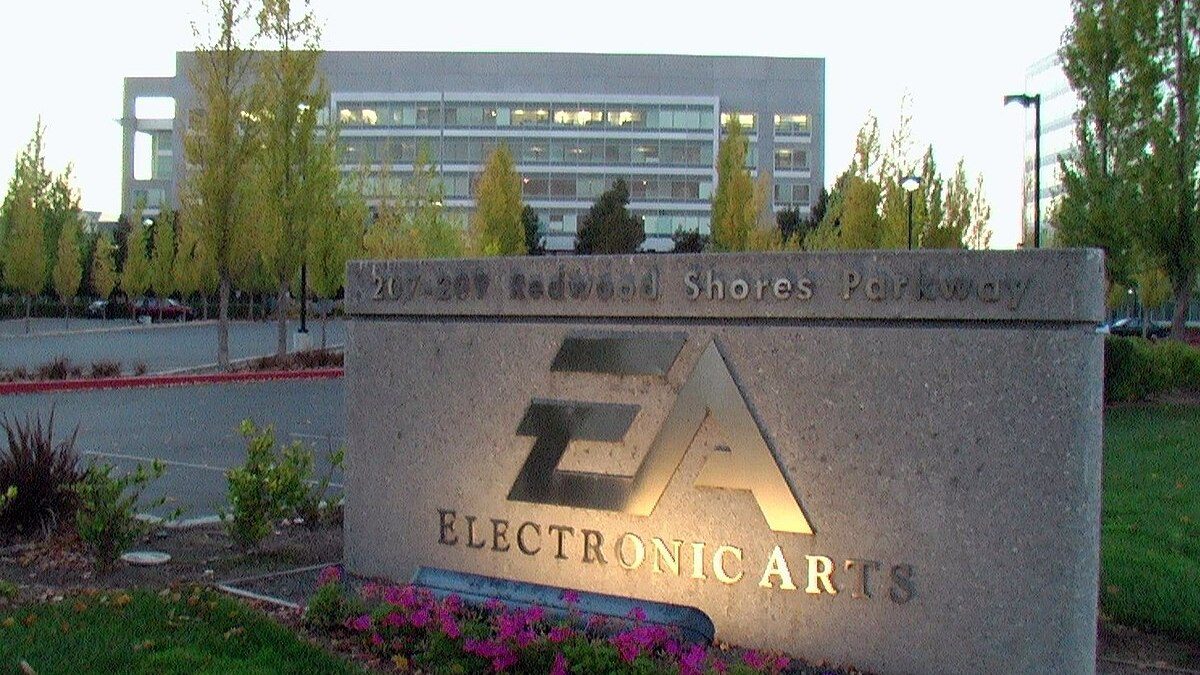
Electronic Arts has crossed one of the most consequential thresholds in its modern history. With regulatory approvals finalized and internal integration plans already underway, the company has officially completed its $5.5 billion acquisition — a figure that places the deal among the largest in the interactive entertainment sector since Microsoft’s purchase of Activision Blizzard. But the headline number is only the beginning. EA’s CEO has moved swiftly to announce a series of senior leadership changes that signal a deeper transformation inside the publisher, one aimed at redefining its creative identity and operational structure for the next decade.
The acquisition itself has been framed as a strategic expansion rather than a simple consolidation. EA has spent the last five years repositioning itself from a franchise-dependent powerhouse into a diversified entertainment ecosystem. The company’s leadership has repeatedly emphasized that the future of EA will be built on three pillars: global IP reach, cross-platform continuity, and long-term live service stability. The newly acquired entity — whose name EA has not yet foregrounded in public messaging — is expected to strengthen all three.
Movement Already
What stands out most is the speed at which EA’s CEO initiated leadership restructuring. Within hours of confirming the acquisition’s completion, the company outlined a new executive configuration designed to streamline decision-making and accelerate development pipelines. The CEO described the changes as “a necessary evolution,” a phrase that carries weight given EA’s history of internal reorganization. Over the last decade, EA has oscillated between centralized creative control and studio-level autonomy. This latest shift appears to be a hybrid model: a tighter executive core overseeing a wider constellation of semi-independent teams.
Industry analysts have noted that EA’s timing is deliberate. The global market is entering a period of consolidation fatigue, where major acquisitions are scrutinized not only for antitrust implications but for cultural and creative fallout. EA’s leadership changes seem engineered to avoid the pitfalls that have plagued other mergers — namely, the loss of studio identity, talent attrition, and fractured development pipelines. By restructuring early, EA is attempting to stabilize the foundation before the newly acquired teams are fully integrated.
The CEO’s announcement also reflects a broader philosophical shift. EA has spent years trying to shed the perception that it is a monolithic corporation disconnected from the creative communities that fuel its success. The new leadership slate includes executives with backgrounds in live service stewardship, global publishing, and long-term franchise incubation. It’s a lineup that suggests EA is preparing for a future where games are not just products but persistent worlds — worlds that require continuous narrative, technical, and community-driven evolution.
This acquisition arrives at a moment when EA’s portfolio is both secure and in flux. Apex Legends continues to anchor its live service strategy, while EA Sports remains one of the most reliable revenue engines in the industry. Yet the company has also faced challenges: shifting player expectations, increased competition in the shooter and sports markets, and the pressure to innovate without destabilizing its most profitable franchises. The newly acquired assets are expected to provide fresh creative bandwidth, new technological capabilities, and expanded global reach.
The Outlook?
What remains to be seen is how EA will balance integration with autonomy. The CEO’s restructuring hints at a future where EA’s central leadership sets strategic direction while individual studios maintain creative control. If executed well, this could become a model for modern game publishing — one that avoids the homogenization that often follows major acquisitions.
For now, EA stands at the threshold of a new era. A $5.5 billion acquisition is not just a financial transaction; it is a declaration of intent. With leadership realigned and a new creative ecosystem forming, EA is positioning itself for a decade defined by scale, ambition, and the relentless evolution of interactive entertainment. The industry will be watching closely, not just to see what EA builds next, but how it chooses to build it.