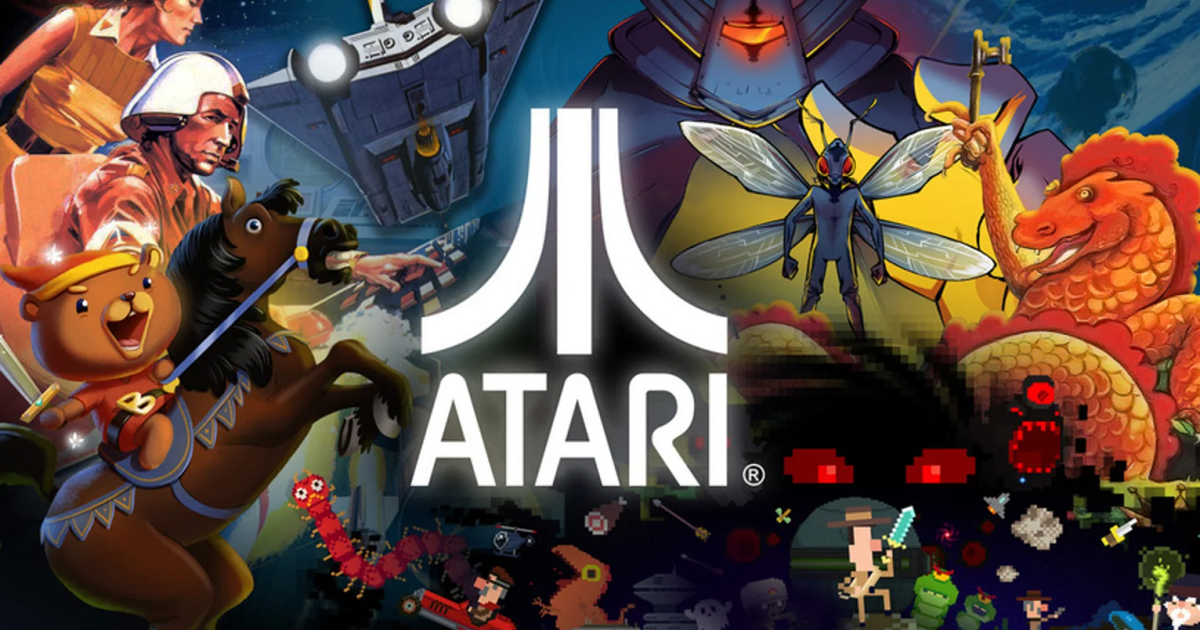
Atari entered 2024 with a familiar mix of nostalgia, ambition, and financial uncertainty. For decades, the company has lived in a strange duality: a brand synonymous with the birth of gaming, yet one that has struggled to define its place in the modern industry.
This latest financial disclosure captures that tension perfectly. On paper, Atari’s core business has finally clawed its way back to profitability. In practice, the consolidated group still finds itself dragged into a deep net loss—largely due to the troubled performance of Thunderful, the Swedish games group Atari acquired a significant stake in during its recent expansion push.
The headline number is stark: a €55 million net loss for the consolidated group. It’s the kind of figure that immediately overshadows any good news, and yet the good news is genuinely meaningful. Atari’s core operations—its games, licensing, and hardware initiatives—posted a profit for the first time in several cycles. For a company that has spent years rebuilding its identity, this return to profitability is more than symbolic. It signals that the strategy of leaning into retro gaming, boutique hardware, and carefully curated new titles is beginning to stabilize the business.
But Thunderful’s struggles are impossible to ignore. Once positioned as a promising European publisher with a diverse portfolio, Thunderful has instead become a financial sinkhole. The group has undergone restructuring, layoffs, and asset reevaluations, all of which have contributed to massive write-downs. Because Atari holds a controlling interest, Thunderful’s losses flow directly into Atari’s consolidated results, creating a financial picture that looks far more dire than the performance of Atari’s own operations would suggest.
This dynamic creates a strange narrative: Atari is doing better than it has in years, yet simultaneously reporting one of its largest losses in recent memory. It’s a corporate paradox, and one that raises difficult questions about the company’s long-term strategy. Was the Thunderful acquisition a miscalculation? Or is it simply a painful but temporary chapter in a broader plan to expand Atari’s footprint beyond its retro roots?
The company’s leadership has tried to frame the situation as the latter. They emphasize that Atari’s internal teams are executing well, that the brand’s evergreen appeal continues to generate licensing revenue, and that new projects—such as the Atari 2600+ and curated retro collections—are performing above expectations. In isolation, these efforts paint a picture of a company that has rediscovered its rhythm. But consolidation means no part of the business exists in isolation. Thunderful’s turbulence bleeds into everything.
What makes this moment particularly interesting is how it reflects the modern reality of legacy gaming brands. Nostalgia is powerful, but it is not enough to sustain a company indefinitely. Atari has spent years experimenting with ways to monetize its heritage without cheapening it: boutique hardware, limited-edition cartridges, partnerships with indie developers, and even ventures into blockchain-adjacent projects. Some of these experiments fizzled. Others quietly succeeded. The return to profitability in the core business suggests that Atari has finally found a formula that respects its past while generating real revenue.
Thunderful, meanwhile, represents the opposite: the volatility of contemporary mid-tier publishing. The European market has been hit hard by rising development costs, shifting consumer expectations, and the collapse of predictable revenue streams. Thunderful’s restructuring is not unique—it’s part of a broader contraction happening across AA studios worldwide. Atari’s misfortune is simply that it tied its financial fate to a company undergoing that contraction at full force.
Atari Earnings Highlights
- Core business returned to profitability, generating €3.4 million in operating profit, a sharp improvement from the prior year’s loss.
- Core revenue reached €12.5 million, driven by stronger performance in retro game collections, licensing, and hardware such as the Atari 2600+.
- Gross margins improved, reflecting better cost control and stronger sales mix across digital and physical retro products.
- Consolidated group posted a €55 million net loss, overshadowing the core business’s positive results.
- Thunderful generated €49 million in impairment losses, primarily due to restructuring, asset write-downs, and project cancellations.
- Thunderful’s operational losses further dragged down Atari’s consolidated financials, despite Atari’s internal profitability.
- Licensing revenue increased, supported by evergreen retro IP demand and new brand partnerships.
- Hardware initiatives exceeded expectations, with the Atari 2600+ contributing meaningfully to revenue growth.
- Digital game sales remained stable, with the Recharged series continuing to perform consistently across platforms.
The question now is whether Atari can maintain the momentum of its core revival long enough for Thunderful to stabilize. If Thunderful’s restructuring succeeds, Atari could emerge from this period with a stronger, more diversified portfolio. If it doesn’t, Atari may find itself forced to make difficult decisions about divestment, write-downs, or a strategic retreat back to its comfort zone.
For now, the story is one of contrast: a legacy brand proving it can still thrive, overshadowed by the weight of a modern publishing group fighting for survival. Atari’s return to profitability should have been a celebratory milestone. Instead, it feels like a quiet victory whispered beneath the roar of a €55 million loss.
Yet there is something undeniably Atari about this moment. The company has always lived at the intersection of triumph and turbulence. It helped invent an industry, collapsed spectacularly, reinvented itself, and now continues to navigate the unpredictable currents of modern gaming. Profit in the core business is a sign of life. Thunderful’s drag is a reminder of risk. Together, they form a portrait of a company still fighting—still adapting—still refusing to fade into the background of gaming history.
And maybe that’s the real takeaway: Atari is not done. Not yet. Not even close.