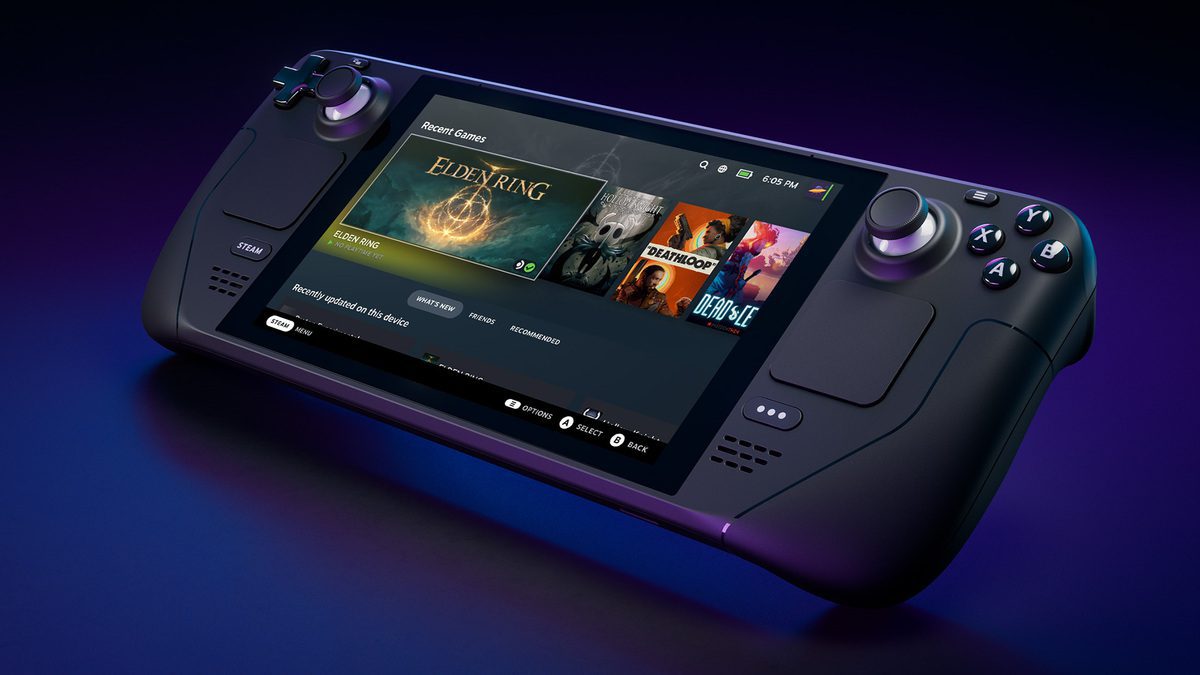
For years, NVIDIA’s CES keynotes have doubled as hype rallies for gamers—new GPUs, flashy demos, and performance charts designed to dominate headlines. But this year, something was different. Very different.
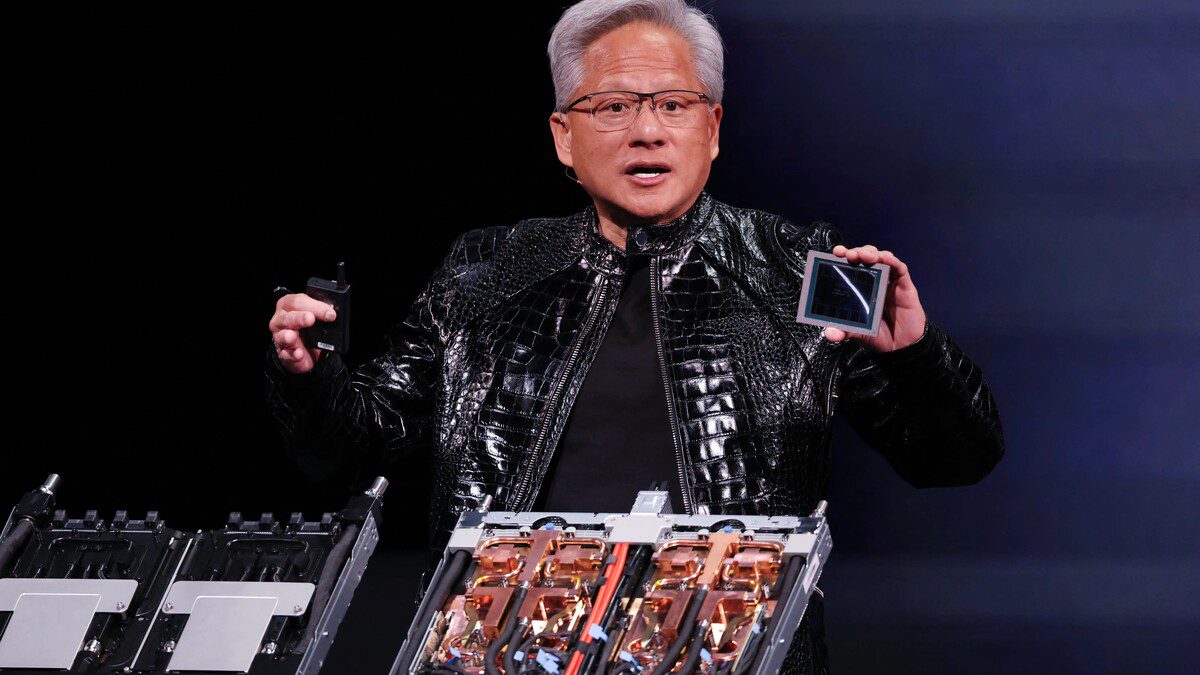
At CES 2026, CEO Jensen Huang delivered a keynote that barely mentioned gaming at all. Instead, he issued a stark warning: AI’s future is bottlenecked not by ideas, but by compute. And the rest of the presentation made one thing clear—NVIDIA is no longer positioning itself as a gaming company that does AI. It’s an AI infrastructure company that used to be known for gaming.
AI Takes Center Stage — And It’s Hungry
Huang’s message was blunt: the next generation of AI—reasoning models, agentic systems, and physical AI—demands compute at a scale the industry isn’t ready for.
He highlighted three major pressure points:
- Test‑time scaling: AI models now “think” step‑by‑step, consuming far more compute per task.
- Long‑context inference: Models process larger inputs and maintain memory over longer sessions.
- Agentic behavior: AI systems call tools, search, plan, and iterate—turning inference into a continuous workload.
This isn’t the kind of AI that runs on a gaming GPU. It’s the kind that runs on racks of tightly integrated systems.
From GPUs to Full AI Systems
One of the keynote’s biggest shifts was philosophical: NVIDIA is no longer selling chips. It’s selling complete AI platforms.
Huang described a future where GPUs, CPUs, networking, memory, and cooling are no longer separate components but one unified system, engineered together for maximum efficiency.
This is a strategic pivot with huge implications:
| Old NVIDIA | New NVIDIA |
|---|---|
| Sells GPUs | Sells full AI data‑center systems |
| Gaming-first messaging | Enterprise-first messaging |
| Focus on performance per chip | Focus on performance per watt, per rack, per data center |
| Consumer excitement | Corporate infrastructure planning |
Gaming wasn’t dismissed—it simply wasn’t relevant to the story NVIDIA wanted to tell.
Physical AI: The New Frontier
Another major theme was physical AI—robots, autonomous vehicles, industrial systems, and real‑world agents that must understand physics, environments, and human behavior.
To train these systems, NVIDIA is leaning heavily on:
- Large‑scale simulation
- Synthetic data generation
- Continuous inference loops
Huang described this as “turning compute into data,” using simulation to generate the rare scenarios robots and vehicles must learn to handle.
This is far removed from ray‑tracing demos or DLSS updates. It’s enterprise robotics, logistics, manufacturing, and transportation.
Gaming’s Absence Was the Message
The most striking part of the keynote wasn’t what Huang said—it was what he didn’t say.
No new GeForce cards.
No gaming benchmarks.
No flashy demos.
No RTX branding push.
For a CES keynote, that’s unprecedented.
Instead, NVIDIA framed itself as the backbone of the AI economy—an infrastructure provider for enterprises, governments, and industries preparing for a world where AI agents run continuously and physical AI becomes ubiquitous.
This is the NVIDIA that investors want.
This is the NVIDIA that data centers need.
This is the NVIDIA that sees trillion‑dollar opportunity in AI, not gaming.
A Strategic Silence
NVIDIA didn’t abandon gaming—it simply didn’t prioritize it. And that silence speaks volumes.
The company’s future growth isn’t coming from gamers upgrading GPUs every 3–5 years. It’s coming from:
- AI data centers
- Robotics
- Autonomous systems
- Enterprise software
- Simulation platforms
- Long‑running inference workloads
Gaming remains part of NVIDIA’s identity, but it’s no longer the center of gravity and at CES 2026, NVIDIA showed the world what it wants to be known for next—and it’s not GeForce.