For more than ten years, The Witcher 3: Wild Hunt has stood as one of gaming’s defining achievements — a sprawling, character‑driven epic that reshaped expectations for open‑world storytelling. Its expansions, Hearts of Stone and Blood and Wine, were celebrated as masterclasses in narrative design, the latter often described as a farewell worthy of Geralt of Rivia himself. Fans accepted that the White Wolf’s tale had reached its natural conclusion.
Then, in late May 2026, CD Projekt Red quietly disrupted that certainty.
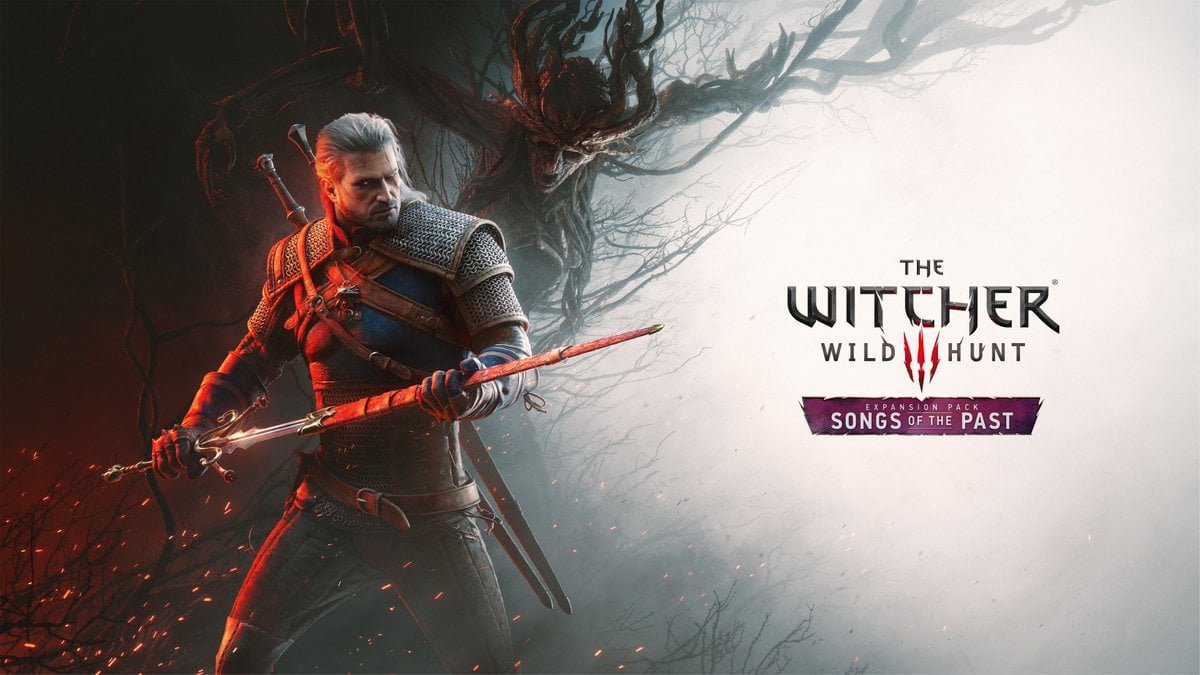
The studio announced The Witcher 3: Wild Hunt – Songs of the Past, a brand‑new expansion arriving in 2027 for PlayStation 5, Xbox Series X|S, and PC. The reveal landed with the force of a long‑buried secret finally unearthed. Geralt returns as the protagonist. The world of Wild Hunt opens once more. And the project is being co‑developed with Fool’s Theory, a team composed of developers who helped build the original game and are currently working on the remake of The Witcher 1.
The announcement came less than twenty‑four hours after CD Projekt revealed a special livestream celebrating the tenth anniversary of Blood and Wine. The timing was too deliberate to ignore. The studio invited fans back to Toussaint — the sun‑drenched duchy that once served as Geralt’s curtain call — for a nostalgic developer‑led journey. At the time, rumors were already circulating that a new DLC was in production. CD Projekt declined to comment, but the sudden celebration of Blood and Wine felt like a prelude. The next morning, the truth surfaced: the Witcher’s world was expanding again.
A Great Stop Awaiting For The Next The Witcher Game
This moment marks a significant shift in the franchise’s trajectory. CD Projekt is currently developing The Witcher 4 (codenamed Polaris), a full remake of the original Witcher, and a multiplayer project set in the same universe. Adding a third expansion to The Witcher 3 — a game released in 2015 — signals a renewed commitment to the world that made the studio a global name. It also reflects a strategic bridge between the present and the future. Polaris is still years away, and the remake is deep in production. Returning to Wild Hunt allows CD Projekt to re‑engage its audience with the character who defined the franchise while giving Fool’s Theory a chance to contribute to the series’ legacy in a meaningful way.
The title Songs of the Past carries its own weight. It suggests a story shaped by memory, by unresolved echoes, by the ghosts that follow a witcher long after the Path grows quiet. Geralt has always been a man haunted by history — his own and the Continent’s. The name hints at a narrative that may revisit old wounds, forgotten allies, or consequences left to time. With Fool’s Theory involved, known for its narrative craftsmanship and respect for Andrzej Sapkowski’s tone, expectations are already rising.
What makes this announcement remarkable is not simply that a new expansion exists, but that it exists for a game more than a decade old. Few titles in modern gaming maintain the cultural presence that The Witcher 3 still commands. It continues to sell millions, trend on streaming platforms, and attract new players through the Netflix adaptation and the 2022 next‑gen update. The world never truly went quiet. CD Projekt is now choosing to answer that lingering call.
As the anniversary livestream approaches and the studio prepares to share more details in late summer, the return of Geralt feels less like a revival and more like a homecoming. The Witcher’s path has always been winding, unpredictable, and shaped by forces beyond his control. Yet somehow, after all these years, it leads back to where players first fell in love with him.
Geralt’s story, it seems, still has one more song to sing.