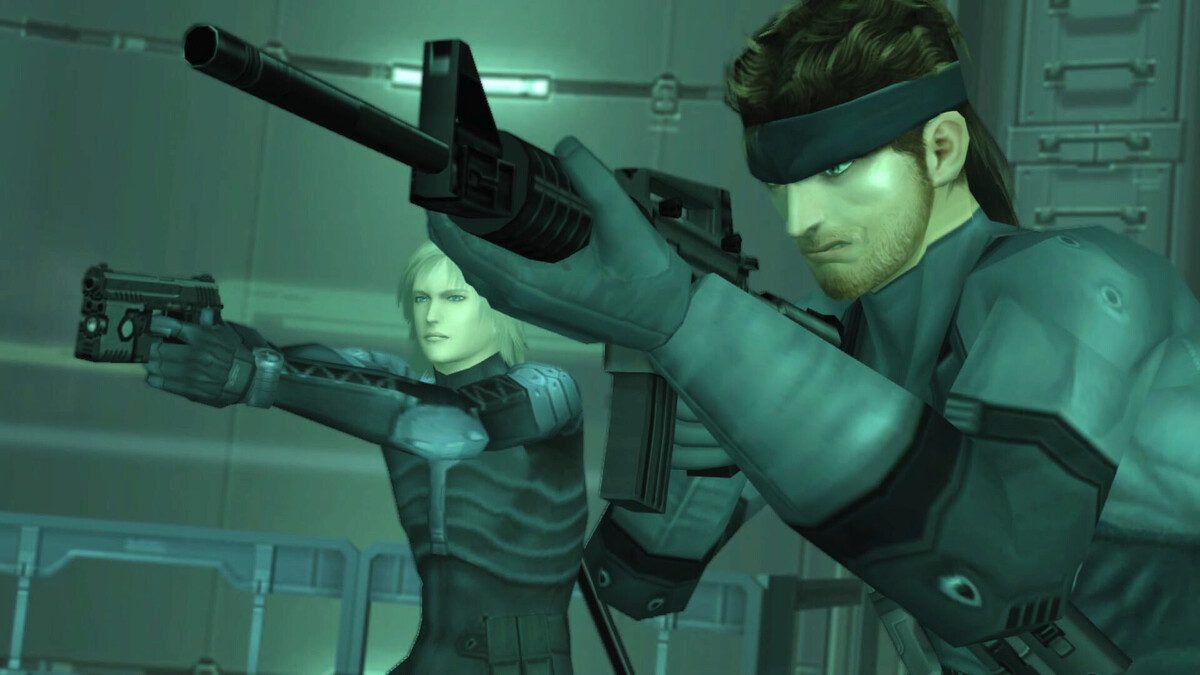
More than two decades after Metal Gear Solid 2: Sons of Liberty reshaped the stealth‑action genre, Konami now finds itself in a legal battle to uncover who leaked one of the most historically significant source code repositories in modern gaming. What began as a quiet, mysterious appearance of internal development files on 4chan and two file‑hosting sites has escalated into a full‑scale lawsuit—one that reaches back into the early 2000s, the HD Collection era, and even an unreleased Nintendo Wii port that fans never knew existed.
Konami’s complaint, filed June 2 in the U.S. District Court for the Central District of California, names pixeldrain.com, buzzheavier.com, and 4chan as platforms where the leaked materials were posted or linked. The company successfully requested takedowns, but the hosts have not provided identifying information about the original uploader. As a result, Konami is suing a set of unnamed “Does,” hoping the court will compel the platforms to reveal who was responsible.
According to the filing, the leak included unauthorized copies of the game’s source code, non‑public assets, internal development materials, and—most surprisingly—an unreleased build of Metal Gear Solid 2: Substance for the Nintendo Wii. Also included were multiple prototype versions of the game, early demos, and the original E3 trailer files. The timestamps on the leaked data point to 2007, suggesting the material may have originated from work done for the Metal Gear Solid HD Collection, which launched in 2011.
For a franchise with a legacy as meticulously curated as Metal Gear, the leak is more than a legal issue—it’s a cultural shockwave. To understand why Konami is pursuing this so aggressively, you have to understand what Metal Gear Solid 2 meant, how it was made, and why its internal files are so historically valuable.
The Backstory: How Metal Gear Solid 2 Became a Legend
When Metal Gear Solid 2: Sons of Liberty launched in 2001, it wasn’t just a sequel—it was a statement. Directed by Hideo Kojima, the game pushed the PlayStation 2 to its limits, delivering cinematic storytelling, advanced AI, and a narrative that would become eerily prophetic in the age of digital misinformation.
A Technological Showcase
Kojima Productions built MGS2 on a custom engine designed to simulate:
- Dynamic enemy patrols
- Real‑time physics interactions
- Complex lighting and shadow systems
- Environmental reactions like ice melting, bottles shattering, and guards tracking footprints
These systems were groundbreaking in 2001. The source code behind them is a treasure trove for historians, modders, and developers studying early 3D stealth design.
A Narrative Ahead of Its Time
MGS2’s story—about information control, digital manipulation, and the shaping of public perception—was dismissed by some critics at launch as convoluted. Two decades later, it reads like a warning about the algorithmic age.
The game’s infamous protagonist switch from Solid Snake to Raiden was one of the boldest narrative gambits in gaming history. Kojima hid this twist so effectively that even the marketing materials were part of the misdirection.
A Franchise at Its Peak
By the mid‑2000s, Metal Gear was one of Konami’s crown jewels. The company revisited MGS2 multiple times:
- Substance (expanded edition, 2002–2003)
- Metal Gear Solid HD Collection (2011)
- Legacy Collection re‑releases
The leaked files appear to originate from this era of remastering and archival work.
Why This Leak Matters So Much
1. Source Code Is the Holy Grail of Game Development
Unlike assets or demos, source code reveals:
- Internal tools
- Developer workflows
- Cut features
- Debugging systems
- Proprietary engine logic
For a game as influential as MGS2, this is equivalent to leaking the blueprints of a cultural artifact.
2. The Wii Port Is a Major Discovery
The existence of a Substance build for the Nintendo Wii—never announced, never teased—rewrites part of the franchise’s history. It suggests Konami once considered bringing the series to a Nintendo platform long before Metal Gear Solid: Master Collection Vol. 1 arrived on Switch.
3. Konami Wants to Reassert Control
The company has spent the last few years reviving the Metal Gear brand:
- Metal Gear Solid Δ: Snake Eater remake
- Master Collection releases
- Renewed licensing and merchandising
A massive leak undermines that effort and exposes internal materials that could complicate future remasters or ports.
The Legal Battle Ahead
Konami’s lawsuit is not about damages—at least not yet. It’s about identification. The company wants the court to force the hosting platforms to reveal:
- IP addresses
- Account information
- Upload logs
- Any metadata tied to the leak
Only then will Konami decide whether to pursue further legal action.
The case also raises broader questions:
- How should companies protect archival materials decades after release?
- What responsibility do file‑hosting sites have when dealing with legacy game leaks?
- How does the industry preserve history without exposing proprietary code?
For now, Konami is focused on one thing: finding the person—or people—who uploaded the files.
A Leak That Reopens Old Wounds and Old Mysteries
The irony is unmistakable: a game about the manipulation of digital information has itself become the center of a modern information breach. Fans are fascinated, archivists are conflicted, and Konami is furious.
What happens next will shape not only the future of the Metal Gear franchise, but also the ongoing debate about game preservation, corporate secrecy, and the value of source code in an industry still learning how to protect its past.