The shockwave began on Monday. By the time the sun set, 1,600 people across Xbox’s studios had lost their jobs. Another 1,600 are scheduled to follow before the fiscal year ends. What started as a corporate restructuring quickly revealed itself as something far more consequential — a tectonic shift that has fractured development pipelines, redirected entire franchises, and left some of gaming’s most storied studios fighting to preserve their identity.
In the days that followed, the stories emerging from ZeniMax, Bethesda, Obsidian, MachineGames, and id Software painted a picture of an industry caught in the middle of a storm it never saw coming.
ZeniMax: A Giant Forced to Shrink Into Its Biggest Shadows
Bloomberg’s reporting confirmed what many feared: ZeniMax is undergoing a “significant overhaul.” The directive is blunt — focus on the biggest franchises. Fallout. The Elder Scrolls. Doom. Wolfenstein. Everything else is now a question mark.
Starfield, once positioned as Xbox’s prestige sci-fi epic, wasn’t even mentioned.
MachineGames continues quietly building Wolfenstein 3, now paired with a full TV adaptation produced alongside the Fallout show team. The two projects are designed to complement each other, a transmedia strategy that Xbox leadership sees as essential for survival.
But the most dramatic blow landed at ZeniMax Online Studios. Reports claim half the Elder Scrolls Online team has been laid off, jeopardizing a twelve-year-old MMO that had just begun a renaissance. Only weeks ago, leadership spoke optimistically about new onboarding systems, revamped tutorials, and rising player counts. Now, the future of ESO hangs in limbo, its roadmap suddenly unstable.
Bethesda Game Studios: The Heartbeat of Elder Scrolls and Fallout Falters
Inside Bethesda Game Studios, morale has cratered. Developers speaking anonymously to IGN described fears that proprietary tools will be handed to cheaper contractors unfamiliar with the studio’s workflows — a shift that could delay The Elder Scrolls VI even further.
The game was already years behind expectations. Todd Howard admitted last year it was still “a long way off.” Jason Schreier now estimates at least two to three more years of development. If that timeline holds, Elder Scrolls VI may release nearly twenty years after Skyrim — a staggering gap for one of gaming’s most beloved universes.
Fallout 76 faces its own existential threat. One developer suggested updates may not be sustainable without an external studio stepping in, echoing the Double Eleven partnership from 2023. The team had plans for “years” of content, but those plans were made before the layoffs gutted their ranks.
Obsidian: A Studio Redirected by Force
Obsidian, too, was hit hard. At least 52 employees were let go, including veteran writer Jay Turner, who described the layoffs as “Microsoft sacrificial rituals.” His frustration reflects a broader sentiment: Obsidian wasn’t just trimmed — it was redirected.
The studio’s planned sequel to Avowed was canceled outright. Instead, Obsidian has been ordered to begin work on a new Fallout game, led by Josh Sawyer. The irony is sharp: Sawyer once worked on Fallout: Van Buren, the “real” Fallout 3 that Interplay canceled because executives never bothered to look at the demo. Now, decades later, he returns to the franchise under circumstances shaped by another corporate upheaval.
id Software: The Bloodbath No One Expected
If any studio symbolizes the brutality of this week, it’s id Software.
First came the number: 50% of the studio gone. Then came the stories — longtime developers blindsided, veterans with twenty-plus years suddenly out of work, and anonymous employees describing the cuts as a “bloodbath.”
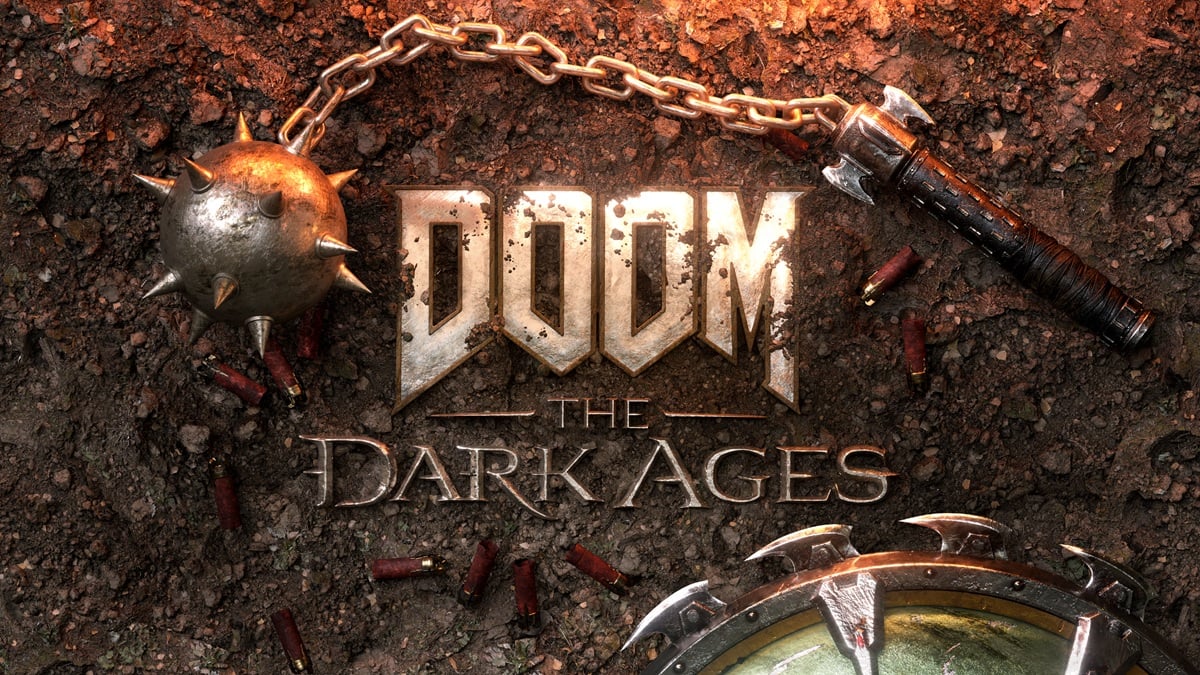
One developer said they were “completely burned out” after finishing DOOM: The Dark Ages’ DLC, only to be laid off days later. Another lamented that id, the pioneer of the FPS genre, had been reduced to “just another reorganization of assets.”
Texas Workforce Commission filings later confirmed the scale: 96 employees cut from id’s Richardson office, plus 40 remote workers tied to that location. In total, 136 people gone.
Yet work continues. Wolfenstein 3 moves forward. The Wolfenstein TV show remains in development. The DOOM: Dark Ages “Revelations” DLC launched this week as scheduled. The wheels keep turning, even as half the hands that built them are no longer there.
Minecraft: The Quiet Engine Behind the Chaos
A Bloomberg report revealed a surprising detail: Minecraft’s profits were once used to fund Xbox’s entire gaming portfolio. Mojang, despite being one of the most valuable assets under Microsoft’s gaming division, was considered “underutilized.” Now it reports directly to Xbox CEO Asha Sharma — a sign that the company is consolidating power around its most profitable pillars.
Fallout’s Past and Future Collide
As the present fractures, Fallout’s past resurfaced in unexpected ways. Journalist Jeff Gerstmann claimed he has “seen footage of a Fallout 3 Remake,” though he couldn’t confirm whether it was official or fan-made. The timing is uncanny — Obsidian is now working on a new Fallout game, and Bethesda’s own Fallout pipeline is strained by layoffs.
Meanwhile, the story of Fallout: Van Buren — the original Fallout 3 — reemerged through Josh Sawyer’s recollections. The game was canceled not because it was bad, but because Interplay executives simply never bothered to look at it. A haunting parallel to today’s upheaval, where decisions made far above the development floor reshape entire worlds.
Game Pass: The Growth That Never Came
Amid all this, The Wall Street Journal confirmed that Xbox Game Pass has stagnated at around 30 million subscribers, far below the 77 million projected for 2026 and nowhere near the 100 million goal set for 2030. The service hasn’t meaningfully grown in years.
For a company betting its future on subscription-based gaming, this stagnation is a crisis — one that undoubtedly contributed to the layoffs and restructuring now reshaping the entire Xbox ecosystem.
A Week That Will Be Remembered for Years
The layoffs that began early this week were not just a corporate event. They were a rewriting of the future of Western RPGs, first-person shooters, and some of the most iconic franchises ever created.
Elder Scrolls VI may be delayed. Fallout 76 may need external support. ESO’s future is uncertain. Avowed’s sequel is gone. Obsidian is reshaped. id Software is halved. ZeniMax is narrowed. Game Pass is stagnant. Minecraft becomes a financial pillar. Wolfenstein expands into television. Fallout 3’s ghost returns. And thousands of developers — the people who built these worlds — are left to pick up the pieces.
This wasn’t just a reset. It was a reckoning.